Department
Living
 Think Deeper
People who keep learning into their 60s and 70s may be reclaiming a self they once set aside for others
The cultural script calls it "keeping busy" or "staying sharp." The research describes something quieter: a meeting between an older adult and…
 Think Deeper
People born in the 1950s who downsize late in life may not be giving up — they're choosing what gets carried forward
The cardboard boxes lined up in the hallway aren't surrender — they're authorship, the kind of editorial pass over a life that…
 Think Deeper
People who rarely post or comment on social media may not have withdrawn from connection — they may have simply opted out of performing it.
While everyone else exhausts themselves curating their digital personas and chasing engagement metrics, the silent observers among us are developing something far…
 Think Deeper
People rarely talk about what is actually heavy about being in your 30s and 40s right now — the uneasy feeling of building a career while quietly suspecting the ladder might not be there in ten years.
We're the first generation raising families and building careers while simultaneously teaching ourselves skills that didn't exist five years ago, with no…
 Think Deeper
There's a version of late midlife where the craving shifts — not bigger experiences, but longer ones. The same walk repeated, the same chair, the same window, until the ordinary finally feels earned
As travel loses its appeal, a quieter version of fulfillment emerges: the power of repetition, routine, and finally belonging fully to a…
 Think Deeper
A Wednesday Afternoon Movie, a Parking Lot Cry, and the Forgotten Permission to Choose Something Just for Yourself
Solo activities don't have to earn their place in your life through productivity or circumstance—sometimes the most radical act is choosing something…
 Think Deeper
At 37, the friendships that seemed to be dying weren't lost — they were finished, and the quiet that followed wasn't loneliness but the first honest room since teenage years spent pretending to like everything everyone else liked
At 37, I discovered the terrifying quiet after my friendships faded wasn't emptiness – it was the sound of my real self…
 Think Deeper
People over 70 who watch hours of daily television are often filling the predictable schedule that work and family once occupied
When the morning alarm no longer matters and no one notices if you skip lunch, television schedules become the unexpected replacement for…
 Think Deeper
People raised in the 1980s may not be sentimental about mixtapes — they're remembering the last time attention was a gift that took hours to assemble for someone instead of a notification sent in seconds
The mixtape wasn't sentimental object — it was the last widely-practiced ritual where attention had to be earned through hours of physical…
 Think Deeper
The loneliest people may not be the ones who live alone — they're the ones in long marriages who stopped being witnessed
The category of 'single' was never about marital status — it was about whether someone in your life is still actually paying…
 Think Deeper
At 37, a decade-long happiness project ended — not from giving up, but from realizing that trying to be happy is like trying to fall asleep: the effort is the obstacle
Trying to be happy is like trying to fall asleep. The effort is the obstacle. The art isn't in the trying. It's…
 Think Deeper
There's a specific kind of conversation happening everywhere now where two people exchange feelings like trading cards, neither one actually receiving what the other handed over
Two people can sit across from each other for an hour, talk only about feelings, and walk away more alone than when…
 Think Deeper
The people who become genuinely better through hardship may not be the ones who stayed positive — they may be the ones who let it break something honest in them
The people who emerge truly transformed aren't those who rushed to rebuild or forced a smile through the pain—they're the ones who…
 Think Deeper
That fierce independence might not be freedom — it might be a quiet bet that nobody will show up
Independence often masks a quieter fear: that nobody will stay if we actually ask for help. What we call strength might just…
 Think Deeper
Some people don't talk much about their childhoods. It may not be because nothing happened — it may be because they've learned that explaining it usually costs more than carrying it alone.
Some people stay silent about their childhoods not from privacy, but from hard-won knowledge that speaking costs more than silence. What gets…
 Think Deeper
Some people who keep their phone face down at dinner may not be doing it to be polite. They may have noticed how much of their attention had been quietly stolen by people who barely knew they had it.
Awareness of phone addiction often doesn't translate to behavior change. But some people who flip their phones face-down at dinner are signaling…
 Think Deeper
There is a specific quality in people who rarely make their generosity visible — they give without the footnote, help without the follow-up, and disappear before the thank-you.
In a world where every good deed is hashtagged and humble-bragged, these rare individuals operate like benevolent ghosts — slipping twenty-dollar bills…
 Think Deeper
Why some people feel calmer in unfamiliar cities than in their own hometowns — and it usually has less to do with travel than with finally being unknown enough to think clearly
Moving through an unfamiliar city frees your mind in ways vacation time never could. The real shift isn't escaping obligations—it's escaping the…
 Think Deeper
Why some people can sit alone in a quiet house for hours and feel completely full, while others reach for their phone within ninety seconds of silence
The difference between people who crave silence and those who flee it isn't just introversion—it's a fundamental gap in how our brains…
 Think Deeper
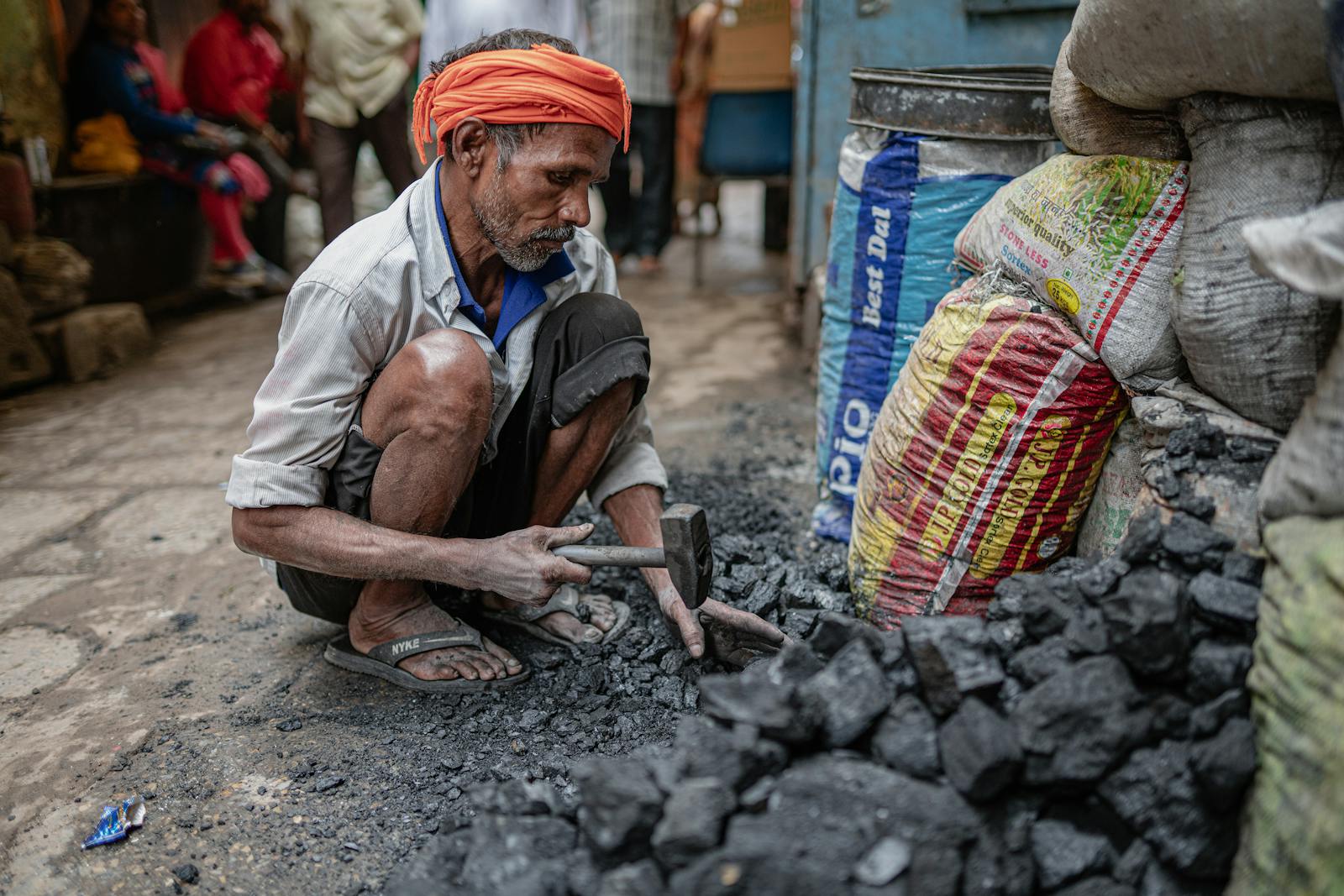
There's a particular kind of dignity in people who didn't have much but didn't make anyone feel it — and it usually becomes visible years later when you meet wealthy people who struggle to manage the same
Generosity isn't determined by wealth—some of the poorest people possess a grace and dignity that the richest struggle to match, treating others…
Page 7 of 15