
Singleness is a relational condition, not a legal one. The most isolated people observable across years of moving between cities — Melbourne, London, Bangkok, New York, Ho Chi Minh City and Singapore — aren't the ones eating dinner alone in studio apartments. They're the ones sitting across from a spouse of two decades who stopped being curious about them somewhere around the seventh year and never started again. The marriage kept going. The witnessing did not.
The conventional read on long marriages is that companionship accumulates. You sleep next to someone for fifteen thousand nights, you must know them. The unspoken assumption underneath every wedding toast is that proximity, given enough time, becomes intimacy on its own. It does not. Proximity becomes habit. Habit becomes logistics. And logistics, however efficient, is not the same as someone seeing you.
The loneliest people in modern life may be the ones who realised, usually sometime in their forties, often during a small undramatic moment like loading the dishwasher, that the person beside them stopped being a witness to their actual interior years ago. Not in a cruel way. Not because of an affair or a betrayal. Simply because attention is a renewable resource that nobody ever told them to keep renewing.
This idea crystallises when watching a recent reflection on the strange terror of letting someone truly see you inside a real relationship. The reflection talks about the fear that being known would cost the part of yourself that felt most alive. The drive, the creativity, the willingness to start things that might fail. That framing inverts the usual narrative: the danger of partnership isn't being trapped, it's being unseen by the person who's supposed to be looking.
Watch the way the speaker describes what changed when the relationship turned out to be a place where drive could be nurtured rather than negotiated against. The fear didn't disappear. It got reframed. The relationship became a platform rather than a cage. That distinction, platform versus cage, is the difference between a marriage where someone stays a witness and a marriage where they slowly become a roommate with shared tax obligations.
The architecture of being unseen
Most long marriages don't fail at the level of love. They fail at the level of attention. Somewhere in the middle years, two people stop asking each other genuinely curious questions. The questions that remain become functional. Did you pay the gas bill. What time is your mother arriving. Are we doing the thing on Saturday. These are the questions of a competent administrative partnership. They are not the questions that make a person feel real.
Psychology Today recently described this drift as the way married people can still feel profoundly alone even while sharing a bed, because the sense of belonging that buffers against loneliness depends on perceived emotional closeness, not on cohabitation. The body knows the difference. The body is not fooled by the address.
What erodes underneath is the accumulation of unwitnessed moments. The minor fears, the passing thoughts, the small daily observations that need somewhere to land. When there's nowhere to put them, they don't disappear. They calcify. They become a private interior nobody else has access to, and after enough years of that, a person can't quite remember how to give someone the key. They may not even be sure they still want to.
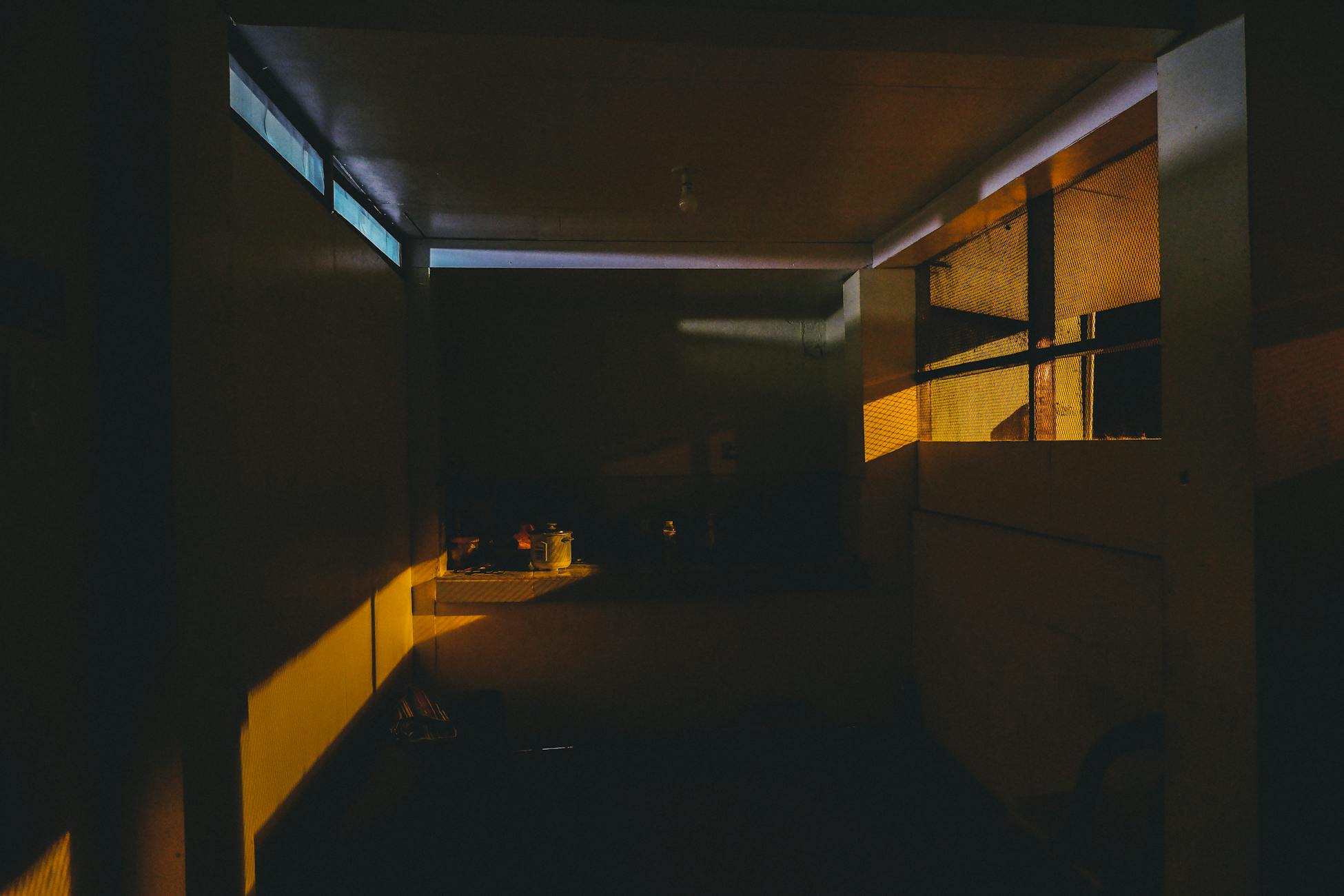
In the middle years, many long marriages reach a critical point
NPR ran a useful piece recently on maintaining emotional intimacy across decades, and the line that stands out most is the distinction between being comfortable and being close. Comfort is the byproduct of routine. Closeness is the byproduct of effort that doesn't look like effort. Most couples confuse the first for the second somewhere in the middle years, and the renewal of closeness quietly stops being something either of them is actually doing.
By then a particular kind of silence has set in. It's not hostile. It's not even unhappy, on most days. It's the silence of two people who have agreed, without ever saying so, to stop bringing each other their inner lives. He stops mentioning the article that made him cry on the train. She stops mentioning the dream that's been recurring since spring. Neither of them is hiding anything dramatic. They've simply learned that the small offerings don't get caught anymore, and after enough drops, you stop throwing.
This is the geometry of the loneliness at the heart of this pattern. Not absence. Withdrawal. A slow retreat of two interiors into separate rooms that happen to share a wall and a mortgage.
Why the single ones are often less lonely
Here's what unsettles people when it's said directly: a person living alone at 47 with three close friends and a regular dinner habit often has more witnesses to their actual life than a person who has been married for twenty years and stopped being interesting to their spouse around the time the second child started kindergarten. Psychology Today made this case in a piece arguing that THINK DEEPER

More in Think Deeper