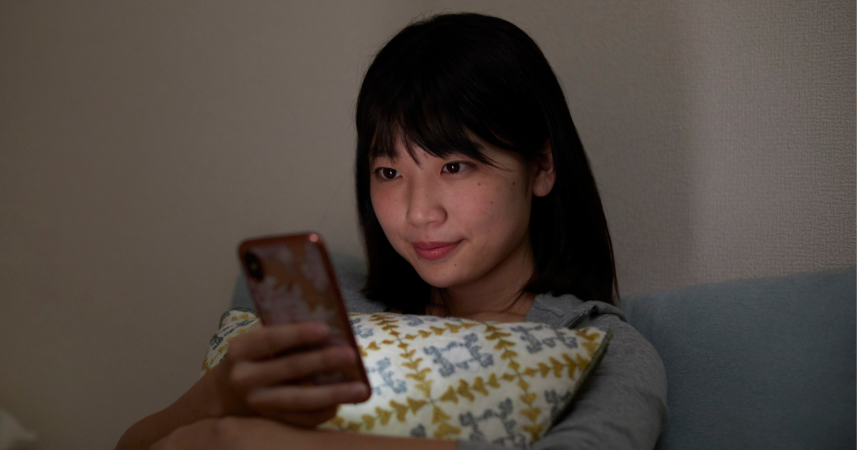
The moment you realize your endless scrolling is about drowning out the deafening silence of your own thoughts is the moment everything changes.
When was the last time you sat in complete silence, without your phone, without a book, without music, just you and your thoughts?
Try it right now: Put down whatever device you're reading this on and sit quietly for just five minutes.
How did that feel? If you're like most people, you probably felt an urgent need to reach for something, anything, to fill that void.
Maybe your mind started racing with to-do lists, worries, or random memories you'd rather not revisit.
Here's what I've come to realize: That discomfort you just felt? That's about avoiding the one person you spend the least time with (yourself).
The real addiction hiding behind the screen
We love to blame our phones for everything.
Screen time statistics, digital detox apps, articles about smartphone addiction.
But after years of struggling with this myself, including regular digital detox weekends that I still practice, I've discovered something uncomfortable: The problem is what happens when we put it down.
I started noticing this pattern during my burnout recovery at 36.
In therapy, I'd sit in the waiting room, and within seconds of sitting down, my hand would automatically reach for my phone because sitting there with my thoughts felt unbearable.
Research from the University of Virginia found that people would rather give themselves electric shocks than be alone with their thoughts for 15 minutes.
Let that sink in: Physical pain was preferable to mental stillness.
Why silence feels so threatening
Think about your daily routine.
You wake up and immediately check your phone, you listen to podcasts while getting ready, you scroll during meals, and you watch videos before bed.
When exactly do you just... exist?
For me, the revelation came during a therapy session where I cried for the first time in years.
My therapist asked a simple question: "What happens when you stop moving?"
I realized I'd been using constant stimulation, especially my phone, as a shield against feeling anything real.
Dr. Sherry Turkle from MIT writes extensively about this in her research on technology and relationships; she notes that we're connected but alone, using devices to avoid the vulnerability of genuine introspection.
The truth? When we're alone with our thoughts, we might discover things we've been avoiding: Unprocessed grief, disappointment, dreams we've abandoned, and questions about whether we're living the life we actually want.
The stories we tell ourselves to stay distracted
I recently read Rudá Iandê's new book, Laughing in the Face of Chaos: A Politically Incorrect Shamanic Guide for Modern Life, which I've mentioned before, and one passage stopped me cold: "We live immersed in an ocean of stories, from the collective narratives that shape our societies to the personal tales that define our sense of self."
This insight made me realize how much of my phone usage was about escaping my own story by diving into everyone else's.
Instagram stories, news feeds, text conversations, and all of it was a way to avoid examining the narrative I was living.
Since discovering journaling at 36, I've filled 47 notebooks with reflections and observations, but here's what's interesting: The most profound insights always came after periods of uncomfortable silence.
What we're really running from
You know that feeling when you're lying in bed at night, phone finally down, and suddenly all your worries come flooding in?
That's what's been waiting for you all day.
I learned that intellect can be a defense mechanism against feeling emotions, and boy, was I guilty of this: Constantly consuming information, analyzing, learning, all noble pursuits, sure, but also brilliant ways to avoid actually feeling anything.
A study published in Computers in Human Behavior found that higher phone use correlates with increased anxiety and depression.
However, here's what they don't tell you: It might not be the phone causing the anxiety.
Maybe we're using the phone because we already feel anxious about facing ourselves.
The courage to be still
So, what happens when we actually stop running? When we put down the phone and sit with whatever comes up?
At first, it's uncomfortable.
Your mind will throw everything at you: That embarrassing thing you said five years ago, worries about the future, questions about your choices.
But if you stay with it, something shifts.
You start to notice patterns: You begin to understand why certain things trigger you, and you might even discover what you actually want, buried under all those notifications and likes and endless scrolling.
During one of my digital detox weekends, I sat outside with nothing but my thoughts for an entire afternoon.
For the first time in months, I felt like I could actually breathe because I was finally being honest with myself about what I was feeling.
Starting small with radical honesty
You don't need to throw your phone in the ocean or move to a monastery.
Start with five minutes: Tomorrow morning, before you reach for your phone, just sit.
Feel whatever comes up.
Don't judge it, don't try to fix it, just notice it.
Keep a notebook nearby, not to distract yourself with writing, but to jot down what emerges from the silence.
You might be surprised by what your mind has been trying to tell you beneath all that digital noise.
When I started doing this, I discovered I was exhausted, soul-deep weary from constantly performing, producing, consuming.
The phone was the symptom of my inability to just be.
Final thoughts
Your phone isn't your enemy, and neither is technology.
However, when we use them to avoid the fundamental human experience of being alone with ourselves, we miss out on something essential: The chance to actually know who we are.
The next time you catch yourself mindlessly reaching for your phone, pause.
Ask yourself: What am I avoiding right now? What would happen if I just sat here instead?
The answer might be uncomfortable and painful, but it might also be the beginning of finally coming home to yourself.
You can scroll through a thousand lives, consume endless content, stay "connected" 24/7, but until you can sit quietly with your own thoughts, you'll always be running from the one person you can never escape: yourself.
Maybe, just maybe, when you stop running, you'll discover that person is actually worth knowing.