
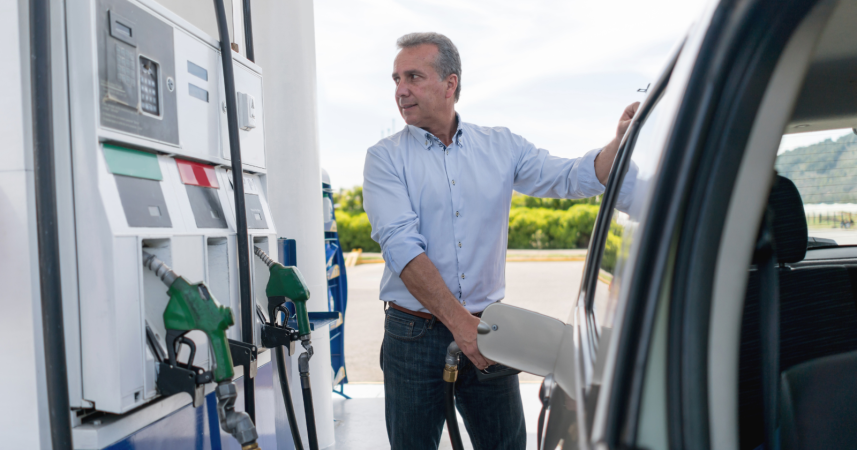
From meticulously cleaning every window to writing actual checks at the counter, the gas station habits of Baby Boomers reveal a fascinating time capsule of behaviors that leave younger generations both puzzled and oddly charmed.

Add VegOut to your Google News feed. 
Ever notice how different generations approach the simplest tasks in completely unique ways?
Last week, I was filling up my car when I watched a gentleman in his seventies meticulously clean every single window on his vehicle, check his tire pressure, and then carefully save his receipt in what looked like a dedicated envelope.
Meanwhile, the twenty-something at the next pump barely looked up from their phone while the tank filled itself. It got me thinking about all those little generational quirks we see at gas stations every day.
After years of observing human behavior (first through financial data, now through everyday interactions), I've noticed that Boomers have some pretty distinct gas station habits that younger drivers find fascinatingly specific. Some of these might make you smile with recognition, others might have you scratching your head wondering why anyone would do that.
Let's explore seven of these wonderfully particular behaviors that set the Boomer generation apart at the pump.
1) Writing checks at the register
Remember checks? Those paper rectangles that required actual penmanship?
While most of us tap our cards or phones without a second thought, many Boomers still pull out their checkbooks at gas station counters. They carefully write out "Forty-three dollars and seventeen cents," record it in their register, and hand it over with practiced precision. The cashier, often someone under thirty, might need to call a manager just to process it.
I used to see this all the time when I worked in finance. Older clients would insist on paper checks for everything, keeping meticulous records in those little ledgers. There's something admirable about that level of financial awareness, even if it does create a line of impatient customers checking their phones behind them.
The thing is, for Boomers, this isn't just about payment preference. It's about maintaining a tangible connection to their spending, something that feels more real than a digital transaction ever could.
2) Paying inside even when pay-at-pump works perfectly
Have you ever wondered why someone would walk inside to pay when there's a perfectly functional card reader right there at the pump?
For many Boomers, this is standard procedure. They'll park, walk inside, tell the cashier "Twenty dollars on pump three," then walk back out to fill up. Sometimes they'll make two trips, going back in for their change or receipt.
A friend's dad explained this to me once: he doesn't trust those card readers. Too many stories about skimmers, hackers, and identity theft. Plus, he likes the human interaction, the chance to say hello to someone, maybe grab a newspaper while he's at it.
When you've spent decades doing something one way, why change now? Especially when that way has always worked just fine.
3) Cleaning the entire windshield (and checking the squeegee water first)
This one always makes me smile. Watch a Boomer approach the squeegee bucket and you'll witness a whole ritual.
First, they'll check the water. Is it too dirty? Too soapy? Just right? Then comes the windshield cleaning, and we're not talking about a quick swipe. We're talking about systematic, methodical cleaning of not just the windshield, but often the back window, side mirrors, and sometimes even the headlights.
Growing up, my neighbor would spend a solid five minutes on this process every single time he got gas. "Clean windows save lives," he'd say, working that squeegee like an artist with a brush.
Younger drivers might give the windshield a quick swipe if there's a obvious bug splatter, but for Boomers, this is part of proper vehicle maintenance. They learned to drive when full-service stations were common, where attendants would automatically clean your windows. Now they do it themselves, with the same thoroughness they remember from those days.
4) Topping off the tank to reach an even dollar amount
Sixty-three dollars and eighty-seven cents? Not on a Boomer's watch.
They'll stand there, carefully squeezing the handle, adding just a few more drops until that display reads exactly sixty-four dollars. Or better yet, sixty-five. Those satisfying round numbers that make balancing the checkbook (yes, they still do that) so much cleaner.
During my finance days, I'd see this obsession with round numbers in investment accounts too. Clients would deposit $1,000 instead of $987, even if it meant waiting another week. There's something deeply satisfying about those clean, even amounts.
Modern payment systems don't care if you paid $43.67 or $44.00, but for a generation that grew up counting change and balancing books by hand, those extra thirty-three cents matter. It's about order, control, and the simple pleasure of neat numbers.
5) Checking tire pressure at those old air stations
When was the last time you checked your tire pressure at a gas station?
For many Boomers, this is part of the refueling routine. They'll pull up to that air compressor (the one younger folks might not even notice), pull out an actual tire pressure gauge from their glove compartment, and methodically check each tire.
They know their vehicle's recommended PSI by heart. They'll add air if needed, always careful not to overinflate. Some even check the spare tire, because when was the last time you thought about your spare?
This habit comes from an era when tire blowouts were more common and roadside assistance meant hoping a kind stranger would stop to help. They learned that proper tire pressure meant better gas mileage and safer driving, lessons they've never forgotten.
6) Keeping a dedicated notebook for gas mileage tracking
Open a Boomer's glove compartment and you might find a small notebook filled with columns of numbers: date, gallons, price, odometer reading, calculated MPG.
Every fill-up gets recorded. They can tell you exactly how their mileage changed when they switched to a different brand of gas, or how much that road trip to Florida cost in fuel. It's data analysis, old-school style.
Coming from a finance background, I actually appreciate this one. There's value in tracking patterns, understanding your consumption, knowing when something's off with your vehicle because the mileage suddenly dropped. Most of us just fill up when the light comes on and hope for the best.
These notebooks are like personal historical documents, chronicling thousands of miles and hundreds of fill-ups. They represent a level of attention to detail that smartphone apps try to replicate, but somehow it's not quite the same as that worn notebook with coffee stains and careful handwriting.
7) Actually reading their receipt and filing it
That receipt that most of us crumple and toss? Boomers read it, check it, and file it.
They'll stand right there at the pump, examining the receipt to make sure the amount is correct, the gallons match what the pump showed, and the price per gallon is what was advertised. Then that receipt goes into a designated spot, maybe an envelope marked "Auto Expenses 2024" or a special compartment in their wallet.
This isn't paranoia or excessive organization. This is learned behavior from decades of needing those receipts for expense reports, tax deductions, or warranty claims. They've been burned before by not having the right documentation, and they're not making that mistake again.
Final thoughts
These behaviors might seem oddly specific or even unnecessary to younger generations who've grown up with contactless payments and dashboard computers that track everything automatically. But there's something to be said for the intentionality behind these habits.
Every squeegee swipe, every pressure check, every carefully recorded gallon represents a generation that learned to take care of things, to pay attention to details, to not trust everything to technology. They turned routine tasks into rituals, maintenance into mindfulness.
Next time you're at a gas station and see someone meticulously cleaning their windshield or walking inside to pay with exact change, maybe you'll see it differently. These aren't just quirky habits. They're connections to a time when things moved a little slower, when taking care of your car meant more than just keeping it running, and when every receipt told a story worth saving.
Sometimes the most specific behaviors are the ones worth preserving, even if we don't write checks anymore.
If You Were a Healing Herb, Which Would You Be?
Each herb holds a unique kind of magic — soothing, awakening, grounding, or clarifying.
This 9-question quiz reveals the healing plant that mirrors your energy right now and what it says about your natural rhythm.
✨ Instant results. Deeply insightful.

Avery White
Formerly a financial analyst, Avery translates complex research into clear, informative narratives. Her evidence-based approach provides readers with reliable insights, presented with clarity and warmth. Outside of work, Avery enjoys trail running, gardening, and volunteering at local farmers’ markets.
More Articles by Avery










