
Workplace dress codes might seem like a superficial topic, but they reveal so much about power, respect, and self worth.
Remember when “dressing for work” meant shoulder pads, stiff suits, and pantyhose in every season?
Even if you were not around for the 80s office scene, you have probably seen the photos of power suits, crisp white shirts, and heels that could double as weapons.
Anything outside that narrow box, especially for women, could get you a warning, a write up, or even sent home to change.
Fast forward to today: I can sit in a meeting with someone in jeans, sneakers, a nose ring, and a full sleeve tattoo, and no one blinks.
Productivity has not collapsed and respect has not disappeared.
If anything, many workplaces function better because people can show up as themselves.
What changed? It is about control, identity, and what we think “professional” should look like.
Let’s walk through five things that used to be dress code disasters, yet are completely normal in many workplaces now, and what they reveal about our own beliefs and self image:
1) Wearing jeans to the office
I still remember my first finance job.
Business formal from Monday to Thursday and, on Fridays, we were “allowed” to wear business casual, which meant dark slacks instead of a skirt suit.
Jeans were unthinkable.
When I talked to older colleagues, they told me about the 80s, when a single stray pair of denim could get someone sent home.
Jeans meant “lazy”, “unserious”, even “rebellious.”
Today, I write from my home office in black jeans.
If I walk into a modern office, I see managers in denim leading teams, presenting to clients, and making big decisions.
The interesting part is the story around it.
Back then, professionalism was tightly linked to conformity.
If you dressed like everyone else, it signaled that you played by the rules.
Now, more workplaces care about outcomes, not pleats.
Ask yourself: Where are you still equating “looking serious” with “being valuable”?
Maybe you tell yourself you only deserve respect when you are perfectly polished, never tired, never casual.
That mindset can creep into everything.
You might hold back from speaking up unless you feel fully “put together” inside and out.
Jeans becoming acceptable is a reminder that competence is not stitched into your clothes.
You are not less capable on days you feel more human than polished.
2) Sneakers instead of “proper” work shoes
“Real professionals wear real shoes,” I once heard an older manager say this when a junior analyst dared to show up in clean white sneakers on a Friday.
This was years after the 80s, but the old script was still running.
In the 80s, a lot of folks tell stories of being sent home for wearing anything that looked like a running shoe.
For women, there was the classic high heel expectation.
For men, hard leather only.
Now, walk into any tech office, creative agency, or casual corporate environment and you will see sneakers everywhere.
Paired with a blazer, paired with a dress, or paired with tailored pants.
As a trail runner, I think a lot about my feet, and how pain changes my mood.
It is very hard to think clearly, empathize with others, or do deep work when your feet are screaming all day.
Sneakers at work are a micro sign of a bigger move toward sustainability, comfort, and caring about people as humans rather than interchangeable parts.
Not just with shoes, but with everything you use to perform an identity.
Wearing something physically painful because you want to look like you belong.
You are allowed to choose comfort without losing credibility.
In fact, when you are not constantly suppressing physical discomfort, you free up energy for presence, creativity, and better decisions.
3) Visible tattoos and body art
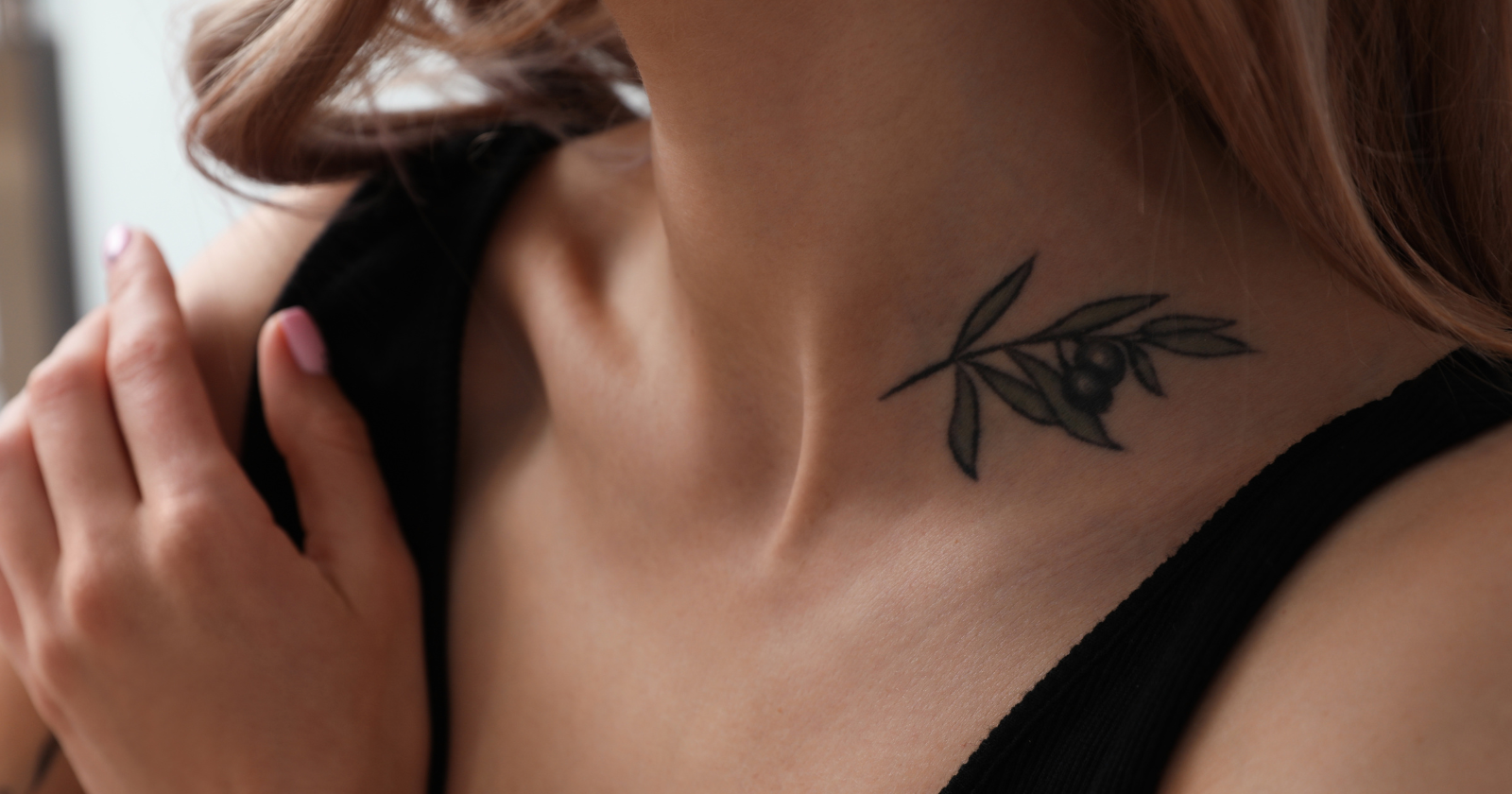
In many 80s offices, visible tattoos were an immediate problem.
You could be sent home, told to cover up, or quietly passed over for client facing roles.
Tattoos signaled “unprofessional,” “unreliable,” or “rebellious” in the worst way.
Fast forward: I have worked with senior leaders who have full sleeves under their button ups, designers with floral ink running down their calves, and developers with tiny line art on their hands that shows every time they type.
No one cares, as long as the work is solid.
What changed is our understanding of identity: A tattoo is often a story, a memory, a value, or an artistic choice.
When workplaces open up to visible ink, they are, in a sense, saying “we care more about what you contribute than how neatly you hide who you are.”
From a psychological perspective, hiding pieces of yourself all day has a cost.
Masking, even in small ways, drains your mental battery.
Covering tattoos, changing hair, hiding jewelry, it all sends a subtle message to your brain that “the real me is not welcome here.”
Building a life that fits you includes small acts of alignment; maybe it is finding a workplace that does not punish self expression, or maybe it is starting with small personal boundaries in other areas.
4) Natural hair, curls, and protective styles
This one is deeply tied to race, culture, and power.
In the 80s, many people of color were told their natural hair was “unprofessional.”
Curls had to be straightened.
Locs, braids, and Afros could trigger comments, warnings, or being sent home to “fix” it.
The message was clear: To be accepted, you had to move closer to a narrow, Eurocentric standard.
Your body needed to adapt to the dress code, not the other way around.
Today, there is still a lot of work to do, but in many workplaces, natural hair and protective styles are finally seen as normal, not controversial.
From a self development lens, this is huge: Imagine waking up every morning and having to change your body to be allowed to earn a living.
The psychological load of that is real as it can create layers of shame, anxiety, and constant self monitoring.
Even if this has never been your personal experience, it is worth reflecting on where you may have unconsciously absorbed the idea that “professional” equals “as close to the dominant culture as possible.”
Maybe it shows up as judging your own curls, your accent, your body shape, or even your food choices at lunch.
As a vegan, I have had my share of side eye for showing up to office potlucks with plant based dishes.
It is minor compared to hair discrimination, but it taught me to notice who we expect to “adapt” and who gets to be the default.
Respecting natural hair at work is about dignity and about letting people show up without apology.
5) Gender bending styles and relaxed rules for women’s clothing
In the 80s, there were stories of women being sent home for wearing pants instead of skirts, going without pantyhose, wearing tops that showed bare shoulders, or choosing flat shoes over heels.
Men faced their own box. No tie, no suit jacket, no clean shave, and you could be labeled “sloppy.”
Anything that blurred traditional gender lines was risky.
Today, you might see a manager in a jumpsuit and sneakers, an analyst in a flowy dress and cardigan, a nonbinary colleague in an outfit that does not sit neatly in “menswear” or “womenswear,” and no one treats it as a crisis.
We are slowly uncoupling “skill” from “gender performance.”
From a psychological standpoint, strict gendered dress codes keep people on a tight script.
Relaxed dress codes give people breathing room; when you have some control over how you present, you often feel more grounded and authentic.
That authenticity tends to improve communication and trust.
If you grew up with very rigid rules around what men and women “should” wear, you might still hear a little judgmental voice in your head when you see someone dressed differently.
Self development is also about how willing you are to update your mental files about other people.
Final thoughts
Workplace dress codes might seem like a superficial topic, but they reveal so much about power, respect, and self worth.
In the 80s, people were literally sent home for jeans, sneakers, tattoos, natural hair, or clothes that did not fit rigid gender expectations.
Today, many of those “violations” are normal, and the world did not fall apart.
When you see someone at work who looks different from what your inner 80s dress code officer expects, let that be a cue to check in with your own beliefs.
You might discover that your idea of “professional” is ready for a refresh.
As you loosen those old rules, you make a little more room, both for yourself and for everyone around you, to simply be human at work.
If You Were a Healing Herb, Which Would You Be?
Each herb holds a unique kind of magic — soothing, awakening, grounding, or clarifying.
This 9-question quiz reveals the healing plant that mirrors your energy right now and what it says about your natural rhythm.
✨ Instant results. Deeply insightful.