

Getting dressed after 50 often comes with quiet pressure. Ironically, many style choices meant to look younger end up adding years instead of confidence.

Add VegOut to your Google News feed. 
There’s a strange pressure that sneaks in around midlife when it comes to getting dressed.
Somewhere along the way, clothing stops feeling like simple self-expression and starts feeling like a quiet negotiation with age.
I hear it all the time from women who are smart, capable, and interesting, yet suddenly unsure in front of their closets.
The question isn’t “Do I like this?” anymore, but “Does this make me look old?”
What’s tricky is that many of the choices meant to create a younger appearance can have the opposite effect.
Instead of freshness, they highlight effort, fear, or disconnection from the present moment.
This isn’t about strict rules or dressing “appropriately.”
It’s about understanding why certain pieces age us and how small shifts can restore ease, confidence, and modernity.
Here are ten common wardrobe choices I see women over 50 make with the best intentions, yet they often end up adding years instead of subtracting them.
1) Dressing like you’re borrowing someone else’s life
Have you ever put on an outfit and felt like you were playing a role instead of being yourself?
That feeling usually shows on the outside more than we realize.
Trying to dress exactly like a much younger generation can unintentionally spotlight the gap rather than blur it.
Ultra-short skirts, graphic slogans, or hyper-trendy pieces often feel disconnected from the lived experience of a woman over 50.
The issue isn’t age or body type. It’s authenticity.
When clothing doesn’t align with who you are now, it creates visual tension. Instead of looking youthful, the outfit can feel like it’s shouting for approval.
Women who look vibrant at any age tend to adapt trends rather than chase them.
They choose silhouettes and details that nod to what’s current while still honoring their own rhythm and lifestyle.
That quiet confidence reads as modern far more than imitation ever could.
2) Hiding behind oversized, shapeless clothing
Baggy clothes feel safe for a reason. They promise coverage, forgiveness, and relief from scrutiny.
But when garments lack structure entirely, they can drain energy from your appearance.
Fabric that hangs without intention often pulls the eye downward and blurs the natural lines of the body.
I’ve watched women step into oversized outfits thinking they look relaxed, only to look smaller, heavier, or more tired than they actually are.
The clothes end up wearing them instead of the other way around.
Structure doesn’t mean tight or uncomfortable. It simply means shape.
A jacket with a defined shoulder, a top that acknowledges the waist, or pants that skim instead of pool can instantly lift a look.
Clothes that follow your body’s lines communicate vitality and presence.
Ease plus intention always feels younger than hiding ever will.
3) Wearing tight clothes that fight your body
On the flip side, squeezing into clothes that cling too closely can also add years.
When garments pull, stretch, or ride up, they highlight tension rather than confidence.
There’s also a psychological layer here.
If you’re constantly adjusting your outfit, pulling fabric down, or feeling restricted, that discomfort shows up in posture and body language.
Clothes that are too tight can feel like a battle you’re waging all day long. That sense of effort ages an outfit instantly.
Pieces that skim the body instead of gripping it tend to feel more modern and forgiving.
They allow movement, breath, and ease, which reads as self-assured rather than self-conscious.
Comfort and style aren’t opposites. When they work together, the result is quietly powerful.
4) Keeping the same hair and makeup from decades ago
You can wear the most current clothes in the world, but outdated hair and makeup will pull everything backward.
The contrast becomes especially noticeable when youthful clothing meets a frozen beauty routine.
Heavy foundation, overly dark lipstick, harsh eyeliner, or stiff hairstyles can harden the face over time.
Instead of looking polished, the effect can feel heavy and dated.
I once watched a woman try on a beautifully simple outfit that should have been flawless.
But the makeup was so thick and severe that it aged her far beyond her years.
As skin texture changes, lighter and softer approaches often work better.
Updating makeup techniques, embracing movement in hair, or adjusting color tones can instantly modernize your look.
Youthfulness often comes from softness and flexibility, not intensity.
5) Wearing all black as a default
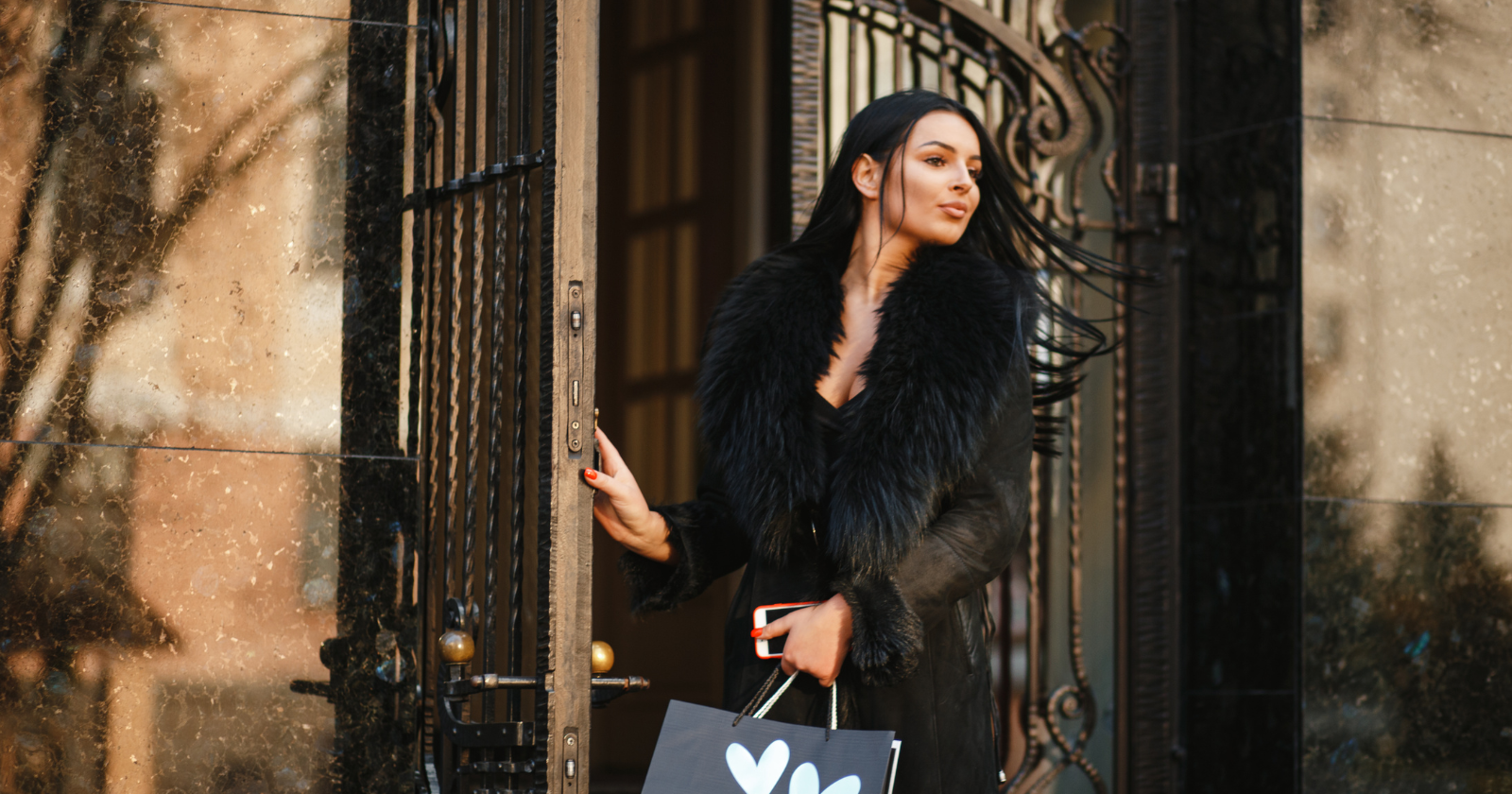
Black has long been sold as the ultimate slimming, sophisticated choice.
And while it can absolutely be chic, relying on it exclusively can backfire over time.
Dark colors, especially near the face, can emphasize shadows, fine lines, and fatigue. When worn head to toe, black can sometimes drain warmth and vibrancy from the complexion.
This doesn’t mean abandoning black altogether. It means being mindful of balance.
Introducing softer neutrals, textured fabrics, or even a lighter layer near the face can lift your entire appearance.
Color reflects light, and light brings life to the skin.
Many women look instantly fresher by swapping pure black for charcoal, navy, cream, or warm earth tones.
6) Leaning too heavily into “cute”
Ruffles, bows, novelty prints, and overly sweet details often enter the wardrobe as a way to feel playful or lighthearted.
The intention is usually to avoid looking severe or boring.
But when these elements dominate an outfit, they can feel infantilizing rather than joyful. There’s a fine line between playful and precious.
Excessively cute details can make an outfit feel disconnected from the maturity and depth that naturally comes with age.
Instead of youth, they can suggest denial or discomfort with adulthood.
Playfulness doesn’t have to mean childish. Clean lines paired with one unexpected detail often feel far more modern and confident.
When clothes respect your lived experience, they enhance rather than diminish your presence.
7) Ignoring the power of shoes
Shoes are often an afterthought, yet they quietly anchor the entire outfit. An outdated or worn shoe can age a look faster than almost anything else.
Styles that were popular decades ago, overly orthopedic designs, or visibly tired footwear can pull even a great outfit backward in time.
The rest of the look might be current, but the shoes tell a different story.
The goal isn’t pain or extreme trends. It’s relevance.
A clean sneaker, a modern flat, or a simple ankle boot can instantly refresh an outfit. When shoes feel intentional, the entire look feels considered and alive.
Footwear doesn’t need to scream style. It just needs to belong to the present moment.
8) Over-accessorizing as camouflage
Large scarves, heavy necklaces, oversized bags, and stacked accessories often start as a form of armor.
They distract attention and add interest without addressing the clothes underneath.
But when accessories overwhelm the body, they can add visual weight and clutter. Instead of enhancing the look, they dominate it.
I’ve noticed that women who rely heavily on accessories often do so out of uncertainty. The layers become a way to hide rather than express.
Simpler accessories tend to feel fresher and more modern. They allow the person to come forward instead of the objects.
Clarity in styling almost always reads as youthfulness.
9) Dressing according to outdated “rules”
Many women carry invisible style rules that were handed down years ago. Don’t show your arms. Cover your knees. Stick to classics only. Avoid bold colors.
These rules are usually rooted in fear rather than style. They encourage caution, not expression.
When you dress to avoid judgment instead of reflect your current life, clothes can feel stiff and disconnected. That rigidity shows.
Youthfulness isn’t about pretending you’re younger. It’s about being present and engaged with who you are now.
Clothes chosen from curiosity and self-trust almost always look better than clothes chosen from anxiety.
10) Confusing comfort with neglect
Comfort becomes non-negotiable with age, and rightly so. But comfort without intention can slowly turn into giving up.
Stretched fabrics, sagging waistbands, and worn-out pieces send a subtle message of exhaustion.
Even if the clothes feel good, they may not support how you want to show up in the world.
Comfort and fit are not enemies. Soft fabrics can still be tailored. Stretch can still have structure.
When clothes feel good and look considered, they communicate self-respect and energy.
That combination always reads as younger than resignation ever will.
Final thoughts
Trying to look younger is rarely the real goal, even if we think it is.
What most women actually want is to look alive, relevant, and comfortable in their own skin.
The women who truly glow after 50 aren’t chasing youth. They’re refining their style, editing their wardrobes, and letting go of fear-based choices.
When clothes align with who you are now, they amplify your presence instead of fighting it. They tell a story of confidence, curiosity, and self-trust.
And that kind of energy doesn’t add years. It quietly takes them away.












