The smallest habits—like what you keep or toss—can quietly reveal the deepest truths about how you think and live.
I’ve noticed something curious over the years—especially when helping friends unpack groceries or reorganize a kitchen.
Some people toss their shopping bags without a second thought. Others? They keep every single one.
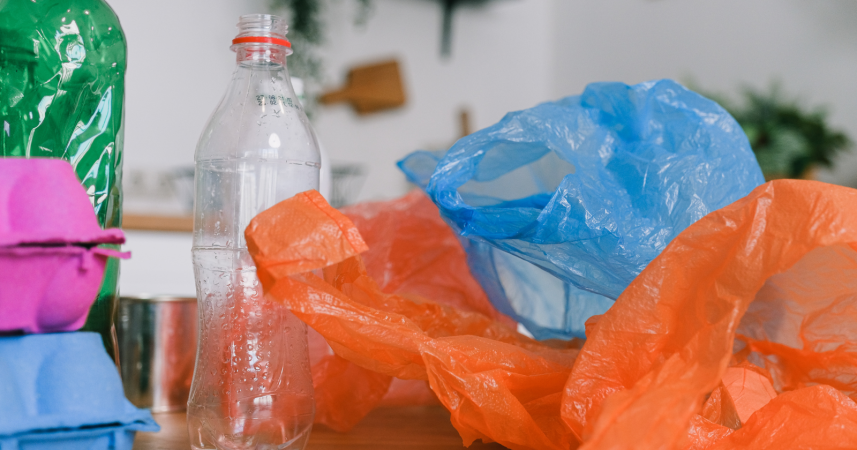
And I’m not just talking about the glossy paper bags from boutique stores. I mean the crinkly plastic ones from the corner shop, the sturdy totes from the farmers’ market, the gift bags from three Christmases ago.
If it once held something, it’s found a new home—in a cupboard, under the sink, or hanging from the back of the pantry door.
It might seem like a harmless little quirk. But habits, even the small ones, often have roots in our deeper psychology. Keeping shopping bags isn’t just about “being prepared.” It can say a lot about how you think, what you value, and how you approach life.
If you’re one of these “keepers,” you might recognize yourself in more than one of these.
1. You’re deeply resourceful
Do you look at a shopping bag and think, This could be useful for something? That’s resourcefulness in action.
You see potential where others see clutter. And it’s not just about saving money—it’s about making the most out of what you already have. A sturdy paper bag might be perfect for organizing pantry items. A plastic grocery bag could line a small trash can. A cloth tote might become your go-to for library books.
One psychological framework defines “learned resourcefulness” as a cluster of problem-solving and self-management skills that enable us to cope with—and even adapt to—unexpected or suboptimal situations with flexibility and creativity.
And there’s a subtle satisfaction in knowing you can meet a need without running to the store. In an age where convenience is often purchased, you find pride in working with what’s already in your hands.
2. You have a strong “just in case” mindset
If you’ve ever thought, I might need this one day, congratulations—you’re in the “just in case” club.
This mindset can be a real strength. It’s a form of contingency planning—preparing for the unexpected so you’re never caught off guard. I used the same approach in my finance career: keeping buffers in budgets, anticipating worst-case scenarios, and making sure there was always a backup plan.
Bag-keepers apply that same thinking in everyday life. Heading to a picnic? Bring extra bags for wet swimsuits. Taking a road trip? Stash a few for snack wrappers or muddy hiking boots.
Of course, there’s a fine line. A few spares? Smart. An overflowing cabinet? Maybe time for a sort-through. The trick is keeping “just in case” from turning into “I forgot what’s in here.”
3. You dislike waste—of any kind
For many bag-keepers, tossing a perfectly good item feels… wrong.
It’s not just about bags. You might save bubble wrap to protect fragile items, glass jars for storing spices, or even those little hotel soaps “just in case.” There’s a moral satisfaction in reusing something—stretching its life before it lands in the bin.
Environmental psychologists have found that conscientious individuals—those marked by responsibility, self-discipline, and orderliness—are more likely to engage in reuse behaviors, seeing value in repurposing what others might discard.
You’re also more likely to feel a small spark of joy when you do reuse something. It’s like winning a little game against wastefulness. And in a culture of constant consumption, that’s a rare and admirable trait.
4. You’re sentimental in unexpected ways
Sometimes, the reason you keep a bag has nothing to do with practicality.
Maybe that paper bag reminds you of a weekend shopping trip with your sister. Maybe it came from a favorite bookstore you visited on vacation. Or maybe you just love the design and can’t bring yourself to toss it.
Sentimental attachment to everyday objects is more common than people realize. Psychologists call it object attachment, and it often happens when an item is linked to a strong memory or positive feeling.
I once found a small bag at the back of my cupboard that I’d been “saving.” It was from a bakery in Paris, from a trip I took years ago. Was I going to reuse it? Probably not.
But in that moment, holding it brought the memory rushing back. That’s the quiet power of sentimental clutter—it’s less about the object, more about the story it tells.
5. You’re naturally organized (in your own way)
To outsiders, a drawer stuffed with bags might look chaotic. But many bag-keepers know exactly what’s there.
Plastic grocery bags? Rolled up in a neat dispenser. Paper bags? Stacked by size in the pantry. Reusable totes? Folded in the trunk of the car. It’s a system—maybe unconventional, but a system nonetheless.
And systems are a sign of strong executive functioning skills: the brain’s way of planning, sorting, and retrieving information. You’ve created a mental (and physical) filing cabinet, and it works for you.
Marie Kondo once said, “The question of what you want to own is actually the question of how you want to live your life.” For you, part of that life means having the right bag for the right purpose—without a frantic last-minute search.
6. You tend to plan ahead
There’s something incredibly satisfying about being the person who always has what’s needed.
I can’t count the times I’ve been out with friends and heard, “Oh, I wish I had a bag,” while I’m pulling one from my purse. That’s not an accident—it’s foresight.
Planning ahead is more than just being organized. It’s about anticipating needs before they arise. In psychology, this ties to proactive coping—preparing for potential challenges to reduce stress later.
You’re probably the same person who keeps an umbrella in the car “just in case” or brings extra snacks on a hike. Having those bags on hand gives you a sense of control in a sometimes unpredictable world.
7. You may have grown up in a “waste not, want not” environment
Some habits don’t start with us—they’re passed down.
If you grew up in a home where every container was washed and reused, leftovers were stretched into new meals, and nothing went to waste, keeping bags probably feels natural.
This often has roots in generational or cultural values. Families who lived through financial hardship or scarcity—whether during wartime, economic recessions, or migration—developed a mindset of resource preservation. And those values tend to stick, even when circumstances change.
In my own family, my grandmother kept every bread bag, every piece of string, every jar lid. As a kid, I saw it as eccentric. As an adult, I understand it was a form of security and respect for resources.
8. You’re adaptable and quick to repurpose
If there’s one skill bag-keepers excel at, it’s adaptability.
Need an impromptu rain cover for your hair? A way to wrap up wet swimsuits? A quick solution for sorting recyclables at a party? You’ve got it covered—literally.
Adaptability is tied to cognitive flexibility, the ability to shift perspective and see multiple solutions to a problem. People who are good at this tend to handle change more easily, because they don’t get stuck thinking there’s only one “right” way to do things.
It’s a trait that goes far beyond bags—it’s about how you move through life. You take what’s available, work with it, and make it function for your needs. That’s a survival skill worth keeping.
Final thoughts
Keeping all your shopping bags doesn’t make you strange—it makes you prepared, conscientious, and maybe even a little sentimental.
Like any habit, it’s worth checking in on from time to time. Are you keeping them because they’re genuinely useful? Because they carry memories? Or because letting go feels uncomfortable?
Either way, those bags tell a quiet story about who you are. They hint at foresight, adaptability, and the belief that even small, simple things deserve a second chance.
So the next time someone teases you for your stash, just smile. You’re not just holding onto bags. You’re holding onto a way of thinking—one that values preparedness, creativity, and the potential in everyday things.
And honestly? The world could use a little more of that.
If You Were a Healing Herb, Which Would You Be?
Each herb holds a unique kind of magic — soothing, awakening, grounding, or clarifying.
This 9-question quiz reveals the healing plant that mirrors your energy right now and what it says about your natural rhythm.
✨ Instant results. Deeply insightful.