Your body often knows the truth about your inner life long before your mind is ready to admit it.
We live in a culture that glorifies the grind. Long hours, endless commitments, juggling work and personal life—it all gets wrapped up in the word “busy.” But here’s the thing: sometimes “busy” is just a mask for something else entirely. Some of us aren’t simply busy—we’re hooked on the rush of stress itself.
That might sound strange, but think about it. Stress floods your system with adrenaline and cortisol, giving you a hit of energy and focus. For many, it becomes the default state—something you unconsciously chase. And like any addiction, it comes with a cost.
So how do you know if you’ve crossed the line from hard-working to stress-addicted? Let’s dive into eight signs that reveal what’s really going on.
1. You feel restless when things are calm
Ever sit down to relax only to feel… itchy inside? Like something’s wrong if you’re not checking your phone, cleaning the kitchen, or making a to-do list? That’s not productivity—that’s withdrawal.
Your nervous system has gotten so accustomed to being revved up that calm feels foreign. This is a huge red flag that you’re not just experiencing stress—you’re relying on it to function.
I’ve seen this in myself after finishing big projects. Instead of celebrating, I’d immediately look for the next problem to solve. If peace feels uncomfortable, it’s worth asking why. Because true balance includes downtime, not just constant motion.
2. You equate your worth with productivity
One of the sneakiest signs of stress addiction is when your self-esteem is directly tied to how much you get done. If you’re not crossing items off a list, you feel guilty. If you’re not “busy,” you feel lazy.
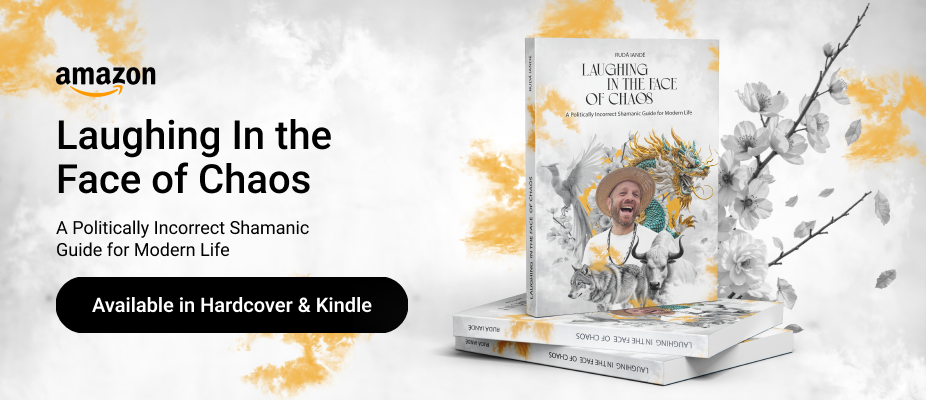
This mindset is dangerous because it traps you in a cycle where rest = failure. As Rudá Iandê writes in Laughing in the Face of Chaos: “When we let go of the need to be perfect, we free ourselves to live fully—embracing the mess, complexity, and richness of a life that's delightfully real.”
That hit me hard. I’d spent years treating rest like wasted time, when in fact, it’s part of being fully alive.
If your value feels tied to output, chances are you’re fueling yourself with stress rather than genuine energy.
3. You thrive on deadlines and crises
Do you ever notice how you become hyper-productive when there’s an emergency? It’s like you suddenly have laser focus when the pressure is on. But outside of that? You procrastinate.
That’s because stress hormones kick your brain into overdrive. You get hooked on the “crisis high.” Deadlines become your drug of choice. Without them, you struggle to motivate yourself.
I used to joke that I worked best under pressure. But looking back, I see it wasn’t a joke—it was a dependence. If you only operate well in chaos, you might be leaning on stress as fuel instead of learning how to generate steady, sustainable energy.
4. Your body is always in overdrive
Let’s talk physical signs. Stress addiction doesn’t just show up in your schedule—it shows up in your body.
Maybe your shoulders are perpetually tense. Maybe your jaw aches from clenching. Maybe your sleep is shallow because your mind never stops racing. These aren’t quirks. They’re signals that your nervous system is running on high alert all the time.
As noted by health psychologist Kelly McGonigal, “Your stress response is actually a resource. But if you live in it constantly, it turns against you.” Stress in short bursts can sharpen you. Chronic stress chips away at your health. If your body feels wired even when nothing’s wrong, that’s not resilience—it’s dependency.
5. You create drama without realizing it
This one stings. Sometimes stress-addicted people manufacture problems just to stay in the cycle. You might overcommit, overcomplicate, or overreact because a calm environment feels “boring.”
I once caught myself doing this at work. A project was moving along smoothly, but instead of enjoying the ease, I started nitpicking and reworking details that didn’t need fixing. Looking back, I realize I was chasing the thrill of tension.
It’s a harsh truth: if you find yourself stirring up drama—at work, in relationships, or even internally—it might be less about the situation and more about your brain’s craving for that familiar stress hit.
6. You numb out instead of winding down
Here’s another clue: how do you relax? Do you actually unwind, or do you crash?
Scrolling endlessly, binge-watching, drinking, snacking—these aren’t real recovery methods. They’re numbing techniques. They give your brain a break from high alert without actually restoring balance.
This ties back to Rudá Iandê’s insights about listening to your body. In his book, he emphasizes that “Our emotions are not barriers, but profound gateways to the soul—portals to the vast, uncharted landscapes of our inner being.” That perspective shifted how I viewed my own “relaxation.” Was I truly resting—or was I avoiding?
If your downtime leaves you just as tired afterward, it’s a sign you’re not decompressing—you’re coping with stress dependency.
7. You can’t celebrate without stress
Here’s a sneaky one: do you find it hard to enjoy achievements unless they were hard-won? If you didn’t grind for it, sweat for it, lose sleep over it—it doesn’t feel valuable.
This mindset makes stress the gatekeeper of joy. It convinces you that struggle is the only path to meaning. But life doesn’t have to be an uphill battle to be worthwhile.
I used to downplay “easy wins,” telling myself they didn’t count. But ease is not a crime—it’s balance. If celebration feels empty unless it’s laced with exhaustion, you’re addicted to the stress that got you there, not the actual reward.
8. You feel empty when you stop
Finally, the clearest sign: when stress disappears, so does your sense of purpose. Vacations leave you restless. Weekends feel too long. A slow day makes you anxious.
That emptiness is telling. It’s not that you love stress—it’s that you don’t know who you are without it. Stress has become your identity, your default lens for experiencing the world.
But here’s the liberating truth: you can rewire this. As Iandê reminds us, “Anxiety is not merely a problem to be solved but a gateway to a richer, more real way of being.” Stress doesn’t have to be your prison. It can be your teacher, showing you where you’re avoiding deeper questions about identity, worth, and peace.
Final thoughts
If any of these signs hit uncomfortably close, you’re not alone. Modern life practically rewards stress addiction. But here’s the catch: living in a constant state of adrenaline is not strength—it’s self-sabotage.
I say this as someone who’s worn “busy” as a badge of honor for years. It took burnout, and honestly, some uncomfortable honesty with myself, to realize that busyness was just stress wearing a shiny disguise.
You deserve more than that. You deserve energy that isn’t rooted in tension, rest that isn’t laced with guilt, and joy that doesn’t demand struggle as proof. It takes awareness, patience, and sometimes help—from therapy, mindfulness, or simply being brave enough to sit still.
The truth is, stress isn’t going anywhere. But addiction to stress? That’s optional. And the sooner you loosen its grip, the sooner you can step into a life defined not by constant motion, but by presence, peace, and meaning.