From the distinct smell of Sears portraits to the Blue Light Special stampedes at Kmart, these eight now-vanished retail temples didn't just sell products, they sold the complete middle-class suburban American dream, one layaway payment at a time.
Remember that distinct smell of new plastic toys mixed with popcorn that hit you the moment those automatic doors swooshed open? If you grew up in the 80s suburbs like I did, you know exactly which store I'm talking about. Those weekend shopping trips with your parents weren't just errands; they were adventures through fluorescent-lit aisles that defined an entire generation's childhood.
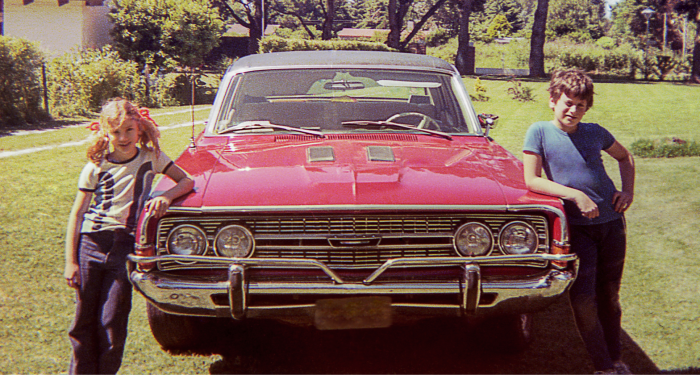
Growing up in a middle-class suburb meant these stores weren't just places to shop. They were social hubs, weekend destinations, and the backdrop to countless family memories. My parents, like so many others, faithfully made their rounds to these retail staples, credit cards in hand and station wagon ready to haul home the goods.
Looking back now, I realize these stores painted a perfect picture of what it meant to be solidly middle-class in 1980s America. You had enough money to shop regularly, but you were still hunting for deals and comparing prices. Let me take you on a nostalgic journey through the eight stores that defined suburban middle-class life in the Reagan era.
1. Sears
Was there anything more quintessentially middle-class than getting your family portrait taken at Sears? Those matching sweater vests didn't choose themselves, after all.
Sears was the everything store before Amazon was even a dream. Need a new washing machine? Sears. School clothes for the kids? Sears. That Craftsman tool set for Father's Day? You know where we went. The catalog alone was legendary, that massive tome that showed up at your door twice a year, dog-eared within days from all the circling and wish-listing.
I remember spending what felt like hours in the electronics department while my father debated between different television models with the salesperson. This wasn't just shopping; it was an investment decision that required careful consideration and usually at least two visits before pulling the trigger.
2. JCPenney
If Sears was where you bought your appliances, JCPenney was where middle-class moms ruled supreme. This was command central for back-to-school shopping, where you'd emerge hours later with bags full of Dockers, polo shirts, and those plastic shoes that everyone seemed to have.
The beauty of JCPenney was that it hit that sweet spot between affordability and respectability. You weren't shopping at the fancy department stores downtown, but you also weren't buying generic brands. It was name-brand clothing at prices that didn't make your parents wince too visibly.
Remember those seasonal sales? My mother would plan her shopping calendar around them, armed with coupons clipped from the Sunday paper and a determination that could move mountains.
3. Radio Shack
Before Best Buy dominated the electronics landscape, Radio Shack was where suburban dads went to indulge their gadget obsessions. Need a specific type of battery that no other store carried? Radio Shack. Want to build your own radio from a kit? Radio Shack had you covered.
This wasn't just a store; it was a wonderland of wires, switches, and mysterious electronic components that promised endless tinkering possibilities. Every suburban garage had at least one project that started with a trip to Radio Shack and a wildly optimistic timeline.
The employees actually knew what they were talking about too. You could walk in with the vaguest description of what you needed, and they'd lead you straight to the exact adapter or cable that would solve your problem.
4. Toys "R" Us
Geoffrey the Giraffe was basically the patron saint of suburban childhood. That magical moment when your parents announced a trip to Toys "R" Us? Pure bliss.
The store was massive, overwhelming in the best possible way. Aisles stretched forever, each one dedicated to a different universe of play. The bike section alone was bigger than most stores today. And who could forget the video game aisle, where you had to grab those little slips of paper and take them to the cage up front to claim your prize?
Birthday parties weren't complete without a Toys "R" Us gift certificate, and every kid knew exactly which aisle they'd hit first with that precious piece of plastic.
5. Montgomery Ward
Montgomery Ward occupied that comfortable middle ground in the retail hierarchy. Not quite as ubiquitous as Sears, but certainly a cornerstone of suburban shopping centers across America.
What set Wards apart was their payment plans. Middle-class families could furnish entire rooms through their credit programs, paying off that new living room set over months without breaking the monthly budget. It made aspirational purchases feel achievable.
The store had this particular smell, a mixture of new carpet and leather furniture, that instantly transported you into a world of possibility. Walking through their home departments was like touring model homes you could actually afford.
6. Kmart
Blue Light Specials, anyone? That sudden announcement over the loudspeaker would send shoppers racing across the store, not even knowing what was on sale but certain it was too good to miss.
Kmart was where practicality met opportunity. You went for toilet paper and somehow left with a new set of lawn chairs, a Jaclyn Smith blouse, and enough candy to last until Halloween. It was the master of the impulse buy, strategically placing everything you didn't know you needed right where you'd see it.
The cafeteria with its ICEEs and hot dogs was a suburban kid's dream lunch spot, the perfect bribe for good behavior during a long shopping trip.
7. Sam Goody or Musicland
Music wasn't just something you streamed; it was something you hunted for, collected, and treasured. Sam Goody or Musicland (depending on your region) was where suburban teens spent their allowance and part-time job earnings.
The ritual was always the same: flip through the cassettes or CDs, check out the new releases, maybe sample something at the listening station if you were lucky. Buying an album was a commitment, both financial and emotional. You were going to listen to every single track whether you liked it or not because that tape cost you a full hour of babysitting money.
These stores were also social spaces where you'd inevitably run into classmates and judge or bond over musical tastes.
8. Waldenbooks or B. Dalton
Every suburban mall had its bookstore, usually a Waldenbooks or B. Dalton, tucked between the Gap and Orange Julius. These weren't massive Barnes & Noble superstores, but cozy spots packed floor to ceiling with possibilities.
The young adult section was sacred ground, where you'd discover Sweet Valley High or Choose Your Own Adventure books. Parents would browse the bestseller table up front while kids sat cross-legged in the aisles, already three chapters into something they'd eventually convince mom to buy.
Book orders from school were exciting, but nothing compared to having free rein in an actual bookstore with your birthday money burning a hole in your pocket.
Final thoughts
These eight stores weren't just retail spaces; they were the stages where middle-class suburban life played out in the 1980s. They represented a sweet spot in American consumer culture: comfortable enough to shop regularly, practical enough to hunt for bargains, and optimistic enough to believe that each purchase was an investment in a better tomorrow.
Today, many of these stores are gone, victims of changing shopping habits and economic upheavals. But for those of us who grew up wandering their aisles, they remain vivid in our memories. They were places where families spent time together, where birthday wishes came true, and where the American Dream felt tangible and achievable.
Sometimes I catch myself in a modern big-box store, and for just a moment, a familiar smell or sound takes me back. I'm eight years old again, holding my mother's hand, believing that everything we could ever need or want was just an aisle away.
That was the magic of being middle-class in 1980s suburban America: the whole world felt both vast and accessible, waiting for you just beyond those automatic doors.
What’s Your Plant-Powered Archetype?
Ever wonder what your everyday habits say about your deeper purpose—and how they ripple out to impact the planet?
This 90-second quiz reveals the plant-powered role you’re here to play, and the tiny shift that makes it even more powerful.
12 fun questions. Instant results. Surprisingly accurate.