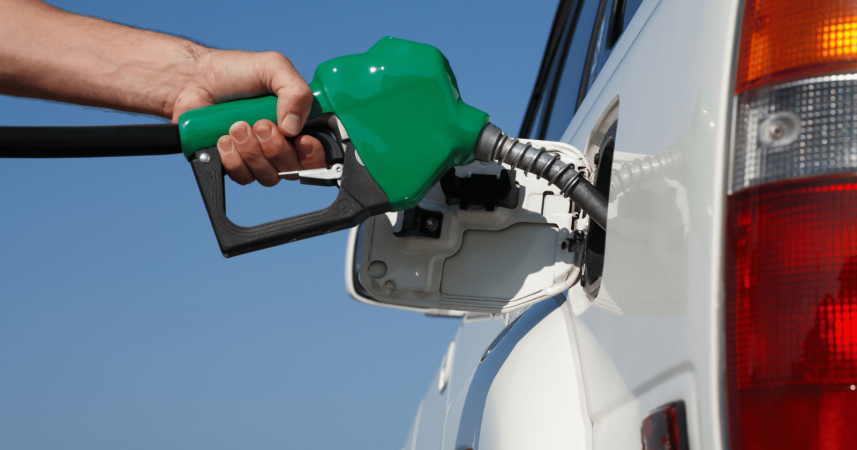
From meticulous check-writing to window-cleaning rituals that rival a full-service car wash, these time-honored gas station habits create a generational traffic jam that leaves younger drivers checking their watches and wondering if they'll ever make it to work.
We've all been there. You pull into the gas station, running late for work or trying to squeeze in a quick fill-up between errands, and suddenly you're stuck behind someone who seems to be treating the pump like their personal office space.
The minutes tick by. Your coffee gets cold. And you wonder what exactly could be taking so long.
Look, I genuinely appreciate the wisdom and experience that comes with age. My own parents taught me invaluable lessons about patience and thoroughness.
But after years of observing gas station dynamics (and yes, occasionally being that impatient person drumming my fingers on the steering wheel), I've noticed some generational patterns that explain why younger drivers often find themselves confused at the pump.
These habits aren't necessarily wrong. In fact, many come from a place of caution, courtesy, or simply doing things the way they've always been done. But in our increasingly fast-paced world, they can create a fascinating cultural clash at something as mundane as a gas station.
1. Paying inside even when the pump accepts cards
This one always makes me smile because it reminds me of my dad. Despite the convenience of paying at the pump, many Boomers still prefer to walk inside, wait in line, and pay the cashier directly.
Why do they do it? Sometimes it's about trust. Credit card skimmers weren't a thing when they started driving, but now that they've heard about them, some prefer the perceived safety of handing their card to a human. Others simply enjoy the brief social interaction or want to grab a receipt from an actual person.
The thing is, modern pump card readers have advanced security features, and those little conversations with cashiers, while pleasant, can add five to ten minutes to what could be a two-minute transaction.
2. Writing checks at the register
I witnessed this just last week, and the teenage cashier looked genuinely puzzled, like someone had just handed them ancient currency. But for many Boomers, check-writing is still a preferred payment method.
They'll carefully fill out every line, record it in their checkbook register, and sometimes even balance their account right there at the counter. There's something admirable about this financial diligence. When my mother had surgery and I helped manage her finances, I discovered she'd kept immaculate records for decades using this exact method.
But in an age of tap-to-pay and digital wallets, watching someone write a check for $30 worth of gas can feel like watching someone use a typewriter to send an email.
3. Cleaning every window and checking all fluids
Remember full-service stations? Many Boomers do, and they've internalized those routines. They'll squeegee not just the windshield but every window, check the oil, test the tire pressure, and maybe even pop the hood for a general inspection.
This thoroughness comes from an era when cars required more frequent maintenance and when a breakdown could mean serious trouble. My father, an engineer, drilled into me the importance of regular checks. His methodical approach to car care probably prevented countless problems over the years.
Yet when you're waiting for a pump and watching someone perform a 15-point inspection, you can't help but wonder if maybe the quarterly oil change place might be a better venue for this level of detail.
4. Engaging in lengthy conversations with attendants
"How's your family? Did your daughter get into that college? Is your back feeling better?"
These aren't just pleasantries for many Boomers. They're genuine connections. They remember when gas station attendants were fixtures in the community, people you'd see week after week. Building these relationships mattered.
I've noticed this especially in smaller towns where my parents live. The gas station becomes a social hub, a place to catch up on local news and maintain community bonds.
It's actually quite beautiful when you think about it. But when there's a line of cars waiting and the conversation shifts from quick greeting to detailed medical history, younger drivers start to fidget.
5. Meticulously organizing receipts and recording mileage
Open a Boomer's glove compartment and you might find a small notebook dedicated to gas mileage, maintenance records, and carefully filed receipts. After filling up, they'll often sit in their car, recording the date, gallons purchased, price per gallon, and current odometer reading.
This habit stems from a time when tracking expenses meant paper records and when knowing your car's fuel efficiency was essential budget information. Some still use this data for tax purposes or expense reports.
Digital apps now do this automatically, but there's something to be said for the mindfulness of manually tracking these details. Still, watching someone perform calculations while other customers wait can test anyone's patience.
6. Moving the car multiple times to get the perfect position
Forward a bit. Back a little. Forward again. No, that's too close. Back up once more.
This careful positioning dance happens because many Boomers learned to drive when gas caps were in different locations and pumps weren't as flexible. They want the hose to reach without stretching, the car to be perfectly parallel to the pump, and enough room to walk around comfortably.
Modern pump hoses are designed to reach almost anywhere, but old habits die hard. The precision is admirable, even if it means watching someone execute a three-point turn at a gas pump.
7. Calling someone for directions while at the pump
"Hi honey, I'm at the Shell station on Main Street. Which way do I turn to get to the doctor's office?"
Instead of pulling aside to make the call or using GPS, some Boomers will have entire directional conferences while occupying a pump. They might even draw maps on napkins or write down turn-by-turn instructions.
This reflects a time when getting lost meant real consequences and when human directions were more trusted than early GPS systems (remember when those things would send you into lakes?). But in an era of smartphone navigation, these pump-side geography lessons can seem unnecessarily lengthy.
8. Insisting on topping off the tank
Click. Add a little more. Click. Just a bit more. Click. One more squeeze.
Despite warnings about topping off being bad for your car's vapor recovery system and the environment, many Boomers want that tank filled to the absolute brim. They grew up when gas prices were volatile, and stations could be far apart. Getting every possible drop made sense.
My dad did this religiously until his heart attack at 68 made him reconsider a lot of small stressors. "Why was I fighting for an extra tenth of a gallon?" he asked me once. It was a small revelation, but it stuck with me.
9. Reading the newspaper or checking mail while pumping
Multi-tasking at the pump by catching up on physical reading material is quintessentially Boomer. They'll prop themselves against the car, unfold the sports section, or sort through envelopes, completely absorbed.
There's actually something enviable about this ability to slow down and use wait time productively. While younger folks scroll phones, Boomers might be reviewing important documents or staying informed about local events.
Final thoughts
After helping my parents downsize recently, I found myself thinking about how different generations approach daily tasks. These gas station habits aren't just quirks. They represent different relationships with time, technology, and community.
Maybe we could all benefit from slowing down occasionally, checking our fluids more often, or actually talking to the person behind the counter. But perhaps we could do it when there isn't a line of increasingly frustrated commuters behind us.
The next time you're waiting at a pump, take a breath. That person taking their time might be maintaining traditions that once made perfect sense. And who knows? In thirty years, younger generations might be baffled watching us do something equally obsolete, like manually entering passwords or physically touching our phone screens.
Change happens gradually, then suddenly. But at gas stations, it seems to happen one generation at a time.
If You Were a Healing Herb, Which Would You Be?
Each herb holds a unique kind of magic — soothing, awakening, grounding, or clarifying.
This 9-question quiz reveals the healing plant that mirrors your energy right now and what it says about your natural rhythm.
✨ Instant results. Deeply insightful.