From temple dress codes to tipping taboos, these seemingly innocent American behaviors can instantly mark you as the offensive tourist you never meant to be.

Add VegOut to your Google News feed. 
Ever walked into a Buddhist temple in Thailand wearing shorts? I have. The looks I got from the locals still make me cringe years later.
After leaving Melbourne and moving to Southeast Asia, I quickly learned that what feels normal to us can be deeply offensive elsewhere. And Americans, despite their best intentions, often find themselves stumbling through similar cultural landmines without even realizing it.
Living in Vietnam and marrying into a Vietnamese family opened my eyes to just how many unspoken rules exist in different cultures. Rules that nobody explicitly tells you about, but everyone expects you to know.
The thing is, most Americans travel with genuine curiosity and respect. But good intentions don't always translate across cultural boundaries. Sometimes the very behaviors that make you a good citizen back home can mark you as the clueless tourist abroad.
So let's dive into nine cultural mistakes Americans commonly make overseas, often without having any idea they're being offensive.
1. Being too loud in public spaces
Americans have a reputation for being loud, and honestly? It's often deserved.
What feels like normal conversation volume in the States can sound like shouting in many other countries. I've watched American tourists clear entire train cars in Japan just by talking at their regular volume.
In many Asian and European cultures, public spaces are treated with a certain reverence for quiet. People speak in hushed tones on trains, in restaurants, even on the street. It's not about being unfriendly. It's about respecting shared space.
Next time you're abroad, try this: lower your voice by about 30% from what feels natural. Watch how locals speak to each other and match their energy. You'll blend in better and avoid those uncomfortable stares.
2. Touching people during conversations
Americans are surprisingly touchy for a culture that values personal space. That friendly pat on the shoulder or casual arm touch while making a point? It can make people deeply uncomfortable in many parts of the world.
In my book Hidden Secrets of Buddhism: How To Live With Maximum Impact and Minimum Ego, I explore how different cultures view physical boundaries as sacred spaces. This couldn't be more true when it comes to casual touching.
In much of Asia and the Middle East, touching someone you don't know well, especially someone of the opposite sex, crosses serious boundaries. Even in parts of Europe, that American habit of touching while talking can come across as invasive or overly familiar.
Keep your hands to yourself unless you know the local customs well. A smile and respectful distance go much further than any friendly touch.
3. Wearing shoes indoors
This one seems so obvious once you know it, but I've watched countless Americans walk straight into Asian homes with their shoes on, leaving hosts too polite to say anything but privately horrified.
In many cultures, the outside world is considered dirty, and shoes are the carriers of that dirt. Bringing them into someone's home is like tracking mud across their living room carpet, except worse because it shows a fundamental lack of respect.
Always look for shoes by the door. If you see them, yours should join them. When in doubt, ask. Your hosts will appreciate the consideration.
4. Tipping when you shouldn't
Here's something that surprises many Americans: in some countries, tipping is actually insulting.
In Japan, leaving money on the table suggests the server needs charity or that their employer doesn't pay them properly. In parts of Europe, aggressive tipping can come across as showing off your wealth.
The American tipping culture is pretty unique. Most of the world includes service in the price or pays their workers a living wage. By assuming everyone expects a tip, you might accidentally offend someone who takes pride in their professional service.
Research tipping customs before you travel. When uncertain, observe what locals do or simply ask.
5. Being overly familiar with strangers
That classic American friendliness? The instant first-name basis, the personal questions, the immediate warmth? It doesn't translate everywhere.
I learned this the hard way when I first moved to Asia. My Australian openness combined with years of consuming American culture made me way too casual with people I'd just met. The discomfort was palpable.
Many cultures have formal modes of address and interaction, especially with new acquaintances. Using someone's first name without permission, asking personal questions too quickly, or assuming immediate friendship can be seen as presumptuous or disrespectful.
Start formal and let the other person set the tone for familiarity. You can always warm up, but you can't take back an overly casual first impression.
6. Eating while walking
Grabbing a sandwich and eating it while walking to your next destination? Totally normal in New York. Completely inappropriate in many other places.
In parts of Asia and Europe, eating is an activity that deserves your full attention and respect. Walking while eating is seen as rushed, uncivilized, or just plain rude. Food is meant to be savored, not multitasked.
I write about mindful practices in Hidden Secrets of Buddhism: How To Live With Maximum Impact and Minimum Ego, and this cultural difference actually teaches us something valuable about presence and respect for daily activities.
Find a bench, stop at a cafe, or wait until you reach your destination. Your food will taste better, and you won't mark yourself as the oblivious tourist.
7. Discussing money and salary
Americans can be surprisingly open about money, especially compared to other cultures where financial discussions are deeply private.
Asking someone what they paid for something, how much they earn, or making comments about prices can be incredibly rude in many countries. It's seen as vulgar, intrusive, or boastful, depending on the context.
Keep money talk to absolute necessities. If you need to discuss prices while shopping, do it quietly and discreetly. Never ask personal financial questions unless you have a very close relationship with someone.
8. Taking photos without permission
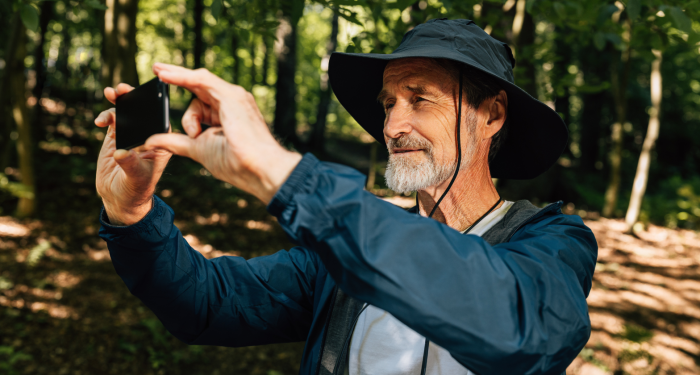
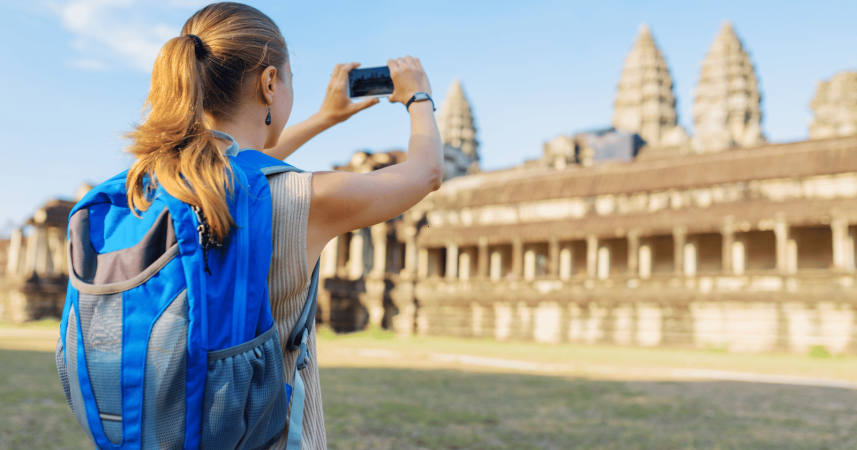
The American tourist with a camera, snapping photos of everything and everyone? It's a stereotype for a reason.
But here's what many don't realize: photographing people without permission isn't just rude in many cultures, it can be deeply offensive or even illegal. This goes double for religious sites, children, or anyone in traditional dress who isn't explicitly posing for tourists.
Always ask before photographing people. Learn the local rules about photography in religious or cultural sites. Some places ban photos entirely, others only allow them without flash, and some require you to cover up before entering.
Respect trumps Instagram every time.
9. Using your left hand
This one catches Americans completely off guard, but in many parts of the Middle East, Africa, and Asia, the left hand is considered unclean.
Eating with it, shaking hands with it, giving or receiving items with it, all of these can be offensive. The historical reasons are practical, but the cultural significance remains strong.
Train yourself to use your right hand for interactions when traveling to these regions. It feels awkward at first, but it shows cultural awareness and respect.
Final words
Cultural mistakes happen. I've made plenty myself, despite years of living abroad and building a cross-cultural family. The key isn't to be perfect but to be humble, observant, and willing to adapt.
Before you travel, spend some time researching local customs. Watch how locals behave and follow their lead. When you do mess up, and you will, apologize sincerely and learn from it.
Remember, you're a guest in someone else's home. Acting like it isn't about diminishing yourself. It's about showing respect for the rich tapestry of human culture that makes our world so fascinating to explore in the first place.
What’s Your Plant-Powered Archetype?
Ever wonder what your everyday habits say about your deeper purpose—and how they ripple out to impact the planet?
This 90-second quiz reveals the plant-powered role you’re here to play, and the tiny shift that makes it even more powerful.
12 fun questions. Instant results. Surprisingly accurate.