
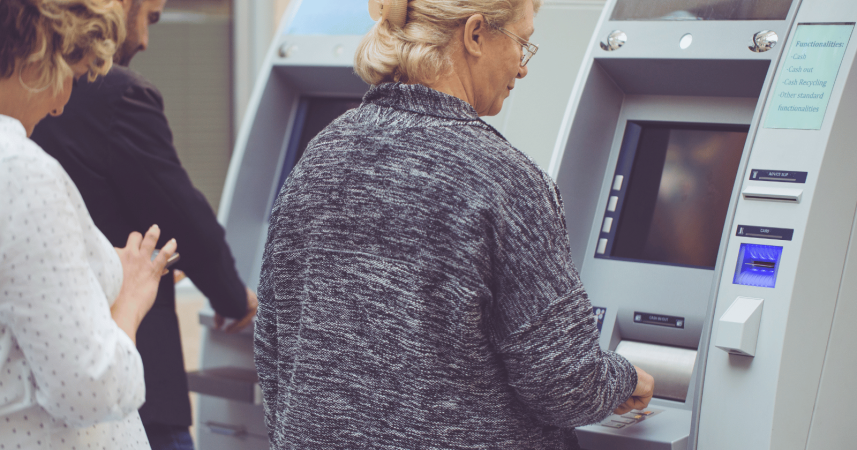
While we've all mastered the art of polite waiting, these seven time-tested ATM behaviors have turned quick cash runs into unexpected lessons in patience, and they might be happening right in front of you without you realizing why.

Add VegOut to your Google News feed. 
Ever find yourself stuck in an ATM line that feels like it's moving backward? Last week, I was rushing to grab cash before meeting a friend for lunch. What should've been a two-minute stop turned into a fifteen-minute ordeal.
The gentleman ahead of me treated the ATM like it was his first encounter with technology, complete with reading glasses adjustments, multiple card insertions, and what looked like a full reconciliation of his monthly budget right there at the screen.
As someone who spent nearly two decades as a financial analyst, I've watched technology transform banking. I've also helped my own parents navigate these changes, so I understand both sides of this generational divide.
But there's something about certain ATM behaviors that test everyone's patience, especially when you're third in line and running late.
Look, I'm not here to bash an entire generation. Many older adults handle ATMs like pros. But there are some common habits that tend to slow things down, and understanding them might help us all navigate these situations with more grace (and maybe inspire some gentle conversations with the ATM users in our own lives).
1. Starting the entire transaction process after reaching the machine
You know the scene. Someone waits in line for five minutes, finally gets to the ATM, and then begins the archaeological dig through their bag for their wallet. Then comes the search for the right card. Then the glasses. Then the piece of paper with the PIN written on it.
When I worked in finance, we had a saying: "Time is money." Nowhere is this more literal than at an ATM. The most efficient approach? Have your card ready before you even approach the machine. Know your PIN by heart. If you need reading glasses, put them on while you're waiting.
I watched my dad do this exact thing last year, and I gently suggested he get everything ready while waiting. His response? "I don't want people to see my card." Fair point, but you can discreetly prepare without waving your debit card around like a flag.
2. Conducting multiple separate transactions instead of doing everything at once
Picture this: withdrawal complete, receipt printed, and then... they put the card back in to check their balance. Transaction done, receipt printed, card goes back in to transfer money between accounts.
Most ATMs today let you handle multiple transactions in one session. You can withdraw cash, check balances, and transfer funds without starting over each time.
During my years analyzing banking data, I saw that the average ATM transaction should take about 40 seconds. Multiple separate transactions can stretch this to several minutes.
The solution? When the ATM asks "Would you like another transaction?" the answer is yes if you need to do more. It's faster, more secure, and significantly less frustrating for everyone involved.
3. Treating the receipt like a financial audit
After every transaction, examining the receipt with the intensity of a detective studying crime scene evidence. Standing right there at the machine, comparing it to a handwritten ledger, maybe even pulling out a calculator to verify the math.
I understand the importance of keeping track of finances (I was a financial analyst, after all). But the ATM vestibule isn't your home office. Grab your receipt, step aside, and review it somewhere that doesn't block access to the machine. You can even sit in your car afterward and go through everything carefully.
My mother used to do this until I showed her she could check everything online later. Now she takes a quick glance to ensure the amount is correct and moves on. The detailed review happens at home with her morning coffee.
4. Having full conversations during the transaction
Whether it's on the phone or with a companion, some folks carry on complete conversations while using the ATM. "Should I take out $60 or $80? What do you think? Remember when we went to that restaurant last week?"
Here's what happens: every conversation pause becomes a transaction pause. The person loses focus, has to re-read screens, maybe even starts over because they pressed the wrong button while distracted. What could take 40 seconds stretches into several minutes.
During the 2008 financial crisis, I saw how stress and distraction led to costly mistakes. Banking requires focus, even for simple transactions. Save the chat for after you've completed your business.
5. Refusing to use the tap or chip function
Despite cards having tap capabilities for years now, I regularly see people sliding their cards through the magnetic strip reader repeatedly, getting frustrated when it doesn't work, before finally inserting the chip or tapping.
The resistance to newer technology is understandable. When you've done something one way for decades, change feels unnecessary. But fighting with outdated methods while a line forms behind you helps no one.
I helped my parents transition to tap payments by practicing with them at stores during off-peak hours. Once they saw how much faster it was, they became converts. The key was learning when there wasn't pressure.
6. Making deposits with excessive cash or check sorting
Organizing bills by denomination, facing them all the same direction, smoothing out every wrinkle, counting multiple times. With checks, it's endorsing them at the machine, filling out deposit slips with painstaking precision.
Most modern ATMs don't require bills to be sorted or facing the same way. They can handle mixed denominations and slightly wrinkled bills. For checks, mobile deposit might be a better option if available, especially for those who need extra time to handle the process.
7. Not moving away from the machine after finishing
Transaction complete, cash in hand, but they remain at the ATM organizing their wallet, putting away receipts, counting the cash again, arranging bills in their preferred order.
Think of an ATM like a gas pump. Once you're done, you move your car so others can use it. Same principle applies here. Complete your transaction, take your items, and step away. You can organize everything a few feet from the machine or in your vehicle.
Final thoughts
We're all going to be the older generation someday, potentially struggling with whatever new technology replaces current systems. When I helped my mother after her surgery, watching her navigate tasks that were once simple but had become challenging, it was a powerful reminder that patience and understanding go both ways.
That said, a little awareness and preparation can make everyone's banking experience smoother. If you recognize yourself in any of these habits, consider making small adjustments.
If you're waiting behind someone exhibiting these behaviors, take a deep breath and remember that one day, you might be the one holding up the line at some futuristic banking terminal you don't quite understand.
The goal isn't to rush anyone or make them feel bad about their pace. It's about creating a smoother experience for everyone. Sometimes that means having gentle conversations with the ATM users in our lives about simple strategies that can help them feel more confident and efficient at the machine.
After all, we're all just trying to get our banking done and get on with our day.
What’s Your Plant-Powered Archetype?
Ever wonder what your everyday habits say about your deeper purpose—and how they ripple out to impact the planet?
This 90-second quiz reveals the plant-powered role you’re here to play, and the tiny shift that makes it even more powerful.
12 fun questions. Instant results. Surprisingly accurate.












