Some friendships survive only because one person is willing to orchestrate them. What looks like control might actually be the invisible labor that keeps bonds from dissolving entirely.
In surveys of adult friendship, the same pattern keeps surfacing. Women over thirty consistently report that they are the ones booking the reservations, sending the calendar invites, and confirming the plans the day before. Ask them why, and the answer is rarely about preference. It is almost always about fear that if they stopped, the friendship would simply evaporate.
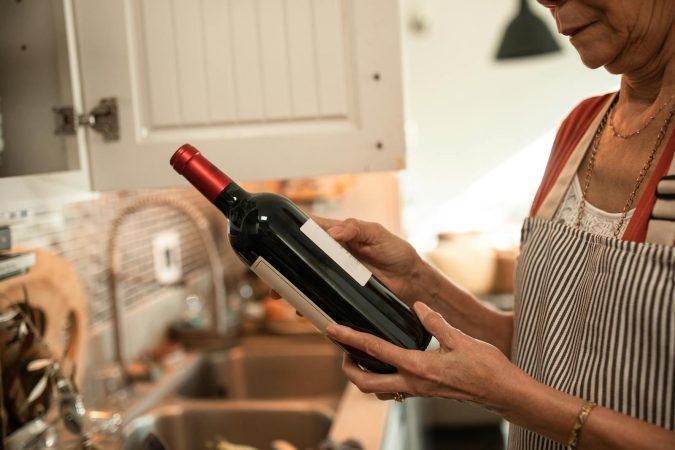
Maya was halfway through dicing shallots in my kitchen when she said as much, the knife slowing on the cutting board as if the thought had its own gravity. She'd flown down from San Francisco that morning, her quarterly visit, and we were three glasses into a bottle we'd been saving for no particular reason. She was tired, she said, of being the one who always books everything for group gatherings. Outside, the Oakland evening was doing that orange thing it does in April. Inside, one of my cats had stationed herself on her foot.
I have heard versions of this sentence from almost every woman I know over thirty.
The conventional read on this kind of friend is that she is a planner, a control freak, a Type A personality who needs to drive. The truth is closer to something else entirely. She is not holding the calendar because she enjoys it. She is holding the calendar because she ran an experiment, probably without meaning to, and the experiment ended the same way it always does.
She stopped texting first. The friendship went quiet. The friendship stayed quiet.
The experiment nobody talks about running
Most adults have, at some point, tested whether a friendship would survive their absence from the logistics. Sometimes the test is intentional, a small experiment in reciprocity. More often it is unintentional: a busy quarter at work, a move, a parent's illness. And the result is the same. Without the initiator, the friendship goes dormant.
What looks like control, then, is often the residue of pattern recognition. The friend who always picks the restaurant has learned, through repeated data points, that nobody else is going to. She is not dominating the friendship. She is keeping it alive on a respirator she built herself.
This is the quiet asymmetry that ends most adult friendships. Not betrayal, not a fight, just one person eventually running out of evidence that the bond is mutual.
What reciprocity actually means
The word reciprocity gets thrown around in friendship discourse like everyone agrees on what it means. They don't. Some people define it as effort matched dollar-for-dollar. Others define it as availability when it matters most. Most people, when pressed, can't define it at all, which is part of the problem.
Healthy relationships are built on a two-way exchange of support, care, and compromise. Not identical contributions, but balanced ones. Relationships without this balance tend to leave one person feeling used and burned out, while the other quietly enjoys the rewards.
The keyword there is quietly. The receiver in an asymmetric friendship rarely knows they're receiving. They genuinely think the friendship is going great, because from where they're sitting, it is. Someone else is doing the work of keeping it going.
The mental load of being the one who plans
There is a specific kind of exhaustion that comes from being the friend who always initiates. It's not the planning itself. Most initiators are competent at logistics, and many even enjoy them. It's the meta-cognition. The constant, low-grade calculation about whether the other person actually wants to be there.
You start to wonder things. Did she say yes because she wanted to come, or because saying no would have been awkward? Has it been my turn three times in a row? If I didn't text right now, how long would it take her to notice?
This dynamic slowly turns some bonds into a one-sided responsibility rather than a shared one. The friendship doesn't end. It just calcifies into a job.
Why some people default to receiving
It's tempting to cast the non-initiator as a villain. They are usually not. They are often warm, loyal people who would describe the friendship as one of the most important in their life. They genuinely would. What they are not is proactive. People differ along a stable dimension of social initiative. Some are natural connectors who text first and plan gatherings, while others are more responsive than proactive, joining when invited rather than leading. The problem isn't the difference itself. The problem is that the responsive friend is almost always the beneficiary of someone else's labor, and the labor stays invisible to them precisely because they never have to do it. Calling that morally neutral is generous. It is at minimum a debt, and debts that go unacknowledged eventually come due.
The proactive friend assumes the responsive friend would reach out if they cared. The responsive friend assumes the proactive friend likes planning, is grateful for it, and would say something if they didn't. Both are operating in good faith. Both are wrong about the other.
The cost of being the keeper
I worked in clinical practice for four years before leaving to write, and the same theme came up across nearly every female client over twenty-eight: the slow erosion of personal time in service of relationships that didn't require it. They weren't being asked to do this. They were doing it preemptively, because they had learned that if they didn't, the relationships would atrophy.
This is what gets missed in conversations about so-called controlling friends. They are not trying to dominate. They are trying to prevent loss. The behavior looks identical from the outside but the internal experience is the opposite: anxious, not entitled.
It is also, over time, corrosive. Women who carry the calendar for everyone in their life often find that the calendar stops containing anything that's just for them. There's a version of this dynamic I've written about before, where a woman's calendar fills with other people's needs until there's no room left for the things she'd plan if no one else was going to enjoy them.
What the receiver doesn't see
If you suspect you might be on the receiving end of an asymmetric friendship (and most of us have been, on at least one), the diagnostic isn't complicated. Look at your last six interactions. Who suggested them? Who picked the venue? Who confirmed the time the day before?
If the answer is the same name six times, that is data.
It does not mean you are a bad friend. It means you are a passive participant in a friendship that someone else is actively maintaining. The distinction matters because it's fixable. Try sending a "thinking of you" text on a random Tuesday with no agenda attached. Propose something specific, like "there's a new ramen place on Telegraph, want to go Thursday at 7?" instead of the vague "we should catch up sometime" that puts the work back on her. Be the one who remembers her sister's wedding was last weekend and asks how it went. Volunteer to host instead of waiting to be invited. Confirm the day-of plans before she does.
I came across a video recently by Justin Brown that explores exactly this, why adult friendships quietly die without someone willing to carry the logistical load. It articulates something I've been thinking about for years: that we mistake coordination for control because we're uncomfortable admitting how much effort friendship actually requires.
What you cannot do is keep assuming the friendship is mutual just because it feels mutual to you. The feeling of mutuality and the structure of mutuality are different things.
The conversation almost no one has
The hardest part, for the initiator, is naming it. Most don't. They drift instead, slowly reducing the frequency, testing whether the friendship can survive on lower fuel, and usually finding that it can't.
Naming it requires a particular kind of vulnerability that most adults are not practiced at. I've noticed I'm the one who always plans things. I'd love it if sometimes you reached out first. That sentence sounds simple. It is not. For people who have spent years performing the role of the easy, low-maintenance friend, asking for reciprocity feels like breaking a contract they didn't know they signed.
But the alternative is worse. The alternative is the friendship ending without either person ever quite knowing why.
Reframing the controlling friend
Next time you encounter the friend who always picks the restaurant, suggests the time, confirms the plans, consider the possibility that she is not running the show because she wants to. Consider that she has run the experiment of not running the show, watched what happened, and decided the friendship was worth the labor.
That is not control. That is grief management, performed in advance.
So here is the stance I'll take, after years of watching this pattern play out in clinical work and in my own kitchen. The planners are not the problem. They have been carrying friendships that other people benefit from without contributing to, and the cultural habit of calling them controlling is a way of avoiding the more uncomfortable observation: that a lot of adult friendship runs on the unpaid labor of women who are afraid of losing people. If you are one of the responsive ones, the work is yours now. Send the first text. Pick the restaurant. Confirm the time. Do it badly if you have to, but do it.
Otherwise, stop being surprised when the person who held it all together finally puts it down.