Sometimes one bag, one habit, and one tiny decision at a time is more than enough.

Add VegOut to your Google News feed. 
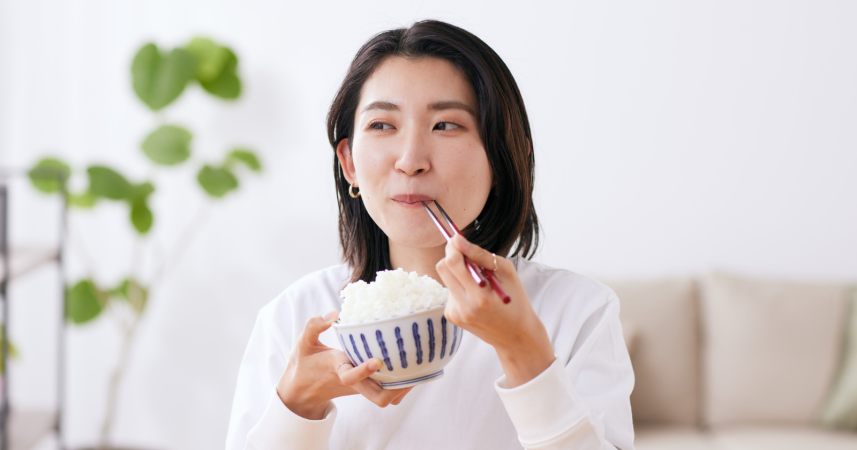
If you opened the pantry in my childhood home, you would always see it: Two big bags of rice.
One open and one untouched, waiting for some undefined future emergency.
We were just a lower-middle-class family living in a constant low hum of “what if.”
What if Dad’s hours get cut, what if the car needs a repair, or what if we need to stretch meals for an extra week.
That second bag of rice was insurance.
Years later, when I started working with wealthy families as a financial analyst, I noticed something that quietly blew my mind.
Their kitchens often had beautiful, curated pantries because running out was simply an inconvenience.
Why do some of us feel safer with two bags of the same cheap staple in the pantry, while others glide along with one at a time?
Let’s unpack that:
The pantry habit that shaped how I saw money
When I was a kid, I learned to read my parents’ stress levels by what showed up in the kitchen.
Two bags of rice, two big bottles of oil, extra canned tomatoes stacked like a tiny fortress.
It looked like abundance, yet it was actually anxiety with a barcode.
Nobody said that out loud, of course.
If you grew up like that, you might recognize the feeling.
Food was the most tangible thing we could control.
We could not control layoffs, medical bills, or rent hikes, but we could make sure there was always enough to throw together a meal of rice, beans, and frozen veggies.
That habit followed me into adulthood.
Even after I was earning a professional salary, I would stand in the grocery aisle staring at the cheap, familiar staples.
Should I get one bag of lentils or two or one bottle of soy sauce or two?
Objectively, I knew I could afford groceries but some part of my nervous system still believed that safety came in pairs.
Noticing that was my first clue that the pantry is a mirror of how safe we feel in the world.
Why some of us double up while others buy on demand
Working in finance, I spent years looking at spreadsheets that mapped people’s lives.
Same city, same age, yet very different realities.
One pattern kept showing up: People with more financial safety nets tended to live with more “on demand” habits.
They buy groceries as needed, they call professionals instead of hoarding tools, and they are comfortable holding less physical backup, because they have intangible backup.
If they run out of olive oil, they pop to the store or order delivery.
For a lower-middle-class family, that same inconvenience can tip into crisis.
If you are juggling gas money, childcare, and a maxed-out credit card, the idea of “oops, we are out of rice” can land differently.
It is a reminder that you do not have much room for error, so we create room by doubling up.
Interesting thing is, wealthy families sometimes have huge pantries full of options, but they do not cling to duplicates in quite the same way.
They stock for variety and enjoyment more than for survival.
Both groups are using the pantry for comfort; they just use it for different kinds of comfort.
One is soothing fear, the other is indulging choice.
Neither is morally better, but only one of these habits tends to knot our stomach when we stare at the shelves.
How fear sneaks into our food choices

Have you ever opened your pantry, seen an avalanche of bags and cans, and still thought, “We have nothing to eat?”
That is usually not a food problem, but a fear problem.
When I first went vegan, my pantry habits became even more revealing.
I shifted from two bags of white rice to two bags of brown rice and beans, then lentils and oats.
Pantry-friendly plant foods were my safety blanket; they were frugal, filling, and aligned with my ethics.
But at some point, I realized I was still operating from the same script as I was asking, “What can I stockpile that will protect me from the future.”
That fear-driven mindset can have side effects:
- We overbuy the same cheap thing and underinvest in fresh produce.
- We default to beige meals because they feel safe, not because they nourish us.
- We feel guilty using the “backup” bag, as if we are breaking the glass on an emergency alarm.
The pantry becomes a museum of past anxiety instead of a tool for present care.
So, how do we keep the wisdom of being prepared without living in a constant state of “just in case” panic?
Turning the backup bag into a conscious choice
I am not here to tell you to stop buying two of something.
Preparation is smart, especially if you are supporting a family, living on a tight budget, or just like to cook a lot of rice and beans.
The shift is about the state of mind.
Sometimes, the honest answer is “Yes, the extra bag genuinely makes life easier.”
If you live far from a store, rely on public transport, or have specific dietary needs, that backup is practical, not psychological.
Other times, you might notice that the second bag is more of an emotional security object.
In those moments, you can experiment: Buy one bag of your staple and use the money you would have spent on the “just in case” version to invest in something that builds long-term safety.
That might be:
- A small transfer to an emergency savings account.
- A contribution toward paying down a stressful debt.
- A few extra dollars toward fresh vegetables or fruit this week.
- A new-to-you pantry staple that makes plant-based meals more interesting, like lentils, chickpeas, or a spice you have not tried before.
If your gut clenches at the idea of not having a backup, notice that too.
You can practice on items that feel less emotionally loaded.
Maybe you still keep two big bags of rice, but you stop doubling up on pasta or cereal.
Tiny experiments can shift deeply rooted patterns without shocking your nervous system.
Redefining security beyond what sits on your shelves
Here is the truth that finally landed for me: No number of identical bags in the pantry will solve the feeling of “life is unstable.”
Real security comes from a mix of things that never fit on a shelf: Skills, community, information, and systems.
Learning how to cook satisfying meals from simple vegan staples is a skill; it means one bag of rice and one bag of lentils can stretch into many dinners, without feeling like deprivation.
Getting to know the vendors at your local farmers’ market or community co-op builds connection.
That network often becomes an informal safety net, whether through food swaps, shared recipes, or simple moral support when life is rough.
Understanding your own numbers, even in a very basic way, is powerful too.
The point is to let your shelves reflect both who you are now and who you are becoming: Someone who prepares (without living in permanent threat mode), someone who feeds their body with care, not only with fear, and someone who trusts that safety is built in many different ways.
Letting your pantry tell a new story
I still smile when I see two bags of rice lined up in my cupboard.
Part of that will always remind me of my parents doing the best they could with what they had.
It is a love language they passed down, even if it came packaged in anxiety.
Today, though, that second bag does not get a free pass.
Sometimes I buy it, sometimes I do not; I decide with my current reality in mind, not just my childhood reflexes.
The one thing lower-middle-class families often double up on is reassurance.
We try to store confidence in our cupboards because the world outside those doors has not always felt reliable.
If you recognize yourself in that, you are responding to the conditions you have lived through.
You also get to rewrite the script: Next time you are in the grocery aisle, looking at that familiar staple and reaching automatically for a second one, pause for a breath.
Ask yourself: What am I really buying right now, and is there another way I can give myself a sense of safety this week?
Whatever answer comes up is a good place to start.
One bag, one habit, and one tiny decision at a time is more than enough.