
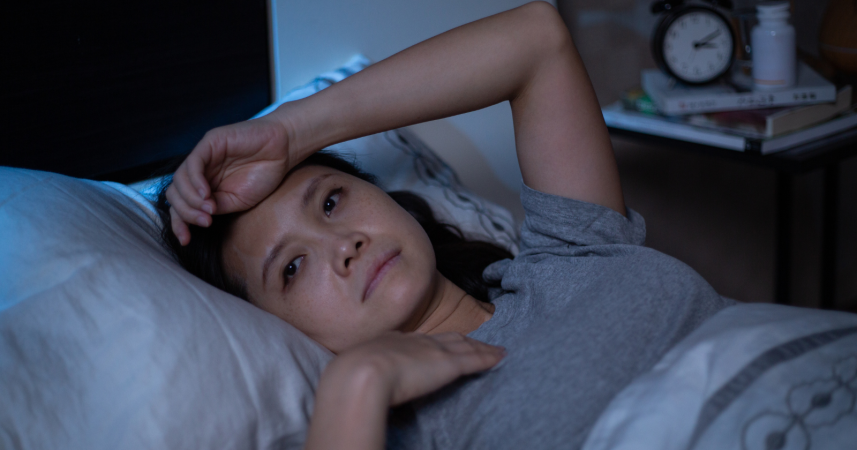
If you’re the kind of person who checks the door twice before sleep, I don’t think you’re “too much.”

Add VegOut to your Google News feed. 
Most nights, I’m pretty calm.
I brush my teeth, turn off the kitchen light, and do the little mental sweep we all do: keys, phone, wallet, tomorrow’s plan.
And then, right as my body starts to soften into sleep, my brain offers up one last question like a pop-up ad I never asked for.
Did you lock the door?
If you’ve ever climbed out of bed to check the lock, then checked again because the first check didn’t “stick,” you already know how ridiculous it can feel.
You also know it doesn’t feel optional.
The interesting part is that this habit isn’t always about fear.
A lot of the time, it’s a sign of a very specific kind of responsibility wiring: how you manage uncertainty, how you handle accountability, and how your brain tries to prevent regret.
Below are eight responsibility traits I see over and over in people who can’t sleep until the lock has been confirmed twice.
1) They carry the “if anything goes wrong, it’s on me” reflex
Some people assume problems are random.
Others assume problems are personal.
Double-checkers often fall into that second group.
If a package goes missing, they wonder if they typed the wrong address.
If a friend is upset, they replay what they said.
If a door is left unlocked, their brain doesn’t think “that happened.”
It thinks “I failed.”
That sounds harsh, but it’s also why these people are often the most dependable in a group.
Their default is accountability.
The lock check is the nighttime version of that reflex.
2) They are wired for prevention, not cleanup
You can tell a lot about someone by whether they prefer to prevent a mess or clean it up later.
People who check the lock twice usually want prevention.
They don’t like loose ends. They don’t like “we’ll deal with it if it happens.”
They’d rather spend ten extra seconds now than ten hours later dealing with consequences.
From a psychology angle, this is proactive coping.
Instead of soothing themselves after stress hits, they try to reduce the odds of stress in the first place.
The lock becomes a tiny, repeatable prevention behavior.
3) They feel responsible even when responsibility is shared
Here’s a small but telling detail.
If someone else says, “I locked the door,” a double-checker may still get up and verify it.
Not because they think the other person is lying.
Not because they think the other person is incompetent.
Because shared responsibility often doesn’t register as real responsibility in their nervous system.
Their brain relaxes when responsibility has their fingerprints on it.
This trait shows up everywhere.
They re-check the reservation even when a partner booked it.
They confirm the meeting time even when someone else sent the invite.
They scan the grocery list even when someone else “already got everything.”
It’s not control for control’s sake. It’s the need for internal confirmation.
4) They connect rest to “earned safety”
A lot of people can rest while things are unfinished.
Double-checkers often cannot.
Rest, for them, is something you get after you’ve made sure all the important boxes are ticked.
That’s why bedtime can be the hardest time.
At night, the world is quieter, so the brain has more space to bring up unfinished threads.
The lock check becomes a ritual that signals: the day is closed.
It’s like shutting down a laptop properly instead of just snapping the lid shut.
Their mind wants the clean exit.
5) They have high conscientiousness, which is a strength with a cost
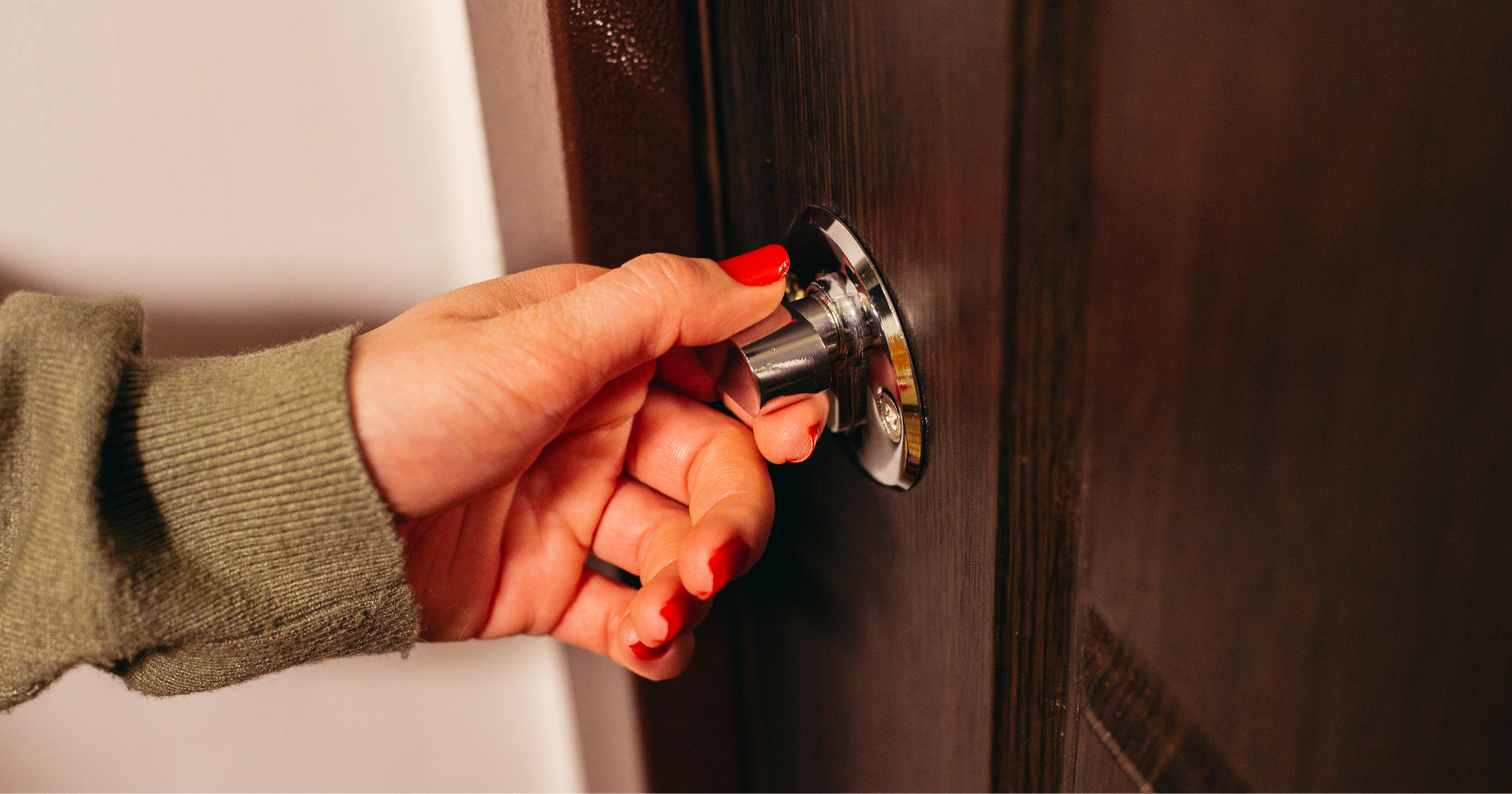
Conscientiousness is one of the most consistent predictors of reliability.
It’s the trait linked to being organized, self-disciplined, and careful with details.
People high in conscientiousness tend to follow rules even when no one is watching.
They don’t just want to do things. They want to do them correctly.
That’s the strength.
The cost is that their brain can be slower to accept “good enough.”
So when they check the lock once, their mind might still look for certainty.
And since certainty is hard to feel, they check again.
6) They are sensitive to regret, and their brain is trying to prevent it
I’ve noticed something in myself and in others.
The second check isn’t usually about danger.
It’s about regret.
It’s the brain trying to avoid that awful feeling of waking up to a problem and thinking, I could have prevented this with ten seconds of effort.
This is called anticipatory regret, and it’s a powerful motivator.
People who are sensitive to it tend to over-prepare.
They bring the extra charger.
They arrive early. They keep receipts. They read the fine print.
The lock check is part of that same system.
It’s not just checking. It’s future-proofing.
7) They rely on “proof” more than reassurance
Some people can soothe themselves with a thought like, “I’m pretty sure I locked it.”
Double-checkers often want proof.
They want the click. They want the tug on the handle. They want the physical confirmation.
This makes sense when you think about it.
The brain trusts sensory evidence more than mental reassurance, especially when you’re tired.
At night, memory can feel foggy.
So the mind asks for something concrete to anchor to.
The lock check provides that anchor. The challenge is that proof can become a moving target.
You can see the lock and still think, what if I’m seeing it wrong?
That’s when checking can become repetitive.
8) They sometimes confuse vigilance with being a good person
This is where I get a little more serious.
Many people who check the lock twice are also the people who keep families running.
They remember birthdays. They schedule appointments. They anticipate needs.
They handle the details no one else wants to think about.
Over time, their identity becomes tied to being the person who doesn’t let things slip.
So relaxing can feel like breaking character.
Their brain equates vigilance with goodness.
If I stop monitoring, I’m being careless. If I stop scanning, I’m being irresponsible.
That belief can sneak into the lock ritual.
Checking twice becomes a way of proving, again, that they’re doing their job as a competent adult.
What helps is separating responsibility from constant alertness.
You can be responsible and still rest. You can be dependable and still allow yourself to be human.
Final thoughts
If you’re the kind of person who checks the door twice before sleep, I don’t think you’re “too much.”
I think you’re someone whose brain is trained to protect, prevent, and carry the weight of outcomes.
That wiring has probably helped you succeed in plenty of places.
But sleep requires a different skill. It requires letting “good enough” be enough.
A practical exercise that can help is to turn the first check into a deliberate moment.
Say out loud, “I am locking the door now.” Then touch the lock, tug the handle once, and walk away.
That sounds almost silly, but it creates a stronger memory trace, which reduces the need for the second check.
And if you still check twice some nights, that doesn’t mean you failed.
It means you’re human, and your brain is doing what it learned to do.
The goal isn’t to shame the habit. The goal is to teach your mind that rest is safe, even when you stop supervising the world.
If You Were a Healing Herb, Which Would You Be?
Each herb holds a unique kind of magic — soothing, awakening, grounding, or clarifying.
This 9-question quiz reveals the healing plant that mirrors your energy right now and what it says about your natural rhythm.
✨ Instant results. Deeply insightful.

Avery White
Formerly a financial analyst, Avery translates complex research into clear, informative narratives. Her evidence-based approach provides readers with reliable insights, presented with clarity and warmth. Outside of work, Avery enjoys trail running, gardening, and volunteering at local farmers’ markets.
More Articles by Avery










