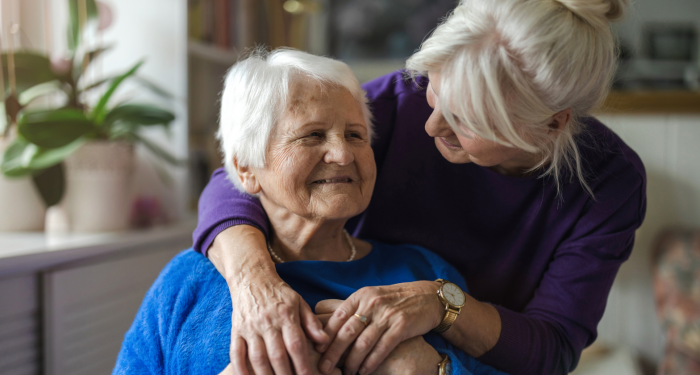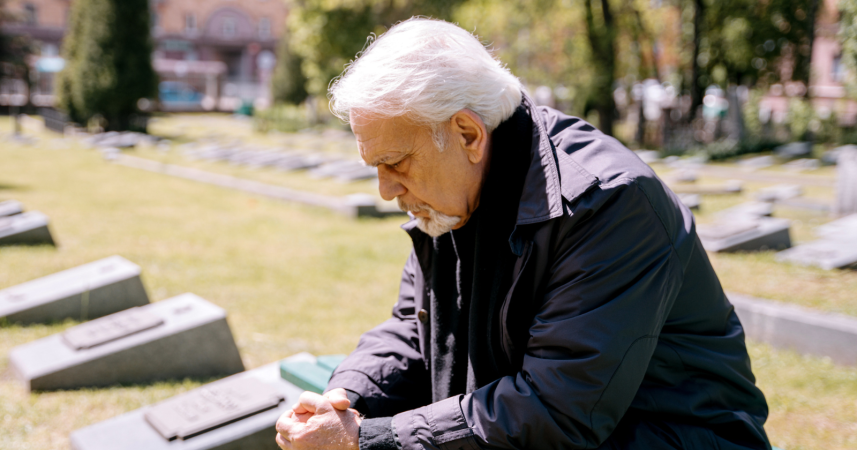
We all know someone who performs toughness while quietly starving for closeness. If you’re that someone, you’re not broken.
I have heard this sentence at family gatherings, in offices, and even in waiting rooms where nobody asked for a speech: “I don’t need anyone.”
It usually lands with a little smile that says, “Please admire me for being tough.”
Somehow, it also lands with a thud because the room goes quiet for half a second, and you can feel people clocking the same thing: this is not confidence.
This is armor.
Have you ever watched someone declare their independence like it is a badge, while their eyes beg for someone to stay a little longer?
I have and, if I’m honest, I’ve been that person too, just in a different outfit:
Independence can be a shield
There’s a reason this shows up so often with older adults, especially those who were praised for being “strong” and “self-sufficient” their whole lives.
A lot of boomers were raised in a culture that treated need as weakness.
If you were struggling, you handled it privately; if you were hurting, you powered through.
To be fair, that mindset helped many people survive real hardship but survival habits can overstay their welcome.
What looks like independence on the outside can be a shield on the inside; a way to avoid the risk of being disappointed, away to avoid feeling like a burden, or away to keep the control that comes from never having to ask.
If you never need anyone, nobody can let you down, right?
The problem is that the shield keeps out the good stuff too: Support, warmth, and the tiny everyday moments that make you feel human.
So, the person who says “I don’t need anyone” may be announcing a long history of not feeling safe needing people.
What that sentence is really saying
When I hear “I don’t need anyone,” I mentally translate it into a few possible subtitles:
- “I don’t want to owe anyone.”
- “I don’t trust anyone.”
- “I’m not sure anyone would show up anyway.”
- “I’ve been disappointed before, and I don’t want to feel that again.”
Sometimes it also means, “I’m proud of how much I’ve survived,” which is a real and valid feeling.
However, pride can sit right next to grief.
Here’s the part that gets uncomfortable: Needing people is a biological fact.
We’re wired for connection, even the most introverted among us still needs some version of belonging.
Maybe not a huge friend group, maybe not constant texting, but something.
When someone insists they need nobody, I start wondering what need they’ve been shamed for in the past.
Were they called dramatic when they asked for comfort? Were they told to stop being “too sensitive”? Did they carry a family for decades and decide never again? Or did they build an identity around being the one who handles everything, and now they don’t know who they are without that role?
If you recognize yourself here, try this question on gently: What would it cost me to admit I want support?
And another one, even gentler: What has it already cost me to pretend I don’t?
The loneliness everyone can sense
Loneliness has a smell to it but, socially, it’s something people pick up on fast because humans are built to notice disconnection.
You can often tell when someone is lonely by how they manage the room.
They might dominate the conversation but never share anything personal, they might make jokes that land a little sharp, or they might hover near the group—half in, half out—waiting for an invitation they’d never accept because accepting would mean admitting they wanted it.
What makes it especially noticeable is the mismatch between the words and the body language:
- The mouth says, “I’m fine.”
- The shoulders say, “Please don’t leave.”
- The eyes say, “Do you still see me?”
Here’s the kicker: When someone repeatedly rejects small bids for connection, people stop trying.
Out of self-protection.
If every invitation gets met with “I’m good,” eventually you start believing them.
That’s how someone can become the loneliest person in the room while insisting they’re the most independent.
They taught everyone else how to treat them.
The hidden cost of being “low maintenance”

I used to work in a corporate environment where being “low maintenance” was basically a love language.
Don’t ask questions, don’t need help, and don’t make it emotional.
Just produce.
That mindset is great for spreadsheets, yet it’s terrible for a life because relationships don’t deepen through performance.
They deepen through exchange.
I see this a lot when I’m volunteering at farmers’ markets.
The people who look the most put-together are sometimes the ones who can’t accept a simple kindness.
Someone offers to carry a heavy box and they immediately say, “No, no, I’ve got it.”; someone offers them an extra bunch of greens and they refuse like it’s a trap.
It’s like they’ve confused receiving with being weak, but here’s what they don’t realize: When you never let people show up for you, you deprive them of one of the best feelings in the world.
Being trusted, useful, and part of someone’s life.
Interdependence is also others needing you, and both of you being allowed to play both roles.
If you’re always the hero, you stay alone on the pedestal and pedestals are quiet.
Why it hits harder later in life
This dynamic tends to get louder with age for a simple reason.
Life gets narrower if you don’t actively protect your connections, work friends retire or drift, and kids grow up and build their own routines.
Bodies change, energy changes, and mobility changes; if your whole identity was built around “I can handle it,” then the moment you can’t handle it the same way can feel like a personal failure.
Instead of adjusting, some people double down.
They push people away before people can choose to leave, they reject help before help can turn into disappointment, and they keep saying “I don’t need anyone” because it’s easier than saying, “I’m scared I won’t matter.”
Loneliness is about feeling unseen, unchosen, or unnecessary.
That fear can make people behave in ways that create the exact outcome they dread.
How to practice interdependence without losing yourself
If the idea of “needing people” makes your skin crawl, I get it.
Let’s start with choice: Interdependence can be a skill you practice, not a personality you suddenly adopt.
You don’t have to spill your life story to anyone or become emotionally expressive overnight, because you just have to create a few doors instead of walls.
One thing that helps is making small asks that are low-stakes but real.
More like:
- “Can you recommend a good mechanic?”
- “Can I run something by you for two minutes?”
- “Would you mind checking if I’m overthinking this?”
Notice how those asks do something important as they let someone step toward you.
Another practice is learning to accept help without rushing to repay it immediately.
Some people reject support because they hate the feeling of debt.
So, they try to pay it back fast, which keeps things transactional.
Try a different response: “Thank you, that actually helps.”
Full stop, just letting the help land.
If you want an even smaller start, try sharing one honest sentence when someone asks how you are, such as “Honestly, it’s been a long week,” and “I’ve been feeling a little off lately.”
That’s it, connection often begins with permission.
If you’re the one hearing it, here’s what to do
Maybe you’re reading this because someone in your life says this kind of thing all the time.
A parent, an older coworker, or a relative who makes independence their whole brand.
It’s tempting to argue with them—to say, “Yes you do need people,”—but that usually triggers the shield.
A softer move is to respond to the emotion under the words.
You can try: “I hear you. You’ve handled a lot on your own,” or “You don’t have to do everything alone with me.”
The goal is to make connection feel safe.
Also, keep offering small, concrete invitations instead of big emotional talks:
- “Want to grab coffee this week?”
- “I’m heading to the market Saturday. Want to come with?”
- “Can I drop off some soup?”
Small, specific, easy to accept; if they say no, don’t punish them with silence.
Stay warm, and stay consistent.
Sometimes, people need proof that closeness won’t cost them their dignity.
A quiet experiment for this week
If any part of this hit a nerve, try this little experiment for the next seven days: Once a day, let yourself need something out loud.
It can be tiny, like asking a neighbor for a recommendation or texting a friend first instead of waiting.
Watch what happens in your body: Do you feel embarrassed? Irritated? Relieved?
Do you want to minimize it, joke it away, change the subject?
That reaction is data, not drama.
It tells you where the old conditioning lives.
If you’re on the other side of this, if you’ve been the person who says “I don’t need anyone,” try ending your day with one question: Where did I push connection away today?
No shame, because awareness is how you start choosing differently.
We all know someone who performs toughness while quietly starving for closeness and, if you’re that someone, you’re practiced.
You learned how to survive, and now you can learn how to let people in.
Real strength is being able to say, “I could use you,” and trusting that you’re still worthy either way.
What’s Your Plant-Powered Archetype?
Ever wonder what your everyday habits say about your deeper purpose—and how they ripple out to impact the planet?
This 90-second quiz reveals the plant-powered role you’re here to play, and the tiny shift that makes it even more powerful.
12 fun questions. Instant results. Surprisingly accurate.