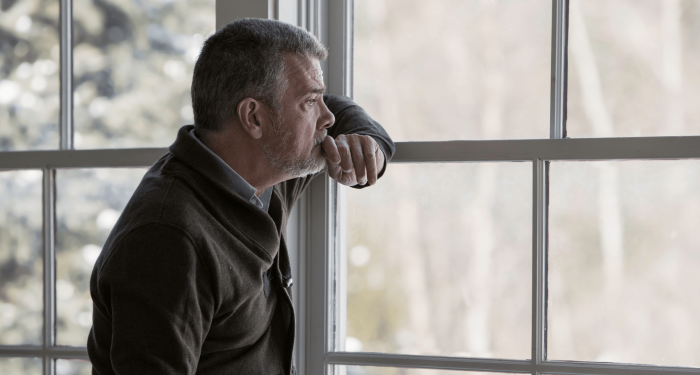
Growing up, so many everyday experiences felt completely ordinary, from being unreachable for hours to letting boredom stretch on without a solution. Looking back now, those same moments feel almost unbelievable to explain, revealing just how quickly our definition of “normal” can change and how deeply it shapes the way we live today.
There are moments when I catch myself telling a story from my childhood and suddenly realize the person listening is staring at me like I’ve just described life before electricity.
What once felt completely ordinary now sounds strange, outdated, or even slightly absurd.
That realization always makes me pause.
Not because one era is better than another, but because it shows how quietly and thoroughly the rules of everyday life can change.
Growing up, we didn’t analyze our habits. We just lived them.
Only later do we see how much those small, normal moments shaped the way we relate to time, freedom, and each other.
Here are nine things that felt entirely unremarkable back then, yet now require a surprising amount of explanation.
1) Being unreachable for long stretches of time
There were hours, sometimes entire days, when no one could get in touch with you, and that was not considered a problem.
You left the house, did your thing, and returned later with stories instead of timestamps.
No one tracked your location or expected updates. The absence of constant communication didn’t feel like neglect, it felt like trust.
Now, being unreachable for even a short period can raise eyebrows or spark concern.
Explaining that silence once meant normalcy, not emergency, feels almost surreal.
2) Memorizing phone numbers without thinking twice
Phone numbers lived in your head, not in a device. You knew your own, your best friend’s, your grandparents’, and probably a few neighbors’ numbers too.
If you didn’t memorize it, you didn’t call it. That was the rule.
Today, most of us rely entirely on digital memory.
The idea that children once trained their brains to store strings of numbers sounds oddly impressive now, even though it was just part of daily life.
3) Being bored and letting boredom run its course
Boredom was a frequent visitor, and it wasn’t treated like something to fix immediately.
You complained about it, sure, but then you were expected to figure something out on your own.
Sometimes that led to creativity. Sometimes it led to staring out a window longer than you’d like to admit.
There was no instant escape hatch. That empty space taught patience and imagination in ways we rarely acknowledge.
4) Watching whatever happened to be on television
You didn’t choose content, you accepted it. If the TV was on, you watched what was playing or you turned it off.
Shows aired at specific times, and missing an episode meant you might never see it. That scarcity made viewing feel like an event rather than background noise.
Trying to explain appointment television to someone raised on streaming often sounds like describing a completely different universe.
5) Not having immediate answers to every question

If a question came up, you might wonder about it for days. You asked someone later, checked an encyclopedia, or just moved on without ever knowing.
And somehow, that uncertainty didn’t feel uncomfortable. It felt normal.
Today, answers arrive instantly, which is incredible, but it also changes our relationship with curiosity.
Back then, not knowing something didn’t feel like a failure, it felt like part of being human.
6) Making mistakes without them being permanently documented
You could mess up, embarrass yourself, or go through awkward phases without evidence surviving you. Once the moment passed, it stayed in memory rather than online.
There were no photos uploaded without your consent or videos resurfacing years later. Mistakes faded naturally as time moved on.
Explaining that privacy used to be the default rather than something you actively protect often feels shocking to younger listeners.
7) Talking to strangers without overthinking it
Casual conversations with strangers were common and largely unremarkable. You chatted in lines, asked for directions, or exchanged small talk without suspicion.
That doesn’t mean people were naive or reckless. It just means social interactions weren’t automatically filtered through fear.
Now, every interaction carries more layers of awareness. Looking back, that ease of connection feels almost foreign.
8) Learning things by trial and error instead of tutorials
If you wanted to learn how to do something, you tried and hoped for the best. You made mistakes, adjusted, and learned as you went.
There wasn’t a video explaining the perfect method before you began. Learning was messy and often inefficient.
Today, guidance is everywhere, which can be incredibly helpful, but it also removes the quiet confidence that comes from figuring things out on your own.
9) Believing adulthood would come with certainty
As kids, we assumed adults had answers. We believed there was a moment when confusion disappeared and clarity took over.
No one told us that uncertainty doesn’t magically end. It just changes shape.
Explaining to younger generations that doubt, questioning, and self-reflection remain constant companions in adulthood often surprises them, but it’s one of the most honest truths we can offer.
Final thoughts
When I reflect on these moments, I don’t feel the urge to declare one time better than another.
What I feel instead is curiosity about how these shifts quietly reshape us.
Each version of normal teaches different skills, different values, and different ways of relating to the world. None of them are neutral.
Remembering what once felt ordinary helps us understand why we crave freedom, space, and connection the way we do now.
It also reminds us that today’s normal will someday need explaining too.
What’s Your Plant-Powered Archetype?
Ever wonder what your everyday habits say about your deeper purpose—and how they ripple out to impact the planet?
This 90-second quiz reveals the plant-powered role you’re here to play, and the tiny shift that makes it even more powerful.
12 fun questions. Instant results. Surprisingly accurate.