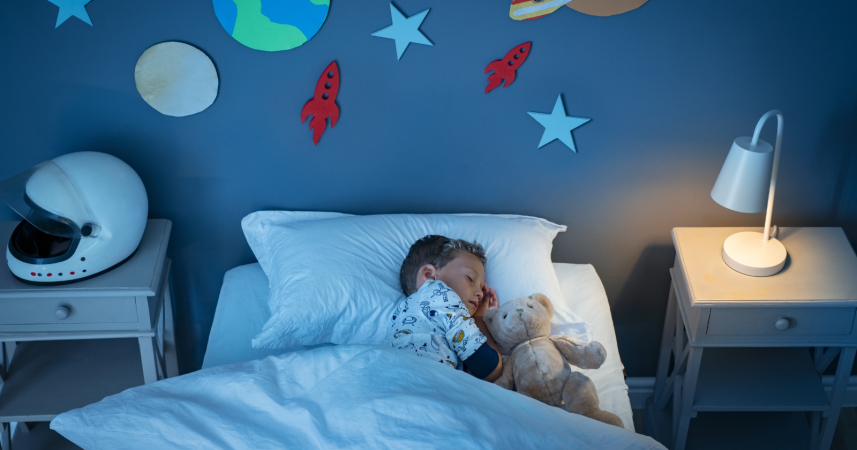
Your childhood room was your first world. Understanding it now is simply another way of understanding yourself.
Childhood bedrooms are strange little time capsules.
We rarely think about them as adults, yet when the memories come back, they tend to be incredibly specific.
The color of the walls. The posters. The clutter. The quiet.
And here is the thing I have noticed.
Those memories are not random.
They reveal patterns about what our families valued, sometimes more honestly than anything they ever said out loud.
So today I want to explore eight things people remember about their childhood room and what those memories quietly say about the environment they grew up in.
Let us dive in.
1) The amount of space you had
Have you ever noticed how people describe their childhood bedroom with words like tiny, cozy, huge, or spacious?
It is rarely about the actual measurements.
It is about how that space felt.
A small room can hint at a family working within limitations.
That does not mean it was a bad environment.
Sometimes the smallest rooms held the most warmth.
But the memory of never having enough room often shows up in adults who now value open layouts, minimal belongings, or just the ability to breathe freely.
On the other hand, people who grew up with large bedrooms often recall feeling independent early on.
They had territory that was fully theirs.
My own room in California was not big at all, but it had a corner that became my entire creative universe.
I kept stacks of music magazines there along with piles of burned CDs from my blogging days.
That corner taught me something important.
Even in limited spaces you can create worlds of your own.
2) What was allowed on the walls
Posters, artwork, magazine clippings, collages, or maybe nothing at all.
People remember this one with surprising clarity.
If you were allowed to fill the walls with anything you liked, your family probably valued self-expression.
They wanted you to explore interests even if the result was a little chaotic.
I meet adults all the time who still feel a spark of joy when they hang art because it mirrors that early permission to be themselves.
If your parents were strict about what you could put on your walls, that usually signals a home that valued order, neatness, or presentation.
Some families simply cared a lot about keeping things tidy or preserving the look of the house.
Neither approach is right or wrong. They just reveal different priorities.
A friend of mine still talks about how her parents would not let her tape anything to the wall because it might leave marks.
Today her home looks like a mini museum.
She is reclaiming a freedom she did not have as a kid.
3) The condition of the furniture
Old furniture passed down from relatives.
Perfectly matched bedroom sets.
DIY fixes. Sparse rooms. Overflowing rooms.
Whatever you had, you remember it.
Furniture often reflects a family’s approach to spending, practicality, and stability.
I once visited a home where the kids had sturdy pieces that had clearly survived decades.
The parents valued durability over trends and the kids grew up adaptable and unbothered by imperfection.
Some people remember getting brand new bedroom sets when they reached a certain age.
That usually signals a family that valued milestones or appearances.
If the furniture was broken or patched together, that can reveal financial strain or simply a household where other needs always came first.
Adults who grew up in those spaces often either invest heavily in their homes now or barely think about decor at all.
4) How tidy or messy it was expected to be
Every family has a different standard for what counts as clean.
Were you expected to keep the room spotless?
That often reflects structure and discipline or a concern about how the family appeared to outsiders.
Was your room allowed to be messy without comments?
That usually signals a household that valued autonomy or one where other challenges took priority over tidiness.
Many people remember the feeling of being scolded for a messy room long after they forget the actual mess.
Those emotions shape adulthood.
Some people become highly organized.
Others go the opposite direction because clutter feels like freedom.
My own room fell somewhere in the middle.
My parents did not care about piles of notebooks or guitar cables as long as I did not let dishes gather.
That balance stuck with me.
Clean but not sterile. Creative but still functional.
5) Whether it felt private or shared
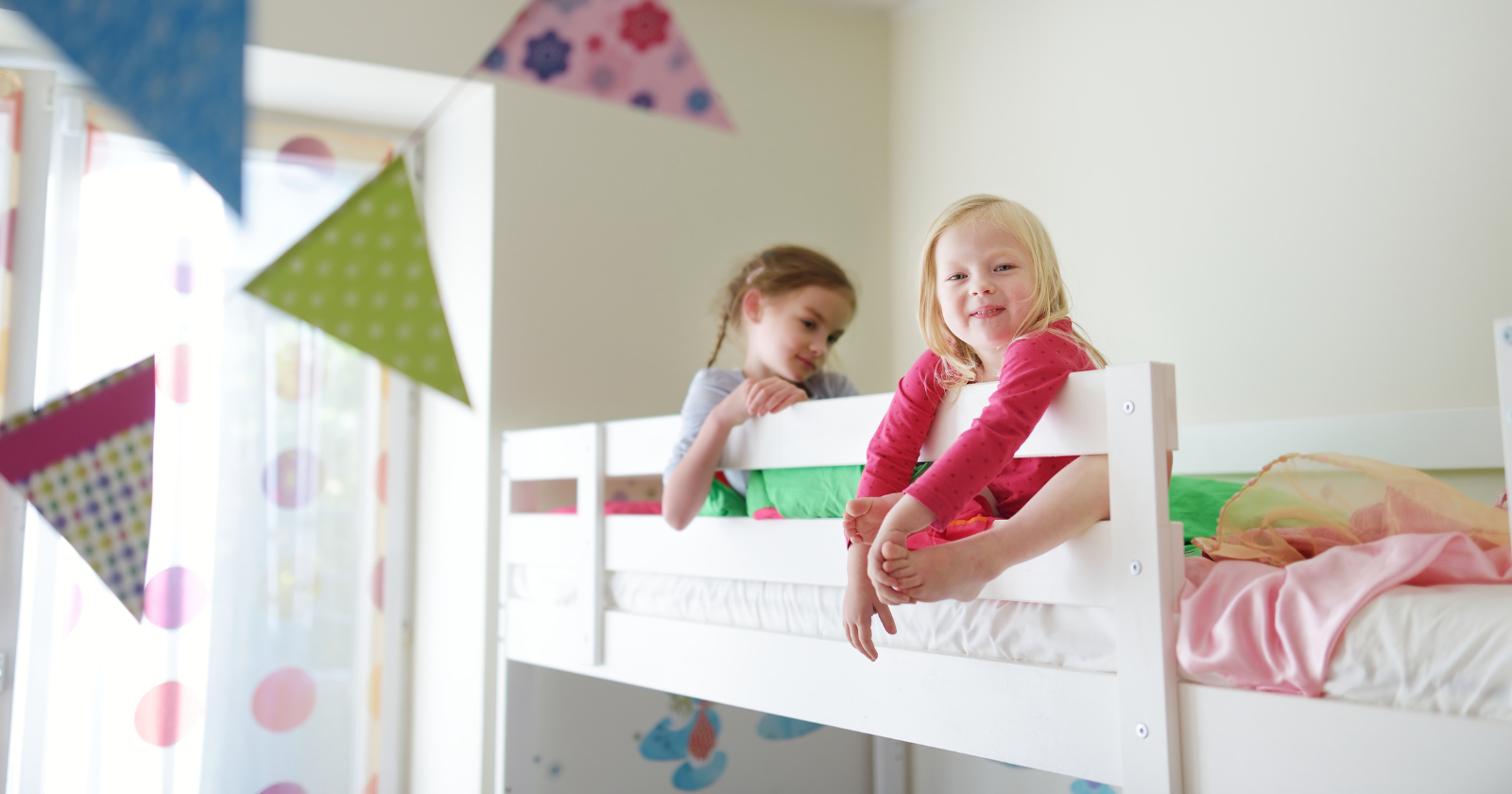 Sharing a room is its own emotional story.
Some siblings loved the late night whispering and constant companionship.
Others craved privacy they never got.
Those experiences shape boundaries in adulthood in ways most people never connect back to childhood.
Having a private room, even a small one, signals a family that valued personal space.
Sharing a room can mean many things.
Limited space. Cultural norms. A big family in a modest home.
However it happened, sharing teaches lessons about cooperation and compromise.
Or it teaches people how to build invisible boundaries inside a single shared space.
If you grew up sharing a room, you might now guard your quiet time.
Or you may love communal living because it reminds you of home.
6) What was stored in your room besides your own belongings
This one often surprises people because they forget it mattered.
Did your childhood room double as storage for holiday decorations, old electronics, boxes, or overflow from other parts of the house?
If so, that usually means the household had limited space or valued practicality more than personal boundaries.
Kids who grew up in rooms that doubled as storage often carry a sense of having to work around everyone else’s needs.
If your room stored nothing but your own things, that usually reflects a family who saw your space as truly yours.
I know adults who now fiercely protect their living spaces because they spent childhood feeling like they never had a room that fully belonged to them.
7) The presence or absence of books, toys, or creative supplies
Think about what filled the room that was not strictly required.
A shelf full of books suggests a family that valued learning.
Art supplies, instruments, or building kits show creativity was encouraged.
A room full of toys can reflect a focus on play or comfort.
A room with only the basics can mean many things.
Financial limitations. Minimalist values. A household that invested in other priorities like sports or travel. Survival mode.
One of my strongest memories is from a stack of used photography magazines my mom brought home from library sales.
They cost almost nothing but they shifted my world.
Those pages pulled me into a passion that still shapes my life.
Little things matter more than we think.
8) How safe or comforting the room felt
This one is universal.
People remember the feeling of their childhood room more than its appearance.
Did your room feel like a safe place to retreat?
That reflects emotional stability in the home.
Did it feel tense or unpredictable?
Some remember listening for arguments in the hallway or waiting for a stressed parent to get home.
Those experiences shape adults who become hyperaware or deeply empathetic.
Did it feel lonely?
That might reflect early independence or a family that was often busy or absent.
Safety does not mean nothing ever went wrong.
It simply means the room felt like yours and that you had some control over the environment.
And if you did not have that feeling, there is a good chance it influences the kind of space you create for yourself today.
The bottom line
Most people never look back at these details until they find themselves decorating a new apartment or choosing colors for their own kids rooms.
But your childhood bedroom reveals far more than you might expect.
It reflects what your family valued, what they protected, what they overlooked, and what they hoped for.
Whether you recreate those elements today or intentionally move in the opposite direction, the insight is useful.
Your childhood room was your first world. Understanding it is simply another way of understanding yourself.
What’s Your Plant-Powered Archetype?
Ever wonder what your everyday habits say about your deeper purpose—and how they ripple out to impact the planet?
This 90-second quiz reveals the plant-powered role you’re here to play, and the tiny shift that makes it even more powerful.
12 fun questions. Instant results. Surprisingly accurate.