
From the moment visitors step through your door, tiny details like where you keep your paper towels and which books line your shelves broadcast your entire socioeconomic history—and there's absolutely nothing you can do to stop it.

Add VegOut to your Google News feed. 
Ever walk into someone's home and instantly feel like you know them? I learned this lesson the hard way when I invited my new boss over for dinner years ago.
Within minutes of stepping through my door, she made three observations that told her exactly where I came from, and no amount of professional success could disguise it.
She noticed my mother's old teaching awards displayed on the bookshelf, commented on the perfectly alphabetized spice rack, and pointed out the stack of financial magazines arranged by date on my coffee table. "You grew up with achiever parents, didn't you?" she said with a knowing smile.
That moment haunted me for weeks. Not because I was ashamed of my background, but because I realized how much our homes reveal about us before we even open our mouths. After two decades analyzing financial patterns and human behavior, I've discovered that certain details in our living spaces broadcast our class background louder than any resume or designer handbag ever could.
The truth is, people form impressions within seconds, and your home tells a story you might not even realize you're sharing. Here are the ten things visitors notice immediately that reveal exactly where you come from.
1) The books on display (or lack thereof)
Walk into any home and your eyes naturally scan for books. But here's what most people don't realize: it's not just about having books, it's about which books and how they're displayed.
Growing up, my parents' shelves groaned under the weight of encyclopedias, classic literature, and academic journals. When I helped them downsize recently, I found myself sorting through decades of National Geographic magazines and scholarly texts neither of them had touched in years. Yet they couldn't bear to throw them away.
Upper-middle-class homes often feature carefully curated book displays, while working-class homes might have practical guides or popular fiction tucked away. The complete absence of books? That tells its own story. And those color-coordinated book spines arranged for Instagram? Dead giveaway of new money trying to project old money taste.
2) The condition of your entryway shoes
You know what I noticed when I started paying attention? The state of shoes by the door reveals everything.
Worn work boots lined up neatly? Blue-collar pride. A jumble of designer sneakers that have never seen a gym? New money. Practical, well-maintained footwear in modest brands? Middle class all the way.
And if there's a specific shoe rack or cubby system with labels? Someone grew up with parents who valued order above all else. Guilty as charged on that last one.
3) What's on your refrigerator
The refrigerator tells tales you never intended to share. Is it covered in family photos, children's artwork, and appointment reminders? That screams middle to working class, where the kitchen is command central.
Completely bare stainless steel? Either minimalist design sensibility or someone who grew up with "public" and "private" spaces clearly defined. Multiple takeout menus? Different story altogether. During my analyst days, a colleague once told me she could predict someone's investment style by their fridge magnets. She wasn't entirely wrong.
4) Your paper towel placement
This one sounds ridiculous until you notice it everywhere. Where do you keep your paper towels?
Counter-top holder in plain sight suggests practical, middle-class upbringing where function beats form. Hidden inside a cabinet? Upper-class sensibilities where visible utility items are considered tacky.
Buying in bulk from Costco and storing the extras in the garage? Working-class wisdom about stocking up when there's a deal. No paper towels at all, just cloth napkins and reusable towels? Either environmental consciousness or old money habits. Sometimes both.
5) The bathroom hand towel situation
Here's something I've observed after countless home visits: bathroom towels are class markers hiding in plain sight.
Matching, monogrammed hand towels that clearly never get used? Upper class. One slightly damp towel that everyone actually uses? Middle class practicality. Paper towels in the bathroom? Often working class or young professionals who haven't learned the "proper" way yet.
The presence of "guest towels" versus "family towels" speaks volumes about whether someone grew up with formal and informal spaces.
6) What's hanging on your walls
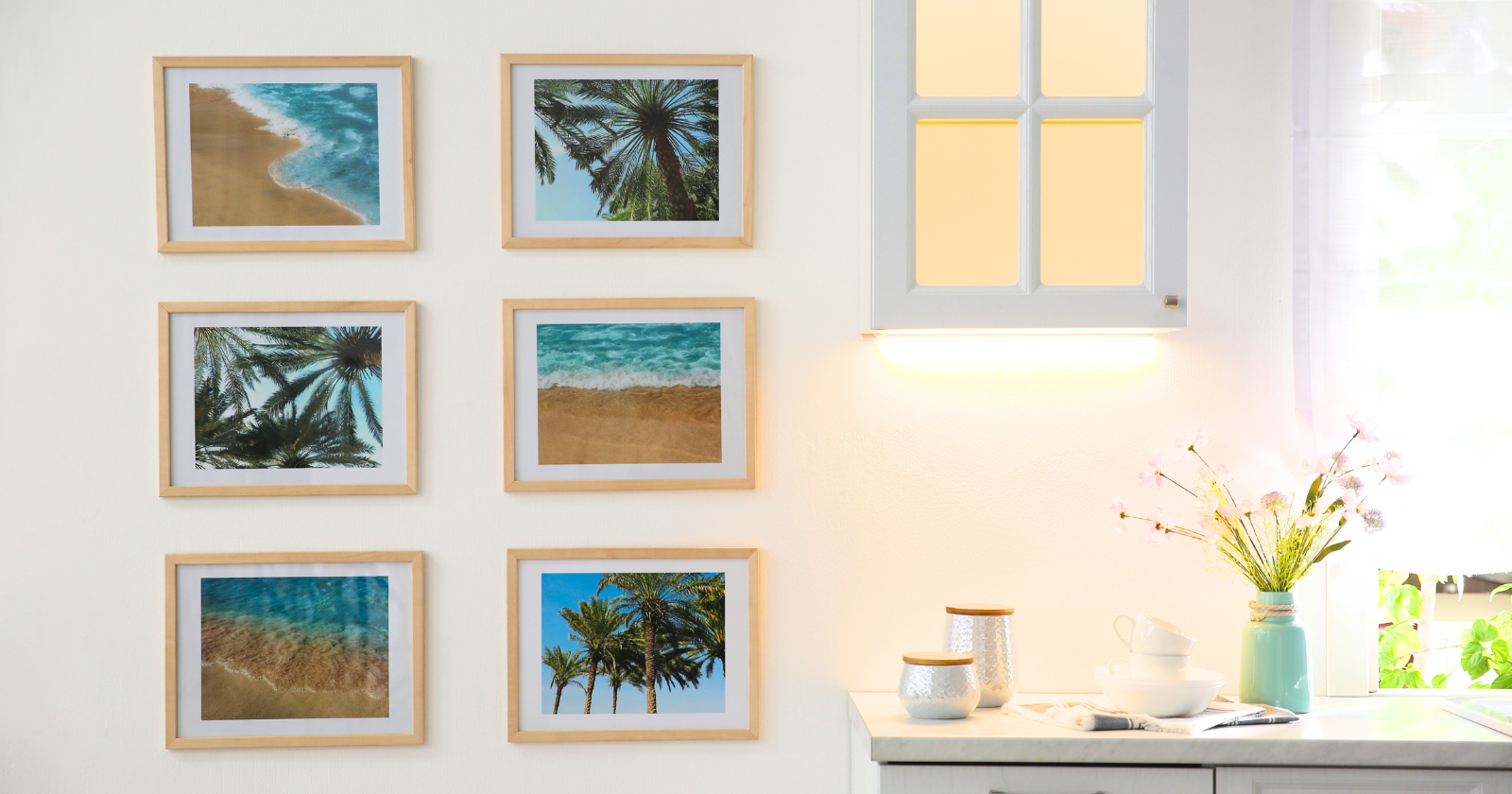
Art choices are autobiography. Family photos in mismatched frames? Middle and working class. Professional portraits in matching frames? Upper-middle class. Original art with gallery labels still attached? New money wanting you to know it. Actual art without labels? Old money.
Mass-produced prints from Target? Nothing wrong with it, but it tells a story. Empty walls? Either just moved in, minimalist, or grew up without the concept that walls need decoration. My childhood home had exactly three things on walls: diplomas, awards, and school photos. Achievement was our only aesthetic.
7) How you display (or hide) technology
Your TV placement reveals your background faster than you'd think. Mounted on the wall with hidden cables? Upper-middle class or above. Sitting on an entertainment center surrounded by gaming consoles and cables? Middle class comfort with technology as part of life.
Old TV in a wooden cabinet? Either older generation or working-class practical. Multiple TVs throughout the house? New money. No TV in the living room at all? Old money or academic family. My engineer father insisted our single TV be hidden in a cabinet. The message was clear: intellect over entertainment.
8) Your dining setup reality
Does your dining table hold mail, laptops, and last week's Amazon delivery? Or is it perpetually set for a dinner party that never happens?
The truth about dining spaces cuts deep. Formal dining rooms that get used twice a year scream traditional middle to upper class. Kitchen tables covered in daily life? Working to middle class reality.
No dining table at all, just bar stools at a counter? Young professional or new money. And if you have plastic on your furniture? That's a very specific cultural and class marker that broadcasts exactly where your family comes from.
9) The state of your houseplants
Plants reveal more than you'd expect. Thriving fiddle leaf fig or monstera? Upper-middle class with time and resources for high-maintenance greenery. Plastic plants? Often working class practicality or someone who grew up without the luxury of keeping things alive for beauty alone.
Herbs growing in the kitchen? Middle class functionality. Orchids? Upper class or aspiring to be. Dead plants still sitting there? That's its own category of honest chaos. No plants at all might mean allergies, or it might mean someone who never learned that plants were part of making a house a home.
10) Your cleaning supplies visibility
Where do you keep your vacuum? If it's tucked away in a dedicated closet, you probably grew up upper-middle class or above. Leaning against the wall in a bedroom? Middle class reality. In the kitchen or living room corner? Working class practicality where every space serves multiple purposes.
Same goes for cleaning supplies. Under the sink in organized caddies? Middle class organization. Fancy bottles decanted into matching containers? Upper class aesthetic priorities. Industrial-size supplies from Costco? Smart working to middle-class budgeting.
The visibility of your cleaning tools tells the story of whether keeping house was seen as work to hide or life to live.
Final thoughts
After years of observing these patterns, here's what I've learned: every single one of these markers is neutral. There's no shame in any class background, and trying to hide yours only makes it more obvious. Your home tells your story whether you want it to or not.
The real question isn't how to disguise where you came from, but whether you're comfortable with who you are now. That boss who read my entire childhood in my spice rack? She grew up working class and spotted my middle-class anxiety immediately.
We laughed about it over wine that night, comparing our different upbringings and what we'd carried forward.
Your home will always whisper your history. Instead of trying to silence it, maybe it's time to own your story, paper towels and all.
What’s Your Plant-Powered Archetype?
Ever wonder what your everyday habits say about your deeper purpose—and how they ripple out to impact the planet?
This 90-second quiz reveals the plant-powered role you’re here to play, and the tiny shift that makes it even more powerful.
12 fun questions. Instant results. Surprisingly accurate.












