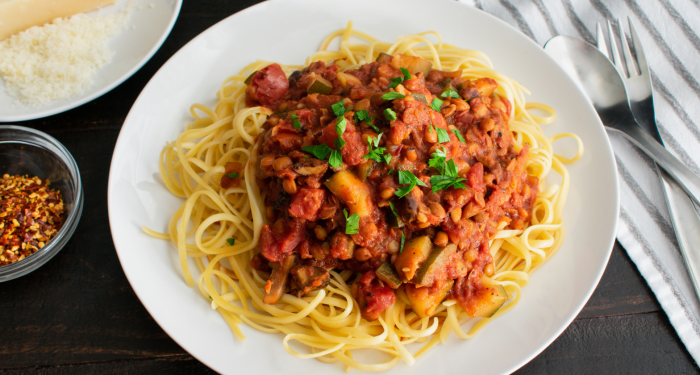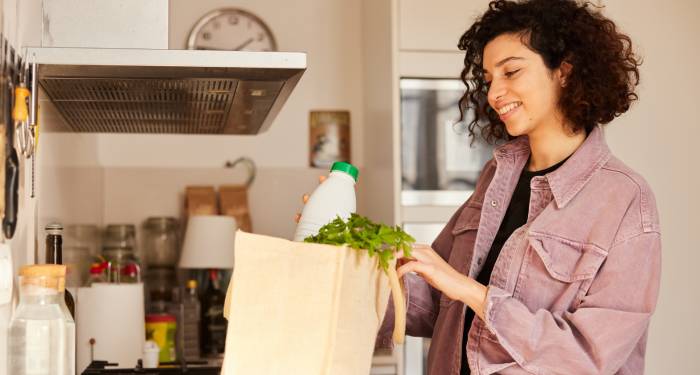
I spent seven days recording every grocery receipt, every impulse buy, and every forgotten pantry staple to answer the question people always ask me about plant-based eating.
When I worked in finance, I tracked everything. Portfolio performance, quarterly projections, risk assessments. Numbers told stories that feelings couldn't.
So when people started asking me whether eating vegan was expensive, I realized I'd never actually applied that same rigor to my own grocery spending.
Last month, I decided to change that. For one full week, I documented every dollar I spent on food. Not an idealized version of my eating habits, but the real thing: the planned meals, the emergency snacks grabbed at the corner store, the fancy oat milk I probably didn't need.
What I discovered surprised me, and it might surprise you too.
The setup: how I tracked my spending
I used a simple spreadsheet with three columns: item, cost, and category. Categories included produce, grains and legumes, proteins (tofu, tempeh, seitan), dairy alternatives, snacks, and miscellaneous. I saved every receipt and photographed anything I bought with cash.
For context, I live in a mid-sized city with access to both conventional grocery stores and a weekly farmers market. I cook most meals at home, though Marcus and I usually order takeout once a week. That takeout meal wasn't included in this experiment since I wanted to focus specifically on groceries and home cooking.
Day one through three: the big shop and early surprises
My week started with a Sunday grocery run totaling $67.43. This covered the bulk of my planned meals: dried chickpeas, brown rice, a block of extra-firm tofu, seasonal vegetables, bananas, frozen berries, and pantry restocks like nutritional yeast and tahini.
The tahini alone was $8.99, which felt steep until I remembered it would last me at least a month.
By Wednesday, I'd made a second smaller trip for fresh greens and bread, adding $12.87. I also grabbed a $4 kombucha at a cafe near my running trail, which I noted with slight embarrassment. These small purchases add up faster than we think, don't they?
The middle stretch: where meal prep pays off
Thursday and Friday required no spending at all. This is where batch cooking showed its value. Sunday's big pot of chickpea curry, the grain bowl components I'd prepped, and a container of homemade hummus carried me through without any temptation to buy lunch out.
I've noticed that the weeks I spend more on food are almost always the weeks I've failed to plan. When the fridge is full of ready-to-eat options, the $15 lunch salad from the place down the street loses its appeal.
According to the USDA's food spending data, Americans spend roughly half their food budget on meals away from home. Meal prep is one of the simplest ways to shift that balance.
Weekend spending and the final tally
Saturday brought another farmers market visit: $18.50 for local tomatoes, zucchini, fresh herbs, and a loaf of sourdough from my favorite baker.
Could I have gotten these items cheaper at a conventional store? Probably. But supporting local vendors matters to me, and the quality difference is noticeable.
My final total for the week: $103.80. That breaks down to roughly $14.83 per day, or about $4.94 per meal if you count three meals daily. For comparison, the Bureau of Labor Statistics reports that the average American spends around $8,000 to $10,000 annually on food, which works out to roughly $150 to $190 per week.
What the numbers actually revealed
Here's what struck me most: the expensive items weren't the vegan-specific products. That $8.99 tahini and $5.49 nutritional yeast felt pricey in the moment, but they're pantry staples that last weeks.
The real budget drain came from convenience purchases and impulse buys, things like that kombucha, a bag of fancy tortilla chips I didn't need, and premium bread when a basic loaf would have worked fine.
The foundation of affordable vegan eating isn't complicated. Dried beans, rice, oats, seasonal produce, and simple proteins like tofu form a cost-effective base. The premiums come from processed alternatives, specialty items, and the convenience tax we pay when we don't plan ahead.
Final thoughts
Tracking every dollar taught me something I should have known from my finance days: awareness changes behavior. Simply paying attention made me more intentional. I skipped purchases I would have made on autopilot. I used what I had before buying more.
Is eating vegan expensive? It can be, if you build your diet around processed meat alternatives and premium products. But it doesn't have to be. A week of whole-food, plant-based eating cost me less than two dinners out would have.
The real question isn't whether you can afford to eat this way. It's whether you're willing to pay attention to where your money actually goes.
If You Were a Healing Herb, Which Would You Be?
Each herb holds a unique kind of magic — soothing, awakening, grounding, or clarifying.
This 9-question quiz reveals the healing plant that mirrors your energy right now and what it says about your natural rhythm.
✨ Instant results. Deeply insightful.