
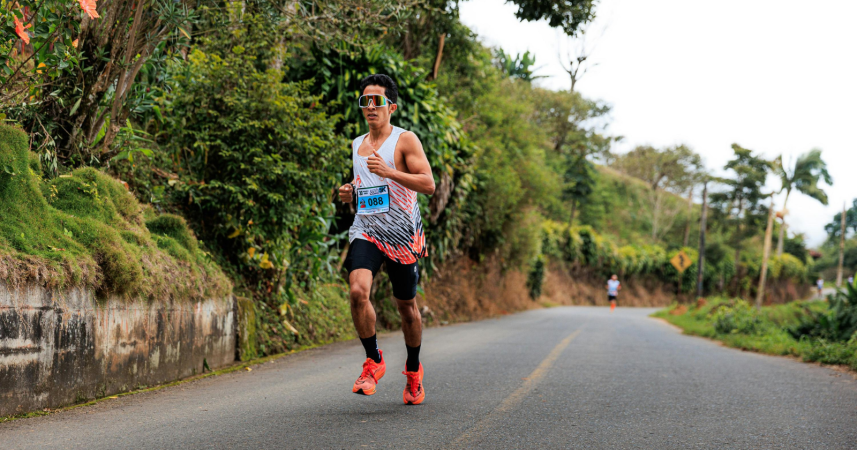
Trading my old fueling habits for a plant-based approach during marathon training taught me that performance isn't about restriction—it's about intention.

Add VegOut to your Google News feed. 
When I signed up for my first marathon at 38, I'd been vegan for three years and running trails for even longer. But there's a difference between logging 25 miles a week on mountain paths and committing to 26.2 miles of sustained effort on pavement. Suddenly, everyone had opinions about my diet.
"You'll need more protein." "Plants can't sustain that kind of training." "At least add eggs back in." The doubt crept in, I'll admit. But I'd spent enough years in finance watching people make fear-based decisions to know that anxiety rarely leads to good choices.
So I did what I do best: I researched, I experimented, and I learned. Here's what four months of plant-based marathon training taught me about fueling a body that's asking for more.
The calorie math changed everything
My first major lesson came two weeks into my training plan when I bonked spectacularly on a 12-mile run. I came home shaky, irritable, and convinced that maybe the skeptics were right. Then I tracked my food for a few days and realized the problem wasn't plants. It was volume.
Plant foods are generally less calorie-dense than animal products, which is great for everyday health but requires adjustment when you're burning an extra 800 to 1,000 calories on long run days. I wasn't eating enough, plain and simple. Once I started adding more whole grains, nut butters, and avocados to my meals, the energy came back.
The lesson? Respect the math. Your body isn't being difficult; it's being honest about what it needs.
Protein timing matters more than protein panic
The protein question followed me throughout training like a persistent shadow. But here's what I discovered: the research on plant-based athletes suggests that total daily protein intake matters more than any single meal, and most runners need less than the fitness industry would have us believe.
I aimed for about 1.4 grams of protein per kilogram of body weight, spread across the day. Tofu scrambles after morning runs. Lentil soup for lunch. Tempeh stir-fries at dinner. I stopped obsessing over complete proteins in every meal and focused instead on variety across the day. My recovery improved, my muscles adapted, and the anxiety faded.
What beliefs about protein are you carrying that might need reexamining?
Carbohydrates became my closest ally
After years of hearing carbs demonized in wellness spaces, marathon training forced me to make peace with them. Carbohydrates are the primary fuel for endurance exercise, and trying to run long distances without adequate glycogen stores is like driving cross-country with a quarter tank of gas.
I leaned into oatmeal, sweet potatoes, rice, and yes, plenty of bread. The night before long runs, I'd have a big bowl of pasta with marinara and nutritional yeast. Race morning meant a bagel with almond butter and banana, eaten three hours before the start. My body responded with consistent energy and fewer mid-run crashes. Sometimes the simplest fuel is the most effective.
Iron and B12 required actual attention
Here's where I'll be honest: some nutrients do require more intentionality on a plant-based diet, especially for endurance athletes. Iron losses increase with high-mileage running, and B12 isn't naturally present in plant foods.
I got bloodwork done at the start of training and again at the halfway point. My iron was on the lower end of normal, so I became more deliberate about pairing iron-rich foods like spinach and lentils with vitamin C sources to boost absorption. I also took a B12 supplement daily, which I'd recommend for any vegan regardless of activity level. This wasn't about my diet being deficient. It was about being a responsible steward of my own health.
Real food outperformed most supplements
The sports nutrition industry wanted me to believe I needed gels, powders, and recovery drinks to survive marathon training. And while I did use some gels during the race itself, my everyday fueling came from whole foods that worked remarkably well.
Medjool dates stuffed with almond butter became my go-to pre-run snack. Homemade energy balls with oats, maple syrup, and chia seeds fueled my mid-week runs. Post-run smoothies with frozen berries, spinach, plant milk, and hemp seeds helped me recover. I spent less money on supplements and more time in my kitchen, which felt aligned with why I went vegan in the first place.
Final thoughts
I crossed that finish line in 4:22, not a record-breaking time but a deeply personal victory. My body had carried me 26.2 miles on nothing but plants, determination, and a willingness to learn. The experience taught me that fueling isn't about following someone else's rules. It's about listening to your own body and responding with curiosity rather than fear.
If you're considering plant-based endurance training, know that it's absolutely possible. It just requires intention, flexibility, and a willingness to adjust when something isn't working. Your body will tell you what it needs. The question is whether you're willing to listen.












