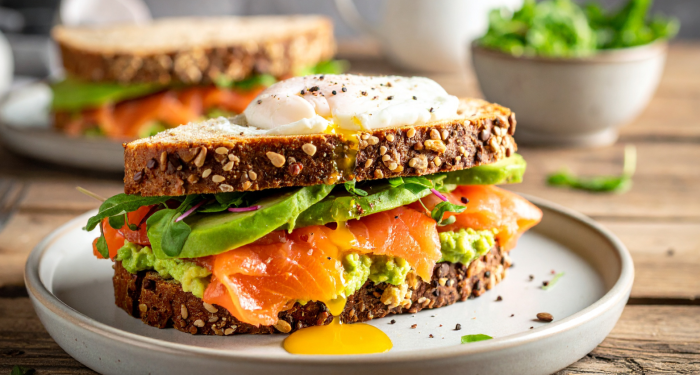
After years of calorie counting and restrictive diets left me exhausted and heavier than ever, shifting my focus from less to more changed everything.
I spent most of my thirties trapped in a cycle that will sound familiar to many of you. Count calories. Restrict portions. Lose weight. Feel deprived. Regain everything plus a few extra pounds. Repeat.
By the time I left my finance career at 36, I was carrying both the weight of burnout and an extra twenty pounds that no amount of willpower seemed to budge.
What finally worked wasn't another diet. It was a fundamental shift in how I thought about food, one that happened to align with my decision to go vegan. But here's what surprised me: the weight loss wasn't really about what I removed from my plate. It was about what I added.
The restriction trap
Looking back at my years of dieting, I can see the pattern so clearly now. Every approach centered on eating less. Smaller portions. Fewer carbs. Limited calories. The underlying message was always the same: your appetite is the enemy, and discipline is the solution.
But willpower is a finite resource. I know this from my years in finance, watching colleagues make increasingly poor decisions as market stress mounted. When we're depleted, whether from work pressure or chronic hunger, our brains default to survival mode. And survival mode doesn't care about your weight loss goals.
Does this cycle feel familiar to you? That exhausting push and pull between what you want to eat and what you think you should eat?
Discovering the power of fiber and volume
When I went vegan at 35, my initial motivation had nothing to do with weight loss. I'd read about factory farming and simply couldn't participate anymore. But something unexpected happened in those first few months: I started eating more food than ever before, and the scale began moving in a direction it hadn't in years.
The science behind this makes sense. Research published in the Journal of the American College of Nutrition found that plant-based diets naturally lead to weight loss, partly because whole plant foods are less calorie-dense while being more filling.
A massive bowl of roasted vegetables, beans, and quinoa might have fewer calories than a modest serving of cheese and crackers, but it leaves you genuinely satisfied.
I stopped feeling hungry all the time. That alone was revolutionary.
Protein myths and what actually matters
One of my biggest fears about going plant-based was protein. Would I lose muscle? Would I feel weak? These concerns kept me hesitant for months before I finally made the switch.
What I discovered was that I'd been overcomplicating things. Between lentils, chickpeas, tofu, tempeh, and whole grains, I was easily meeting my protein needs without obsessing over every gram. Studies have shown that well-planned plant-based diets provide adequate protein for most people, including athletes.
Now, as someone who runs 20 to 30 miles weekly on trails, I can tell you my energy and recovery have never been better. The key wasn't finding perfect protein combinations at every meal. It was simply eating a variety of whole plant foods throughout the day.
The unexpected role of gut health
Here's something I didn't anticipate: the changes in my digestion. Within weeks of eating more plants, everything in that department improved dramatically. And it turns out this isn't just about comfort. It's connected to weight management in ways scientists are still uncovering.
The fiber in plant foods feeds beneficial gut bacteria, and emerging research from Harvard Health suggests these microbes influence everything from metabolism to hunger hormones. When I started eating 40 to 50 grams of fiber daily, up from maybe 15 on my previous diet, my cravings for processed foods genuinely diminished.
It wasn't discipline. My body simply stopped asking for things that didn't serve it.
Building meals around abundance
The practical shift that made all the difference was learning to build meals around abundance rather than restriction. Instead of asking "what should I avoid?" I started asking "what can I add?"
Breakfast became a huge smoothie bowl loaded with frozen berries, spinach, banana, and hemp seeds. Lunch was a grain bowl piled high with roasted vegetables and tahini dressing. Dinner featured big stir-fries, hearty soups, or pasta with vegetables taking center stage.
I stopped measuring portions because I didn't need to. When you're eating primarily whole plant foods, your body's natural hunger and fullness signals actually work. What a concept, right? Have you ever noticed how easy it is to overeat processed foods, but how naturally you stop when eating a plate of vegetables and beans?
Final thoughts
Five years into this way of eating, I've maintained a weight that feels natural and sustainable without once counting a calorie or feeling deprived. More importantly, my relationship with food has transformed from adversarial to nourishing.
If you've spent years fighting your appetite, I want you to consider a different possibility. Maybe your body isn't the problem. Maybe it's been asking for something that restriction-based diets could never provide: genuine nourishment, real satisfaction, and enough fuel to thrive.
The plant-based approach that worked for me wasn't about eating less. It was about finally eating enough of the right things. And that shift, from scarcity to abundance, changed everything.
What’s Your Plant-Powered Archetype?
Ever wonder what your everyday habits say about your deeper purpose—and how they ripple out to impact the planet?
This 90-second quiz reveals the plant-powered role you’re here to play, and the tiny shift that makes it even more powerful.
12 fun questions. Instant results. Surprisingly accurate.