Budget vegan eating doesn't have to mean endless rice and beans; here's how to build variety into your meals without breaking the bank.
When I first went vegan at 35, I was still in finance, still making good money, and still able to throw whatever I wanted into my grocery cart without flinching.
Then I left that career, started writing, and suddenly found myself staring at my bank account with the same scrutiny I once reserved for quarterly reports. The question wasn't whether I could afford to eat vegan. It was whether I could afford to eat vegan well.
Here's what I've learned after years of making it work: eating plant-based on a budget doesn't require martyrdom or monotony. It requires strategy.
And honestly? Some of the most creative, satisfying meals I've ever made came from constraints, not abundance. Let me walk you through how to build genuine variety into your vegan meals without watching your grocery bill climb.
1) Master the art of the cheap protein rotation
Yes, beans and lentils are budget staples for good reason. But if you're eating the same black bean tacos every Tuesday, you're going to burn out. The trick is treating legumes like a rotating cast of characters, not a single monotonous note.
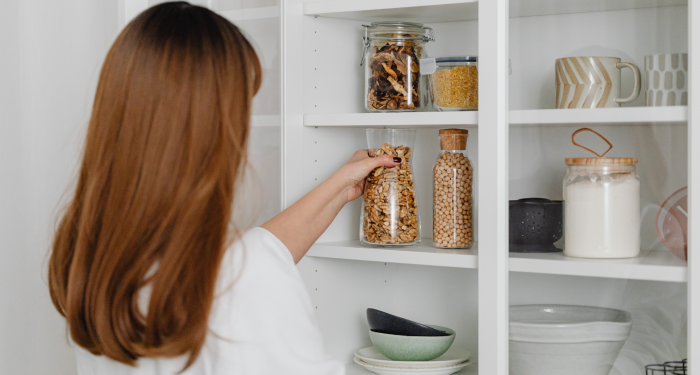
Think beyond the can. Dried chickpeas become crispy roasted snacks one day and creamy hummus the next. Red lentils melt into Indian dal, while green lentils hold their shape in a French-style salad with mustard vinaigrette.
Black-eyed peas make incredible fritters. Split peas transform into a smoky soup that tastes far more luxurious than its price tag suggests.
What's one legume you've never actually cooked from scratch? That might be your next adventure.
2) Build a spice cabinet that does the heavy lifting
I used to think spices were an afterthought. Now I understand they're the entire foundation. A dollar's worth of cumin can transform the same pot of chickpeas into something that tastes completely different from last week's version.
Start with the essentials: cumin, smoked paprika, turmeric, garlic powder, onion powder, and chili flakes. From there, add one new spice each month. Garam masala opens up Indian cuisine. Za'atar takes you to the Middle East. Herbs de Provence makes everything feel French and fancy.
According to Harvard's School of Public Health, many spices also offer meaningful health benefits, from anti-inflammatory properties to improved digestion.
The same rice, the same beans, the same vegetables can become dozens of different meals depending on what you shake over them.
3) Shop the ethnic food aisles strategically
The "international" section of your grocery store is often where the real deals hide. That bag of jasmine rice in the Asian aisle? Half the price of the one in the main rice section. Same goes for coconut milk, dried noodles, spices, and sauces.
I buy my tahini at the Middle Eastern market for a fraction of what Whole Foods charges. My rice paper wrappers come from the Asian grocery and cost almost nothing.
Dried mushrooms, miso paste, curry pastes, and specialty grains are almost always cheaper when you shop where these ingredients are everyday staples rather than exotic imports.
This isn't about cultural tourism. It's about recognizing that plant-based eating has always been central to cuisines around the world, and those traditions come with built-in budget wisdom.
4) Embrace the freezer as your meal prep partner
Batch cooking only works if you're not eating the same thing for seven days straight. The freezer solves this problem beautifully.
I spend one Sunday a month making three different soups, portioning them into containers, and freezing them. Future me gets to choose between Thai coconut lentil, smoky black bean, or Italian white bean and kale. Same effort, triple the variety.
Cooked grains freeze well too. So do veggie burger patties, marinated tofu, and most sauces.
The freezer also rescues produce that's about to turn. Those bananas going brown? Frozen for smoothies. Wilting greens? Blanched and frozen for future stir-fries. This alone has cut my food waste dramatically.
5) Learn five base recipes, then riff endlessly
You don't need a hundred recipes. You need five flexible templates that you can adapt based on what's cheap, what's seasonal, and what you're craving.
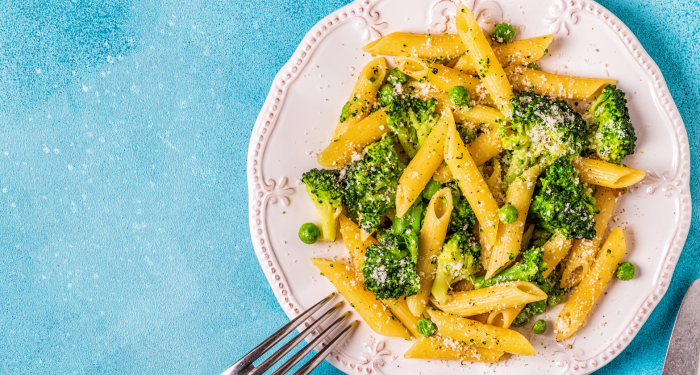
My five: a grain bowl formula, a hearty soup structure, a stir-fry method, a sheet pan dinner approach, and a simple pasta framework. Each one can go in countless directions. The grain bowl might be Mexican-inspired one week with cilantro lime rice, black beans, and salsa, then Mediterranean the next with quinoa, chickpeas, and tahini dressing.
What would your five base recipes be? Start there, and you'll never feel stuck again.
6) Treat seasonal produce as your variety engine
Buying what's in season isn't just cheaper. It forces natural rotation into your meals. You physically cannot eat the same vegetables year-round if you're shopping seasonally, and that constraint becomes its own form of creativity.
Summer means zucchini, tomatoes, corn, and peppers. Fall brings squash, apples, and root vegetables. Winter offers hearty greens, citrus, and storage crops. Spring delivers asparagus, peas, and tender lettuces.
The USDA's Seasonal Produce Guide is a helpful resource for knowing what's at peak freshness and value in your region.
Farmers markets near closing time often have deals. Frozen vegetables, picked and processed at peak ripeness, are nutritionally comparable to fresh and cost significantly less.
Final thoughts
Budget vegan eating taught me something I never learned in my finance career: constraints can be generative. When you can't buy your way out of boredom, you get creative. You learn techniques. You discover cuisines. You develop actual cooking intuition instead of just following expensive ingredient lists.
The goal isn't to spend as little as possible. It's to spend thoughtfully while still eating food that excites you. That's sustainable, both for your wallet and for your long-term commitment to this way of eating. Start with one strategy from this list. See how it shifts things. Then add another.
Before long, you'll have built a system that works for your life, your budget, and your taste buds.