Forget the elaborate meal plans and expensive superfoods—here's how to actually start eating more plants without losing your mind.
When I first considered going plant-based at 35, I made the mistake of diving into every resource I could find.
Within a week, I had a spreadsheet tracking amino acid combinations, a shopping list full of ingredients I couldn't pronounce, and a growing sense that this whole thing was too complicated for someone who just wanted to eat better.
Here's what I wish someone had told me then: eating more plants doesn't require a nutrition degree or a second mortgage for specialty groceries. It requires a willingness to start simple and build from there.
So let's strip away the noise and talk about what actually matters when you're beginning this journey.
1) Start with addition, not subtraction
The biggest mistake I see beginners make is focusing on everything they need to eliminate. That mindset sets you up for feelings of deprivation before you've even begun. Instead, think about what you're adding to your plate.
This week, can you add a handful of spinach to your morning smoothie? Can you throw some chickpeas into your lunch salad? These small additions crowd out other foods naturally, without the mental drama of restriction.
What's one plant-based food you already enjoy that you could simply eat more often? Start there. The rest will follow.
2) Master five simple meals
You don't need a hundred recipes. You need five reliable ones that you can make without thinking too hard on a Tuesday night when you're tired.
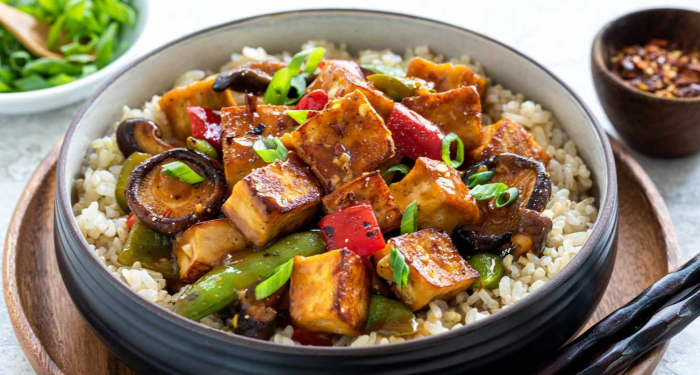
My starting five were: a big grain bowl with whatever vegetables I had, pasta with marinara and white beans, a simple stir-fry over rice, black bean tacos, and a hearty vegetable soup. None of these required special skills or obscure ingredients. All of them kept me fed and satisfied.
Write down five meals that sound good to you. Keep those ingredients stocked. That's your foundation. Everything else is just expansion.
3) Learn the protein basics (without obsessing)
Protein anxiety is real among plant-based beginners, but it's often overblown. According to research published in the American Journal of Clinical Nutrition, well-planned plant-based diets can meet protein needs for all stages of life.
The key players are legumes (beans, lentils, chickpeas), tofu and tempeh, nuts and seeds, and whole grains. You don't need to combine specific foods at every meal. Just eat a variety of these throughout your day, and you'll be fine.
If you're eating enough calories from whole foods, you're almost certainly getting enough protein. It's that straightforward.
4) Stock your pantry strategically
A well-stocked pantry makes plant-based eating feel effortless rather than like a daily puzzle.
Here's what I keep on hand: canned beans (multiple varieties), canned tomatoes, coconut milk, vegetable broth, pasta, rice, quinoa, oats, nuts, nut butter, olive oil, soy sauce, and a few spices I actually use.
With these basics, you can improvise countless meals. No fresh vegetables in the fridge? Canned tomatoes, white beans, and pasta with some garlic and olive oil makes a perfectly respectable dinner.
What does your current pantry look like? A single grocery trip to fill in the gaps can transform your cooking options.
5) Give yourself permission to be imperfect
Perfectionism kills more plant-based journeys than any nutritional deficiency ever could. I spent my first year being far too rigid, then feeling like a failure whenever I wasn't "perfect."
That all-or-nothing thinking came straight from my finance days, and it served me just as poorly in the kitchen as it eventually did in the boardroom.
Progress matters more than perfection. A meal that's 80% plants is still a win. A week where you ate more vegetables than usual is still a win. You're not taking a test. You're building a sustainable way of eating that works for your actual life.
6) Find your "why" and revisit it
On the days when cooking feels like a chore or you're tempted to just order pizza, your reason for doing this matters. For me, it started with learning about factory farming and grew into something bigger about how I wanted to live in the world.
Your why might be different. Maybe it's health, environmental concerns, or simply curiosity. Whatever it is, write it down somewhere you'll see it. Not as a guilt trip, but as a reminder of what drew you here in the first place.
What's pulling you toward plant-based eating? That answer is your anchor.
Final thoughts
Five years into this way of eating, I can tell you that it gets easier. The meals that once required recipes become second nature. The grocery shopping becomes automatic. The occasional social awkwardness fades as you get more comfortable explaining your choices.
But none of that happens if you burn out in the first month trying to do everything perfectly. So start small. Be patient with yourself. Remember that every plant-based meal is a step in a direction you've chosen, not a test you can fail.
The goal isn't to become a different person overnight. It's to become someone who eats a little more kindly, one meal at a time.
What’s Your Plant-Powered Archetype?
Ever wonder what your everyday habits say about your deeper purpose—and how they ripple out to impact the planet?
This 90-second quiz reveals the plant-powered role you’re here to play, and the tiny shift that makes it even more powerful.
12 fun questions. Instant results. Surprisingly accurate.