The myths I carried into veganism looked nothing like the reality I discovered on the other side.
When I went vegan at 35, I brought a suitcase full of assumptions with me. Some came from well-meaning friends, others from headlines I'd half-read, and a few from my own anxious brain trying to talk me out of change.
I was a finance professional trained to assess risk, and I'd mentally catalogued every potential downside of plant-based eating before I even started.
Three years later, I can tell you that most of what I believed turned out to be wrong. Not slightly off, but fundamentally mistaken. Here are the myths that crumbled once I actually lived this way.
1. I believed I'd be hungry all the time
This was my biggest fear. I imagined myself perpetually unsatisfied, reaching for snacks every hour, never feeling that comfortable fullness after a meal. I'd heard that plant foods "don't stick with you" the way meat does.
The reality? I feel more satisfied now than I ever did eating animal products. The key was learning about fiber and how it affects satiety. When you eat whole grains, legumes, and vegetables, you're consuming foods that take longer to digest and keep blood sugar stable. That constant low-grade hunger I used to feel mid-afternoon? Gone.
What surprised me most was how my relationship with fullness changed. I stopped feeling heavy and sluggish after meals, but I also stopped feeling deprived. Have you ever noticed how some meals leave you stuffed but somehow still wanting more?
2. I believed protein would be a constant struggle
I spent my first month obsessively tracking protein, convinced I was one tofu block away from deficiency. The cultural messaging around protein is so strong that I genuinely thought plant-based eating meant fighting an uphill battle every single day.
Then I did the math. A cup of lentils has about 18 grams of protein. A cup of black beans, around 15 grams. Tempeh, tofu, seitan, edamame, chickpeas, quinoa. Research from the Journal of the Academy of Nutrition and Dietetics confirms that well-planned vegan diets can meet all protein requirements.
I stopped tracking after month three. I was easily hitting my needs without trying, simply by eating varied whole foods. The protein panic was never warranted.
3. I believed cooking would become complicated
I pictured myself spending hours in the kitchen, soaking obscure grains, fermenting things in jars, following elaborate recipes just to make dinner happen. My corporate job had left me exhausted by 7 PM. When would I find time for all this?
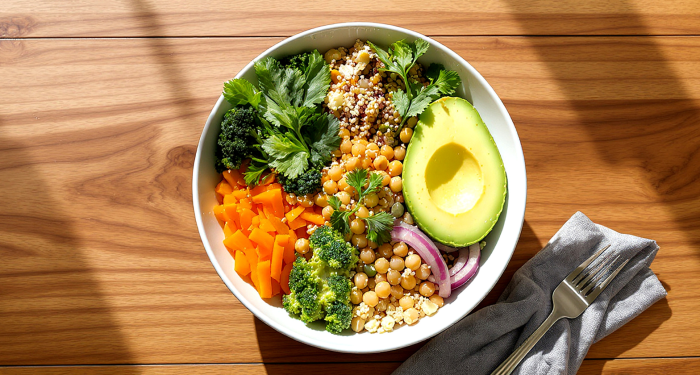
Here's what actually happened: my cooking got simpler. A bowl of rice, roasted vegetables, and chickpeas with tahini dressing takes twenty minutes. Sheet pan dinners with whatever vegetables are in the fridge became my go-to. Batch cooking beans on Sunday set me up for the week.
The complexity I'd imagined was a myth perpetuated by fancy vegan cookbooks. Everyday plant-based eating can be remarkably straightforward.
4. I believed I'd miss cheese forever
Cheese was my last holdout. I went vegetarian first, clinging to sharp cheddar and creamy brie like lifelines. Everyone told me cheese would be the hardest thing to give up, and I believed them completely.
The first month was rough, I won't lie. But something shifted around week six. My taste buds recalibrated. Nutritional yeast started tasting legitimately cheesy to me. Cashew-based sauces became satisfying rather than sad substitutes.
Now, three years in, I don't miss it. I know that sounds impossible if you're standing where I once stood. But cravings are not permanent states. They're habits that can be rewritten.
5. I believed plant-based eating was expensive
Avocado toast stereotypes had convinced me that veganism was a luxury lifestyle. I imagined my grocery bills doubling, filled with high-end meat alternatives and organic everything.
My grocery spending actually decreased. Beans, rice, lentils, oats, frozen vegetables, and seasonal produce are among the cheapest foods in any store. Yes, fancy cashew cheese costs more than dairy cheese. But I rarely buy those things. My staples are humble, affordable, and filling.
The expensive vegan products exist, but they're optional. The foundation of plant-based eating has always been peasant food, the meals that sustained communities for generations on limited budgets.
6. I believed I'd lose my energy for running
As someone who runs 20 to 30 miles weekly on trails, I was terrified of bonking mid-run because my diet couldn't support my activity level. I'd read horror stories about vegan athletes struggling with performance.
My running actually improved. Recovery felt faster. That heavy, sluggish feeling I used to get on long runs disappeared. Research published in Nutrients suggests plant-based diets may reduce inflammation, which could explain why my legs felt fresher between training sessions.
I PR'd my half marathon time eighteen months into eating this way. Coincidence? Maybe. But my body clearly wasn't suffering.
7. I believed social situations would be unbearable
I dreaded dinner parties, work events, and family gatherings. I imagined being the difficult one, the person everyone had to accommodate, the guest who made hosts anxious. My people-pleasing tendencies screamed at me to just eat normally.
Some moments were awkward, especially early on. But most people were curious rather than hostile. I learned to eat beforehand when necessary, to bring dishes to share, to focus on connection rather than food.
What surprised me was how little other people actually cared. The drama I'd anticipated mostly existed in my own head. And the few people who did make comments? Their opinions mattered less than I'd feared.
8. I believed it was all or nothing
This might be the most damaging myth I carried. I thought that one slip meant failure, that eating something non-vegan at a wedding would erase everything, that I had to be perfect or not bother at all.
Perfectionism is the enemy of sustainable change. I've learned that consistency matters more than purity. The goal is reducing harm, not achieving some impossible standard of flawlessness.
When I accidentally ate something with hidden dairy, the world didn't end. I just continued forward. Progress over perfection, always.
Final thoughts
Looking back, I'm struck by how fear-based my assumptions were. I approached plant-based eating like a risk assessment, cataloguing everything that could go wrong. My finance brain wanted guarantees before committing.
But some things you can only understand by living them. The myths dissolve not through argument but through experience. Three years in, I'm healthier, my cooking is simpler, my grocery bills are lower, and my running is stronger.
What beliefs are you carrying that might not survive contact with reality? Sometimes the only way to find out is to begin.
Just launched: Laughing in the Face of Chaos by Rudá Iandê
Exhausted from trying to hold it all together?
You show up. You smile. You say the right things. But under the surface, something’s tightening. Maybe you don’t want to “stay positive” anymore. Maybe you’re done pretending everything’s fine.
This book is your permission slip to stop performing. To understand chaos at its root and all of your emotional layers.
In Laughing in the Face of Chaos, Brazilian shaman Rudá Iandê brings over 30 years of deep, one-on-one work helping people untangle from the roles they’ve been stuck in—so they can return to something real. He exposes the quiet pressure to be good, be successful, be spiritual—and shows how freedom often lives on the other side of that pressure.
This isn’t a book about becoming your best self. It’s about becoming your real self.