The natural kid-magnets who choose childlessness reveal our deepest misunderstandings about love, duty, and life choices.
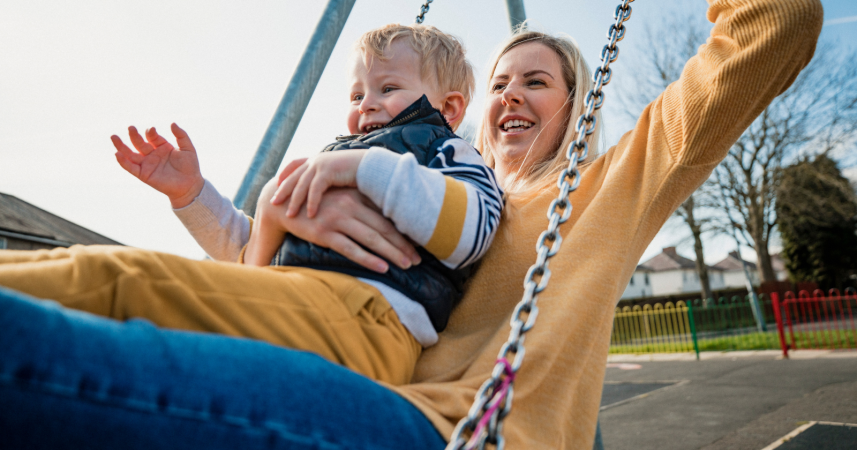
At any family gathering, workplace event, or neighborhood barbecue, you can spot them: the adults who become instant magnets for children. They're organizing impromptu soccer games, actually listening to rambling dinosaur stories, and somehow knowing exactly how to calm a meltdown.
Then comes the inevitable comment: "You're so good with kids! You'll make such a great parent someday." The response—a polite deflection, sometimes an honest "I don't want children"—triggers confusion, even offense. How can someone who possesses such natural ability with children not want their own?
These individuals share specific traits that explain both their effectiveness with children and their choice to remain child-free. Understanding these patterns offers insight into our broader assumptions about who "should" become parents and why.
1. They engage with who children are, not who they'll become
Watch how child-loving non-parents interact with kids versus many actual parents. They engage with the child in front of them—curious about current thoughts, interested in present observations—rather than constantly steering toward developmental milestones or future achievements.
Without the weight of responsibility for who this child becomes, they can fully appreciate who the child is. They ask questions about the elaborate fantasy world a six-year-old describes without pivoting to reading levels. They admire a teenager's artistic expression without mentally calculating college application advantages.
Children sense this difference. In a world where most adults view them through the lens of potential, these adults offer something rare: genuine interest in their current existence. The freedom from parental investment allows for a purer form of connection, unencumbered by the anxieties that accompany raising children.
2. They maintain boundaries that enhance connection
The child-free aunt who hosts elaborate craft sessions always sends the kids home by 6 PM. The uncle who teaches guitar lessons maintains clear rules about practice expectations. These boundaries, far from making them less effective, strengthen these connections.
Children thrive with clear, consistent limits, and these adults can provide them without the emotional complexity that makes parental boundaries so fraught. They don't carry guilt about working late or anxiety about future therapy bills.
They can love Tuesday afternoon babysitting and still book adult-only vacations. They demonstrate that loving children doesn't require sacrificing all adult pleasures—a balance many parents struggle to achieve or even consider legitimate.
3. They see parenting without the soft-focus filter
Adults who are naturally good with children but choose not to have them possess the most realistic view of parenting. Their close relationships with children mean they've witnessed the full spectrum of child-rearing realities.
They've seen the 3 AM emergency room visits, the teenage years of monosyllabic responses, the crushing worry when a child struggles. They understand that "good with children" during play differs vastly from the relentless responsibility of shaping a human life.
This clarity extends to recognizing how "you'd be such a good parent" translates to "you should sacrifice your chosen life path because you possess certain skills." They understand that aptitude doesn't equal obligation.
4. They create chosen families without biology
These individuals maintain rich relationships with children through deliberate choice rather than biological default. The child-free teacher who arrives early to help struggling students builds connections as meaningful as any parent. The neighbor who teaches woodworking to interested kids creates lasting impact without requiring offspring.
Their relationships fill specific roles that overwhelmed parents might struggle to maintain. They become the adult who always has time to listen, who remembers obscure interests, who provides a different perspective.
Some of the most significant adult figures in children's lives were never their parents. These child-free adults prove that "it takes a village" includes those who contribute without creating their own offspring.
5. They possess renewable rather than endurance-based energy
Parents develop a grinding patience born of necessity. Child-free adults who excel with children display something different: a selective, renewable patience that comes from choosing each interaction.
They might spend an hour helping build an elaborate block structure, fully engaged in each decision. But they know they won't be managing homework battles later or negotiating bedtime for the thousandth time.
Children find them more fun than their own parents because they bring fresh energy to interactions. The special attention they provide feels special precisely because it is—bounded, chosen, and therefore fully present.
6. They practice unapologetic self-knowledge
A striking characteristic is their clarity about their own needs. They might adore children and still recognize that they require eight hours of sleep, solitary morning coffee, or the ability to pursue demanding careers without compromise.
This self-knowledge doesn't make them selfish—it makes them honest. Because they've protected their own needs and boundaries, they can show up fully present. They don't carry the resentment that builds when someone sacrifices essential needs, even for loved ones.
7. They demonstrate love without ownership
These individuals understand that love doesn't require possession. They can adore children, contribute to their growth, and celebrate achievements without needing to claim them. Their affection exists without control.
This understanding extends beyond children. They maintain rich friendships, pursue passions, and contribute to communities without needing to center themselves. You can profoundly impact lives without being the primary figure.
Final thoughts
Adults who excel with children yet choose not to have their own occupy a space our culture struggles to acknowledge: people who contribute meaningfully to children's lives while maintaining their own chosen path.
Their traits—present-moment engagement, clear boundaries, realistic perspective, chosen relationships, self-awareness, and non-possessive love—suggest ways of engaging with children that benefit everyone involved.
Being excellent with children while choosing not to have them isn't a paradox to be solved. It's a legitimate way of being in the world, one that enriches the lives of children lucky enough to encounter these adults who engage by choice rather than obligation. The village needs all kinds of adults, including those who love children best from their chosen position outside parenthood.
If You Were a Healing Herb, Which Would You Be?
Each herb holds a unique kind of magic — soothing, awakening, grounding, or clarifying.
This 9-question quiz reveals the healing plant that mirrors your energy right now and what it says about your natural rhythm.
✨ Instant results. Deeply insightful.