Beyond the diet trends and Instagram posts, veganism is a practical philosophy that's reshaping how we think about our daily choices.
When I tell people I'm vegan, I can almost see the assumptions forming. They picture kale smoothies, expensive specialty stores, or militant activism.
But here's what veganism actually is: a commitment to avoiding animal products and exploitation as far as practically possible. It's simpler than you think, and more nuanced than the stereotypes suggest.
The numbers tell an interesting story. Over 6% of Americans now identify as vegan, up from just 1% a decade ago. That's millions of people making a shift. What's driving this change?
Let me walk you through what veganism really means and why so many are choosing this path.
The core philosophy
Veganism means excluding animal products from your diet and lifestyle. No meat, dairy, eggs, or honey. No leather, wool, or silk. But the definition includes something crucial: "as far as is possible and practicable." This isn't about perfection.
I remember my first month as a vegan, discovering that some wines use fish bladders in processing. I felt overwhelmed.
But veganism recognizes we live in a complex world. You do what you reasonably can. You read labels, make informed choices, and accept that you're doing your best in an imperfect system.
The goal is reducing harm, not achieving some impossible standard of purity. Does that shift how you think about it?
Why people make the switch
Most vegans cite three main reasons: animals, environment, and health. For me, it started with a documentary about factory farming.
I couldn't unsee what I'd learned. Billions of animals live in conditions I wouldn't wish on anyone, and my food choices directly funded that system.
The environmental case is equally compelling. Animal agriculture produces 14.5% of global greenhouse gas emissions.
It's a leading cause of deforestation, water pollution, and species extinction. When I was in finance, I analyzed risk. Climate change is the biggest risk we face, and our food system plays a massive role.
Health matters too, though it's more nuanced. A well-planned vegan diet can reduce risks of heart disease, type 2 diabetes, and certain cancers. But you can be vegan and eat terribly. It requires intention.
What daily life actually looks like
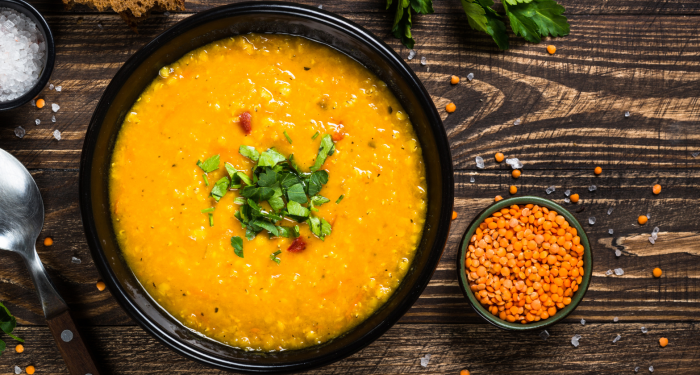
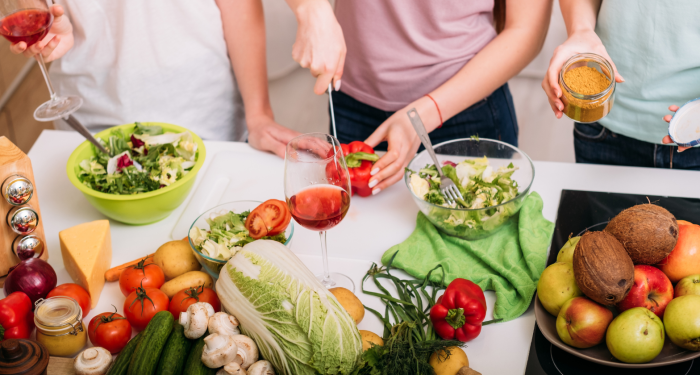
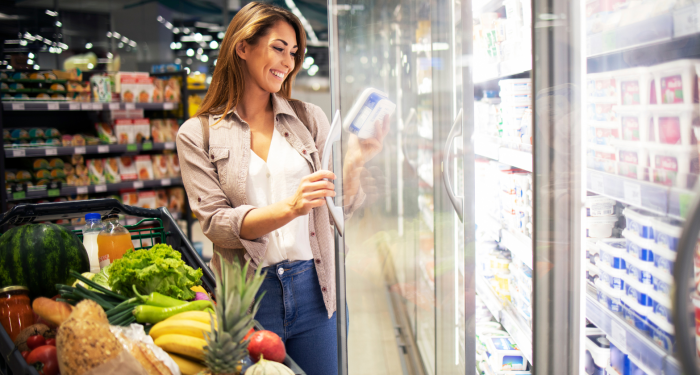
Here's the practical reality: I eat oatmeal with berries for breakfast, grain bowls or sandwiches for lunch, and pasta or stir-fries for dinner. I buy groceries at regular stores. My food budget actually decreased because beans and lentils cost less than meat.
The adjustment period takes about three months. You learn new recipes, discover products you like, and find your rhythm.
I won't pretend there aren't challenges. Traveling can be tricky. Family dinners require communication. Some social situations feel awkward at first.
But most of daily life becomes automatic. You know which restaurants have options. You've got your go-to meals. You've learned to politely decline Aunt Susan's cheese platter without making it a whole thing. It becomes normal, like any other aspect of how you live.
Common misconceptions worth addressing
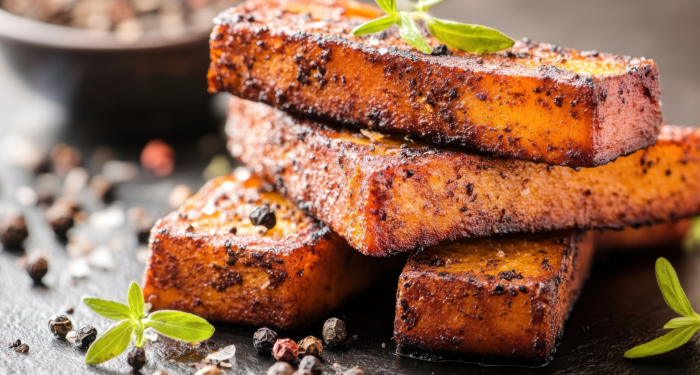
People worry about protein, but beans, lentils, tofu, tempeh, and seitan provide plenty. I run 20-30 miles weekly on a vegan diet.
Elite athletes compete at the highest levels eating this way. The protein question is largely a myth perpetuated by decades of meat industry marketing.
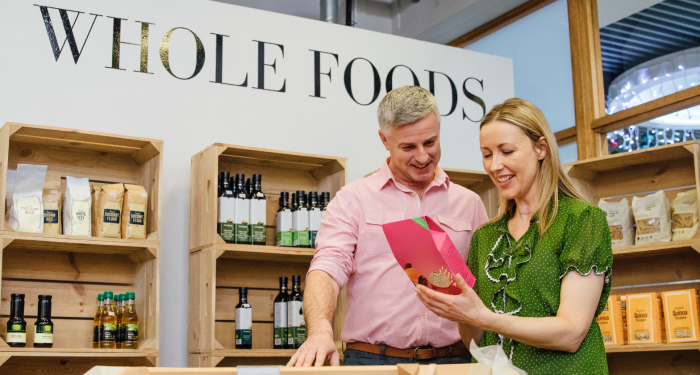
Another misconception: veganism is expensive. It can be if you buy every specialty product, but whole foods like rice, beans, potatoes, and seasonal vegetables are among the cheapest items in any store. I spend less on food now than I did eating animal products.
And no, you don't have to give up flavor or satisfaction. Some of the best meals I've ever eaten have been vegan. You discover new cuisines, experiment with spices, and often become a more creative cook.
The ripple effects
What surprised me most wasn't the diet change itself, but how it shifted my entire relationship with consumption.
When you start questioning where your food comes from, you begin questioning where everything comes from. Who made your clothes? What's in your cleaning products? How was your phone manufactured?
Veganism became a gateway to more conscious living. Not in a burdensome way, but in a way that aligned my actions with my values.
That alignment brought unexpected peace. I'd spent years in finance making compromises I didn't feel good about. This felt different.
Many people report similar experiences. The choice creates a ripple. You inspire friends to try Meatless Mondays. Your family starts buying plant milk. Small shifts multiply across communities.
Final thoughts
Veganism is a practical response to what we know about animal welfare, environmental sustainability, and health. It's not about perfection or judgment. It's about making choices that reduce harm when and where we can.
Millions are switching because the reasons make sense and the lifestyle is more accessible than ever. You don't need to overhaul your entire life overnight. You can start with one meal, one day, one week. You can explore and see how it feels.
The question I'd leave you with: What would it look like to align just one more of your daily choices with what you value? Not perfectly, not all at once, but practically and possible. That's what veganism really means.
If You Were a Healing Herb, Which Would You Be?
Each herb holds a unique kind of magic — soothing, awakening, grounding, or clarifying.
This 9-question quiz reveals the healing plant that mirrors your energy right now and what it says about your natural rhythm.
✨ Instant results. Deeply insightful.