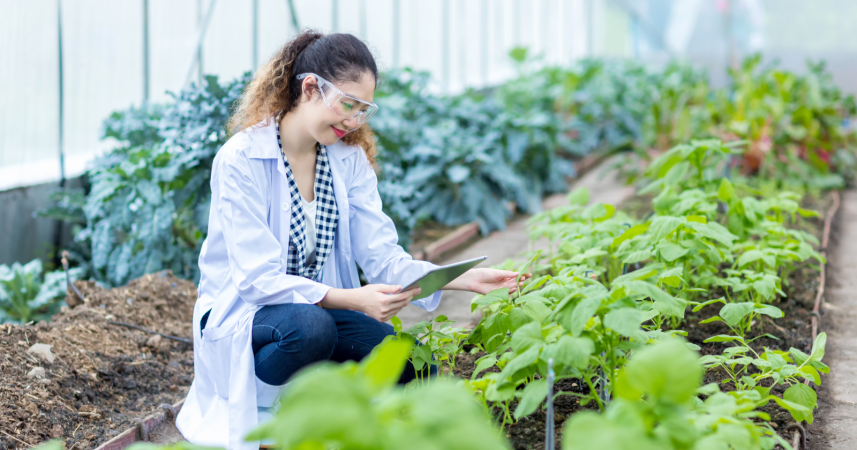
The shift toward plant-based farming isn't just about what's on our plates—it's reshaping how we think about land, water, and our collective future.
When I left finance at 36, I thought I understood systems. I'd spent years analyzing markets, tracking patterns, predicting outcomes.
But it wasn't until I started reading about our food system that I realized how little I'd questioned the most fundamental system of all: how we grow what we eat.
The conversation around plant-based eating often centers on personal health or animal welfare. These matter deeply.
But there's a larger story unfolding, one about soil and water and the kind of world we're building for the next generation. Plant-based agriculture isn't just a dietary preference scaled up.
It's a fundamental reimagining of how humans can nourish themselves while actually giving something back to the earth.
The math behind the shift
Here's something that stopped me in my tracks when I first encountered it: according to research published in Science magazine, animal agriculture uses about 83% of farmland globally while providing only 18% of our calories. My analytical brain couldn't let that go.
When you look at plant-based agriculture through a resource lens, the numbers tell a compelling story.
Growing crops directly for human consumption requires dramatically less land, less water, and produces fewer greenhouse gas emissions than routing those same crops through animals first.
It's not about perfection. It's about efficiency on a planetary scale.
What regenerative plant farming looks like
I think about this during my morning runs on the trails near our home.
The soil beneath my feet is alive, teeming with organisms I'll never see. Regenerative plant-based farming works with that aliveness rather than against it.
Cover crops, crop rotation, reduced tillage, and composting aren't new ideas. But applying them at scale, without relying on animal inputs, is gaining momentum.
Farmers are discovering that plant-based systems can build soil health, sequester carbon, and produce abundant food.
Have you ever wondered what your food's journey looked like before it reached your plate?
Technology meets tradition
There's something almost poetic about how the future of plant-based agriculture blends cutting-edge innovation with ancient wisdom.
Vertical farms in urban centers grow leafy greens using a fraction of the water traditional agriculture requires.
Meanwhile, Indigenous farming techniques like the Three Sisters method are being studied and celebrated for their ecological brilliance.
Precision agriculture uses data to optimize water and nutrient delivery, reducing waste. Plant breeding develops crops that thrive with fewer inputs.
The USDA reports growing interest in organic and sustainable methods. These aren't competing approaches. They're complementary tools in a larger toolkit.
The economic ripple effect
I spent enough years in finance to know that money talks. And increasingly, it's speaking in favor of plant-based systems.
Investment in alternative proteins and sustainable agriculture has surged. Rural communities are exploring new crop opportunities as consumer demand shifts.
This transition won't be seamless. Farmers who've worked in animal agriculture for generations face real challenges.
But I've also seen how adaptable people can be when given support and viable alternatives. What might your community look like if local farms focused on diverse plant crops?
Our role in the larger story
Every time I sit down to a meal with Marcus, I'm aware that our choices ripple outward. The demand we create shapes what farmers grow, what researchers study, what investors fund.
It's easy to feel small in the face of global food systems. But collective action is just individual action multiplied.
Supporting plant-based agriculture doesn't require perfection. It asks for intention.
Choosing seasonal produce, supporting local farms experimenting with sustainable methods, staying curious about where food comes from. These small acts accumulate into something larger than ourselves.
Final thoughts
The future of food isn't predetermined. It's being written right now, in fields and labs and kitchens and policy meetings.
Plant-based agriculture offers a path toward feeding more people with fewer resources, toward healing damaged ecosystems, toward a food system that sustains rather than depletes.
I don't have all the answers. Nobody does.
But after years of examining systems, both financial and agricultural, I've learned that the most resilient ones are those that work with natural cycles rather than against them.
What kind of food future do you want to help create?
If You Were a Healing Herb, Which Would You Be?
Each herb holds a unique kind of magic — soothing, awakening, grounding, or clarifying.
This 9-question quiz reveals the healing plant that mirrors your energy right now and what it says about your natural rhythm.
✨ Instant results. Deeply insightful.