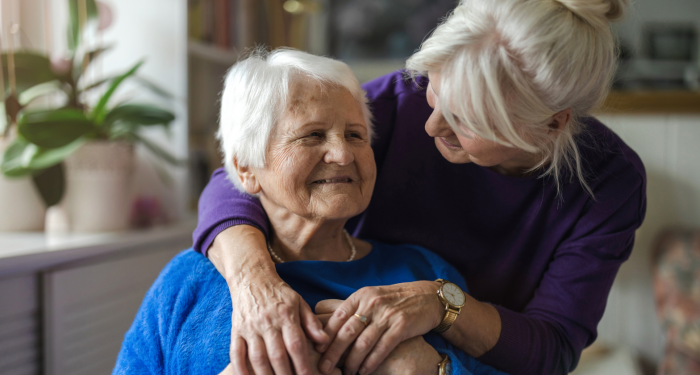
These aren't relationship skills you can learn from therapy or self-help books—they're forged in the moments when you're both broken, exhausted, and could walk away, but somehow choose to stay anyway.
You know that moment when you're sitting across from your partner during yet another impossible conversation, and you realize you could walk away but you choose to stay? I had one of those moments three years into my relationship with my partner. We were navigating a particularly rough patch where my work stress was bleeding into every aspect of our lives, and his career uncertainty was creating tension neither of us knew how to handle.
Looking back now, that season could have easily ended us. But we're still here, stronger than ever. And I've noticed something fascinating: the couples who weather these storms develop certain capacities that simply can't be learned from books or taught in workshops. They're forged in the fire of real-life challenges.
If you've made it through seasons that would have broken most couples, you've likely developed these seven capacities together. And trust me, they're worth more than any relationship advice you'll ever read.
1. The ability to hold space for uncomfortable emotions
Remember when you first got together and everything felt light and easy? Then real life happened, and suddenly you were both carrying grief, disappointment, fear, and frustration into your shared space.
Most couples try to fix or minimize these feelings. But those who survive the hardest seasons learn something different: how to simply be present with discomfort. When my partner lost his father unexpectedly, I couldn't fix his grief. When I was struggling with anxiety about my career transition, he couldn't solve it for me.
What we could do was sit with each other in those feelings without trying to rush past them. This capacity to witness without fixing, to hold space without judgment, becomes a superpower in long-term relationships. You learn that some emotions just need to be felt, not solved.
2. Selective memory for the good
Here's something I learned during our couples therapy sessions: resilient couples develop an almost unconscious habit of remembering the good more vividly than the bad.
This doesn't mean denial or toxic positivity. You remember the fights, the disappointments, the times you almost called it quits. But somehow, the memory of your partner bringing you tea when you were sick, or the way they looked at you during that sunset walk, these memories glow brighter.
Psychology researcher John Gottman calls this "positive sentiment override," and couples who survive tough seasons naturally develop this capacity. Without even trying, you find yourself telling the story of your relationship with the victories as the main plot points, not the defeats.
3. The wisdom to know when to merge and when to separate
Early in relationships, we often think love means doing everything together. Then we swing the other way, fiercely protecting our independence. Couples who weather storms together develop something more nuanced.
You learn when to tackle a problem as a unit and when to give each other space to figure things out alone. When financial stress hit us hard, we knew to face it together, spreadsheets and all. But when I needed to process my feelings about leaving my corporate career, I needed solo trail runs more than couple's brainstorming sessions.
This dance between togetherness and autonomy becomes second nature. You stop keeping score about who needs what kind of support when. You just know.
4. Comfort with imperfect solutions
Perfect solutions are a luxury that couples in crisis can't afford. When you're navigating serious challenges together, you learn to work with what you have.
Maybe your communication style will never be perfect. Maybe you'll always have different approaches to money. Couples who survive learn to work with these imperfections rather than against them. You develop workarounds, create systems that account for your weaknesses, and stop waiting for the perfect moment to move forward.
I used to think we needed to solve our communication issues completely before we could be truly happy. Now I know that our slightly messy, imperfect way of talking through problems is actually perfect for us.
5. The capacity to rebuild trust repeatedly
Trust isn't built once and maintained forever. Couples who survive hard seasons know that trust gets dinged, dented, and sometimes shattered. The magic isn't in never breaking trust; it's in knowing how to rebuild it.
This means having hard conversations about small betrayals before they become big ones. It means choosing vulnerability even when past hurts make you want to armor up. During our rough patch, we both did things that damaged trust. Not affair-level betrayals, but the smaller cuts of broken promises and unmet expectations.
Learning to rebuild after these moments, to choose trust again even when it feels risky, this becomes a shared strength that can't be developed any other way.
6. Shared meaning from shared struggle
Couples who weather storms together develop their own mythology. Those impossible times become part of your origin story as a strong couple. "Remember when we survived that?" becomes a rallying cry for facing new challenges.
We have inside jokes about our darkest moments that would make no sense to anyone else. These shared references become a secret language of resilience. You're not just partners; you're fellow survivors who've seen each other at your worst and chosen to stay.
This shared meaning-making transforms suffering from something that divides you into something that bonds you. Not every couple can do this. It requires a special kind of alchemy that only develops through actual struggle.
7. Acceptance of seasons and cycles
Perhaps the most profound capacity is understanding that relationships have seasons. There are winters of disconnection and summers of passion. There are seasons of growth and seasons of maintenance.
Couples who survive stop panicking when winter comes. You know spring will follow because you've seen the cycle enough times. This doesn't make the hard seasons easy, but it makes them bearable. You stop asking "Is this the end?" and start asking "What does this season require from us?"
Final thoughts
These capacities can't be rushed or faked. They can't be learned from reading articles like this one (though I hope it helps you recognize what you've already built). They're earned through showing up when leaving would be easier, through choosing connection when isolation feels safer, through doing the work when the outcome is uncertain.
If you've built these capacities with your partner, you've created something rare and precious. You've moved beyond the fairy tale into something deeper: a love that's been tested and proven resilient.
And if you're in the middle of a season that feels impossible right now? Know that if you both choose to stay and do the work, you're building capacities that will serve your relationship for decades to come. Sometimes the hardest seasons produce the strongest bonds.
Trust the process, even when you can't see the outcome. Especially then.
If You Were a Healing Herb, Which Would You Be?
Each herb holds a unique kind of magic — soothing, awakening, grounding, or clarifying.
This 9-question quiz reveals the healing plant that mirrors your energy right now and what it says about your natural rhythm.
✨ Instant results. Deeply insightful.