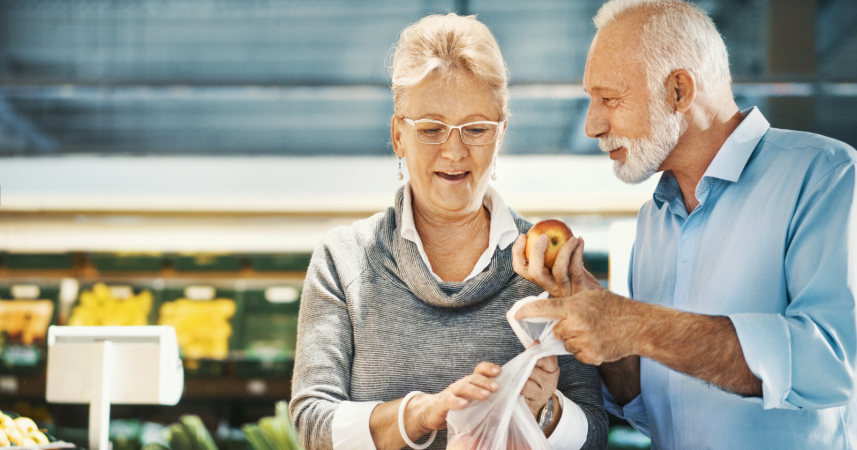
From handwritten checks and cigarette vending machines to bag boys who knew your dog's name, the grocery stores of the 1960s operated on a currency of human connection that would seem impossibly quaint—and surprisingly enviable—to today's self-checkout generation.
Ever wonder why your grandparents get so chatty with grocery store cashiers? Or why they seem genuinely confused by self-checkout lanes?
There's a reason for that. The grocery stores they grew up with in the 1960s were completely different worlds from the supermarkets we zip through today. I discovered this recently while helping my parents downsize their home. Between old photos and yellowing receipts, I got a glimpse into a shopping experience that would seem almost alien to anyone under 40.
Here are nine things that would absolutely blow young minds about 1960s grocery shopping.
1. Everything closed on Sundays
Imagine needing milk on a Sunday and realizing you're completely out of luck. In the 1960s, grocery stores were closed on Sundays. Period. No exceptions. If you forgot something for Sunday dinner, you either borrowed from a neighbor or did without.
This forced people to plan ahead in ways we can't even fathom now. Saturday afternoons were packed with families doing their weekly shopping together. My mother still does her main grocery run on Saturdays, even though our local store is open 24/7. Old habits die hard, I guess.
The Sunday closure wasn't just about religious observance either. It was about giving workers a guaranteed day off with their families. Can you imagine that concept in our current gig economy?
2. No barcodes meant price tags on every single item
Picture this: teenage employees with pricing guns, stamping sticky labels on every can, box, and jar in the store. That's right, every single item had its own individual price sticker.
Cashiers had to manually enter each price into the register, which made checkout lines move at a snail's pace compared to today. But here's the kicker: people actually knew what things cost. They could spot pricing errors immediately because they paid attention to each item being rung up.
Those purple-inked price tags became a weird source of satisfaction to peel off at home. Some folks collected them like tiny trophies of their shopping conquests.
3. Cashiers knew your entire family
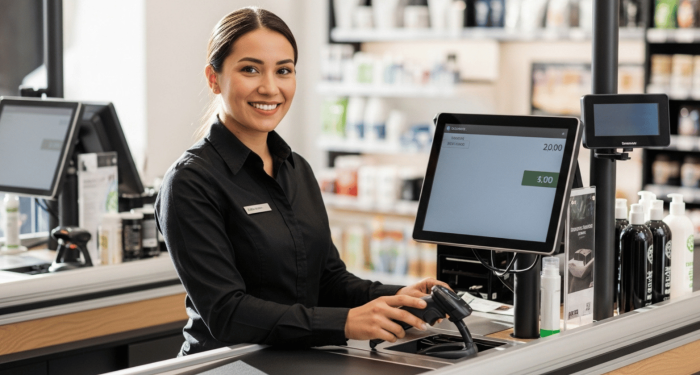
This is the big one. Cashiers weren't just scanning your groceries; they were community members who knew if your kid made the baseball team or if your mother was recovering from surgery.
Checkout wasn't a transaction; it was a social experience. The cashier might suggest a different cut of meat because they knew your husband preferred it, or slip an extra piece of candy to your toddler. They remembered your name, your usual order, and probably your birthday too.
At the farmers' market where I volunteer now, I see glimpses of this old connection. Regular customers and vendors know each other by name, ask about family members, share recipes. But in most modern grocery stores? The self-checkout machine definitely won't ask about your arthritis or recommend the fresh corn that just came in.
4. You could only buy produce that was actually in season
Want strawberries in December? Too bad. Asparagus in October? Not happening. The produce section reflected what was actually growing within a reasonable distance of your town.
This meant people ate seasonally without thinking about it. Summer meant corn on the cob and tomatoes. Fall brought apples and squash. Winter was citrus season if you were lucky enough to live somewhere that received shipments from Florida or California.
My father, the engineer, still comments on the "unnatural" availability of year-round produce. He claims tomatoes tasted better when you could only get good ones three months out of the year. Honestly? He might be right.
5. Credit cards didn't exist in grocery stores
Cash or check only, folks. And writing a check was a whole production. You'd fill it out carefully while everyone in line waited, then the cashier would painstakingly record your driver's license number on the back.
Some stores offered charge accounts for regular customers, where you'd run a tab and settle up monthly. This required enormous trust between stores and customers. Bad check writers got their names posted on a wall of shame near the registers.
People actually knew exactly how much money they were spending on groceries because they physically handed over bills and received change. No mindless swiping or tapping here.
6. Bag boys carried groceries to your car as standard service
Not as a special service for elderly customers or large orders. Every single customer got this treatment. Teenage bag boys would carefully pack your groceries in paper bags, load them onto a cart, and walk you to your car, no matter if you bought three items or thirty.
Tips were common but not expected. It was simply part of the service. These bag boys often became the cashiers and eventually the managers. They worked their way up through the store, learning every position.
The conversations during that walk to the car were part of the community fabric. You might learn about college plans, summer jobs, or whose parent was hiring at the local factory.
7. Store brands basically didn't exist
The walls of generic products we see now? Completely foreign concept. You had name brands and that was pretty much it. Stores competed on service and selection, not on pushing their own private labels.
This meant fewer choices in some ways, but also less decision fatigue. You bought Heinz ketchup because that's what was available, not because you compared it against three store brand options at different price points.
Shopping was actually faster in some ways because you weren't paralyzed by forty varieties of pasta sauce.
8. Cigarettes were sold at the regular checkout
Right there next to the candy bars and gum, you could grab a pack of cigarettes like any other impulse purchase. No special counter, no ID checks, no locked cases.
The weirdest part? Grocery stores had cigarette vending machines. Kids could technically buy them, though most store owners kept an eye out. Some stores even gave away cigarettes as promotional items with large purchases.
My mother, the teacher, remembers being sent to buy cigarettes for her parents as a child. The casual acceptance of this seems absolutely wild by today's standards.
9. Groceries were often delivered to your house
Call in your order in the morning, and a truck would deliver it that afternoon. The delivery boy would even put refrigerated items away if you weren't home but left your back door unlocked.
Yes, people actually did that. They left doors unlocked for deliveries. The trust level was extraordinary by modern standards. Delivery was free or cost pennies, considered a normal service for busy housewives or elderly customers.
This wasn't some premium service either. Regular middle-class families used grocery delivery routinely. The store knew your preferences, your regular orders, and would even call to suggest items you might have forgotten.
Final thoughts
Looking at this list, I understand why older generations sometimes seem bewildered by modern grocery shopping. They remember when it was a social hub, not an efficiency exercise. When the journey mattered as much as the destination.
Sure, we've gained convenience and lower prices, but we've lost something too. Those human connections, that sense of community, the rhythm of seasonal eating.
Next time you see an older person chatting with a cashier, maybe you'll understand. They're not holding up the line. They're trying to preserve a tiny piece of what grocery shopping used to mean.