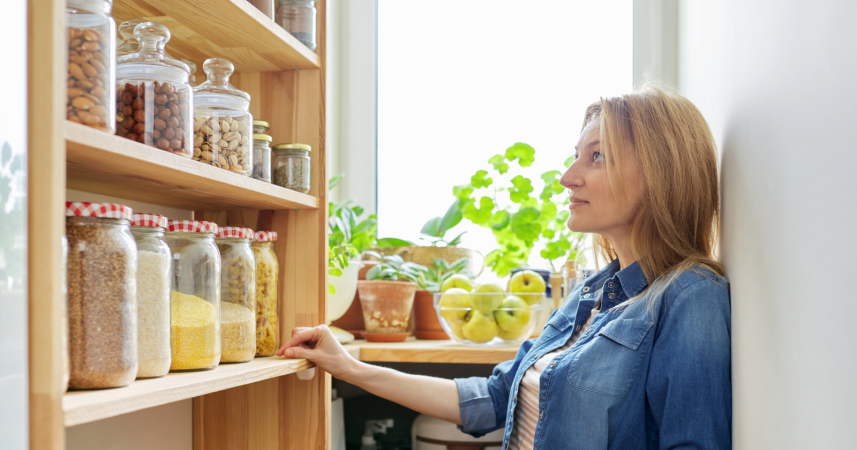
The transition to plant-based cooking comes with surprises that go far beyond what happens on your plate.
When I left my finance career at 36 and started cooking more plants, I thought I knew what I was getting into. More vegetables, fewer animal products, better health. Simple enough, right?
Five years later, I can tell you the reality is far more interesting. The shift to plant-based cooking changed things I never anticipated: my relationship with time, my grocery budget, even how I think about failure.
If you're moving toward more plant-focused meals, here's what I wish someone had told me from the start.
1. Your spice cabinet will become your most valuable possession
In my corporate days, I had maybe six spices, most of them expired. Now my collection takes up an entire cabinet, and I guard it like it contains gold bars.
Here's the thing: when you cook more plants, seasoning becomes everything. That head of cauliflower can be Indian, Mexican, Mediterranean, or Korean depending entirely on what you shake over it. Cumin, smoked paprika, nutritional yeast, gochugaru, za'atar. These become your secret weapons.
Have you ever noticed how restaurant plant-based dishes taste so much more complex than what you make at home? Nine times out of ten, it's the spices. Invest in quality, buy whole when possible, and don't be afraid to use a generous hand.
2. You'll develop a complicated relationship with your freezer
I used to open my freezer and find ice cream and forgotten leftovers. Now it's a carefully organized system of homemade vegetable broth, frozen bananas for smoothies, pre-portioned beans, and backup tofu.
Plant-based cooking rewards batch preparation, and your freezer becomes command central. Those black beans you cooked on Sunday? Half go in the freezer for next week's tacos. The vegetable scraps? Into a bag for future broth. It's a whole ecosystem in there.
The learning curve is real, though. I've had my share of freezer-burned disasters and mystery containers. But once you crack the code, meal prep becomes almost meditative.
3. Your grocery bill will fluctuate wildly before it stabilizes
Everyone talks about plant-based eating being cheaper, and it can be. But first? You might spend more than ever.
There's an initial investment period where you're buying tahini, miso paste, coconut aminos, and specialty flours you've never heard of. You're experimenting with meat alternatives that cost more per pound than actual meat. You're throwing away produce that wilted before you figured out what to do with it.
Give yourself grace during this phase. After about six months, I found my groove. I knew which staples to always have, which splurges were worth it, and which trendy ingredients would just expire in my pantry. Now my grocery spending is genuinely lower than my omnivore days.
4. You'll become surprisingly emotional about beans
I'm not exaggerating. There's something that happens when you start cooking dried beans from scratch, when you nail the perfect creamy texture of a chickpea or discover the buttery magic of gigante beans.
Beans went from boring side dish to the foundation of my cooking. They're nutritional powerhouses packed with protein and fiber, incredibly affordable, and endlessly versatile. A pot of well-seasoned black beans with rice and avocado? That's a perfect meal.
Have you given dried beans a real chance? The canned versions are convenient, but cooking them yourself is a different experience entirely. It takes time, yes. But so does anything worth doing.
5. Your definition of 'quick meal' will completely change
In my old life, a quick meal meant heating something up or ordering delivery. Now quick means 30 minutes of actual cooking, and I don't even blink at it.
Plant-based cooking recalibrated my sense of time in the kitchen. Chopping vegetables, sautéing aromatics, building layers of flavor. These things take minutes, not hours, but they do take engagement. You can't just press a button and walk away.
The surprise? I don't mind. After years of staring at spreadsheets, there's something grounding about the physicality of cooking. The knife against the cutting board, the sizzle of onions, the smell of garlic hitting hot oil. It's become a form of meditation.
6. You'll fail spectacularly, and it matters
My first attempt at cashew cheese was inedible. My homemade seitan had the texture of a rubber band. I've made curries so bland they were basically warm vegetable water.
Failure in plant-based cooking is inevitable and important. Unlike baking meat, where the margin for error is relatively small, plant-based cooking requires you to develop new instincts. How do you get tofu crispy? When is a sauce thick enough? How much salt does this actually need?
These instincts only come through trial and error. Every disaster taught me something. That rubbery seitan? Now I know about gluten development. The bland curry? I learned to bloom my spices in oil first. Embrace the failures. They're tuition.
7. Your social life will require new navigation skills
Nobody warned me about the dinner party dynamics. The well-meaning friends who make you a "special" salad while everyone else eats lasagna. The family members who take your food choices personally. The restaurants where your only option is a sad side of steamed broccoli.
I've learned to eat before events when necessary, to bring dishes to share that happen to be plant-based, to research restaurant menus in advance. It's not about being difficult. It's about being prepared.
The good news? Most people are more curious than critical. I've converted more friends through a really good bowl of pasta with cashew cream sauce than through any conversation about ethics or health.
8. Your body will talk to you differently
This one's personal, so your experience may vary. But after increasing my plant intake significantly, I noticed changes I didn't expect. More stable energy through the day. Better digestion. Clearer skin.
Research supports that plant-based diets can positively impact various health markers, but the lived experience is something else entirely. It took a few months for my body to adjust, and there was a transition period where I felt more bloated than usual as my gut adapted to higher fiber intake.
Listen to your body during this shift. It's communicating, even when the messages are uncomfortable.
Final thoughts
Cooking more plants isn't just a dietary change. It's a skill set, a mindset, and honestly, a bit of an adventure. Five years in, I'm still learning, still experimenting, still occasionally producing something inedible.
But here's what I know for certain: the surprises have been worth it. My relationship with food is more intentional, more creative, and more satisfying than it ever was when I was grabbing takeout between meetings.
What unexpected discoveries have you made in your own plant-based journey? I'd genuinely love to know. Because if there's one thing I've learned, it's that we're all figuring this out together, one meal at a time.
What’s Your Plant-Powered Archetype?
Ever wonder what your everyday habits say about your deeper purpose—and how they ripple out to impact the planet?
This 90-second quiz reveals the plant-powered role you’re here to play, and the tiny shift that makes it even more powerful.
12 fun questions. Instant results. Surprisingly accurate.