The habits that transform vegan cooking from a daily challenge into second nature have little to do with fancy recipes and everything to do with quiet, practical wisdom.
When I first went vegan at 35, I approached my kitchen like I approached everything in my finance career: with spreadsheets, meal plans, and an almost aggressive determination to get it right.
I measured every ingredient, followed recipes to the letter, and felt a small wave of panic whenever I opened the fridge to find we were out of something crucial.
Now, eight years later, my kitchen runs on intuition more than instruction. The shift happened gradually, through countless meals and quiet experiments. And when I talk to other long-term vegans, I notice we've all developed similar habits, ones that seem obvious in hindsight but took years to discover.
These aren't glamorous tips. They're the unglamorous truths that actually make plant-based cooking sustainable for life.
1. They build meals around what needs to be used, not what sounds exciting
Beginners often start with a recipe and then shop for ingredients. Long-term vegans flip this entirely. We open the fridge, assess what's about to turn, and build from there.
That half bunch of cilantro becomes the base for a quick green sauce. The slightly soft carrots get roasted with whatever grains are in the pantry. This shift from recipe-first to ingredient-first thinking dramatically reduces food waste and grocery bills.
It also builds genuine cooking confidence because you learn to trust yourself rather than relying on someone else's instructions.
What would change if you let your vegetables guide your meals instead of the other way around?
2. They keep a running "flavor bomb" station
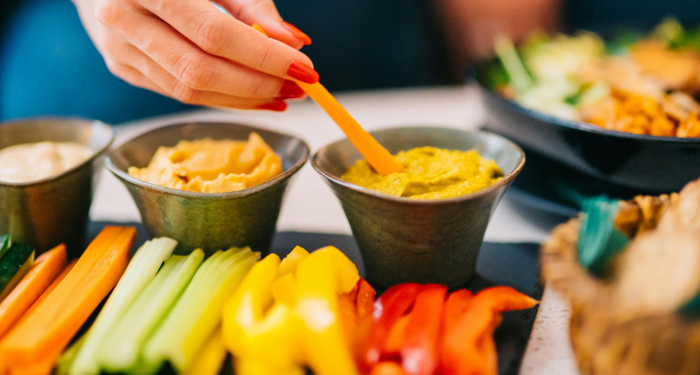
Every experienced vegan kitchen has some version of this: a designated spot for the ingredients that transform bland into brilliant. Mine includes white miso paste, nutritional yeast, sambal oelek, tahini, and a jar of caramelized onions I make in big batches.
These aren't specialty items you use once and forget. They're workhorses. A spoonful of miso in soup, a drizzle of tahini on roasted vegetables, a sprinkle of nutritional yeast on literally anything.
Beginners often wonder why their food tastes flat compared to restaurant vegan dishes. The answer is usually umami, and these flavor bombs deliver it consistently.
3. They batch-cook grains and legumes without a specific plan
I spent my first year as a vegan cooking exactly what I needed for each meal. It was exhausting. Now, every Sunday, I cook a big pot of whatever grain sounds good and a pot of beans or lentils. No recipe in mind. Just cooked, cooled, and stored.
This simple habit means dinner is always 15 minutes away. Those lentils become soup on Monday, salad on Wednesday, and taco filling on Friday. The grains show up in breakfast bowls, stuffed peppers, and quick stir-fries. Having these building blocks ready removes the mental load that makes people give up on cooking altogether.
4. They've stopped trying to perfectly replicate meat dishes
There's a phase most vegans go through where we desperately try to recreate the exact taste and texture of animal products. I made some truly terrible "cheese" in 2016. We don't talk about it.
Long-term vegans eventually realize that plant-based cooking shines brightest when it's not pretending to be something else. Instead of a sad imitation burger, we make a black bean patty that celebrates what black beans do well. Instead of fake chicken nuggets, we make crispy baked tofu that's genuinely delicious on its own terms.
This mental shift is liberating. You stop chasing an impossible standard and start appreciating what plants actually offer.
5. They understand protein combining happens naturally
New vegans often stress about getting "complete proteins" at every meal, carefully pairing rice with beans or bread with nut butter. Research has shown that as long as you're eating a varied diet throughout the day, your body handles the combining on its own.
Experienced vegans know this intuitively. We don't obsess over amino acid profiles at dinner. We eat a variety of whole foods, we feel good, and we've stopped treating every meal like a chemistry equation. This relaxed approach makes the lifestyle sustainable rather than stressful.
6. They treat the freezer as a strategic tool, not a graveyard
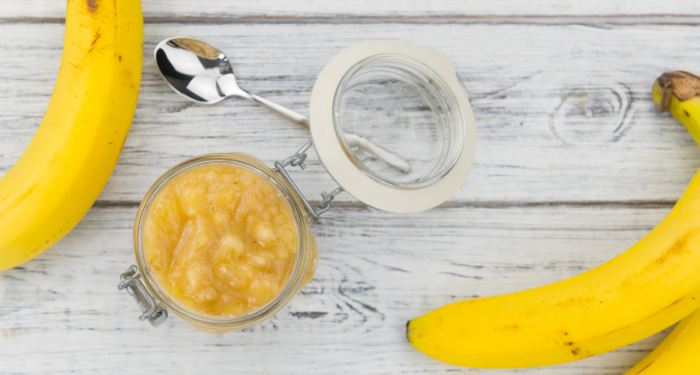
My freezer used to be where good intentions went to die. Now it's organized, labeled, and genuinely useful. I freeze ripe bananas for smoothies, vegetable scraps for broth, leftover soup in single portions, and homemade veggie burgers for busy nights.
The key shift is freezing with intention. Those bananas aren't forgotten; they're waiting for Saturday morning. That container of dal isn't buried; it's Tuesday's lunch. Long-term vegans learn to see the freezer as an extension of meal prep, not a place to hide our failures.
7. They've memorized a few "back pocket" meals
Every experienced vegan has three to five meals they can make with their eyes closed, using ingredients they always have on hand. Mine include coconut curry with whatever vegetables exist, pasta with garlic and white beans, and a grain bowl with tahini dressing.
These aren't impressive dinner party dishes. They're Tuesday night survival meals. Having these memorized means you never stand in front of the fridge wondering what to eat. You just start cooking.
Beginners often think they need to master dozens of recipes. In reality, you need a handful of reliable ones that you can make without thinking.
8. They've made peace with imperfection
Perhaps the biggest difference I've noticed between new vegans and those of us who've been at it for years is our relationship with "good enough." Early on, I wanted every meal to be Instagram-worthy, every ingredient to be organic, every choice to be optimal.
Now? Sometimes dinner is rice and beans with hot sauce. Sometimes I eat cereal for dinner because I'm tired. Sometimes I buy the conventional produce because that's what fits the budget. Long-term vegans understand that sustainability comes from flexibility, not perfection. We've stopped letting perfect be the enemy of good.
Final thoughts
The kitchen wisdom that develops over years of vegan cooking isn't about becoming a better chef. It's about becoming more relaxed, more intuitive, and more forgiving of yourself. The habits I've described aren't revolutionary.
They're practical adaptations that emerge when you stop treating veganism as a test to pass and start treating it as a life to live.
If you're newer to this journey, give yourself permission to develop these habits slowly. They can't be rushed or forced. They come from showing up in your kitchen, day after day, and paying attention to what actually works.
What's one small shift you could make this week to bring a little more ease into your cooking?
If You Were a Healing Herb, Which Would You Be?
Each herb holds a unique kind of magic — soothing, awakening, grounding, or clarifying.
This 9-question quiz reveals the healing plant that mirrors your energy right now and what it says about your natural rhythm.
✨ Instant results. Deeply insightful.