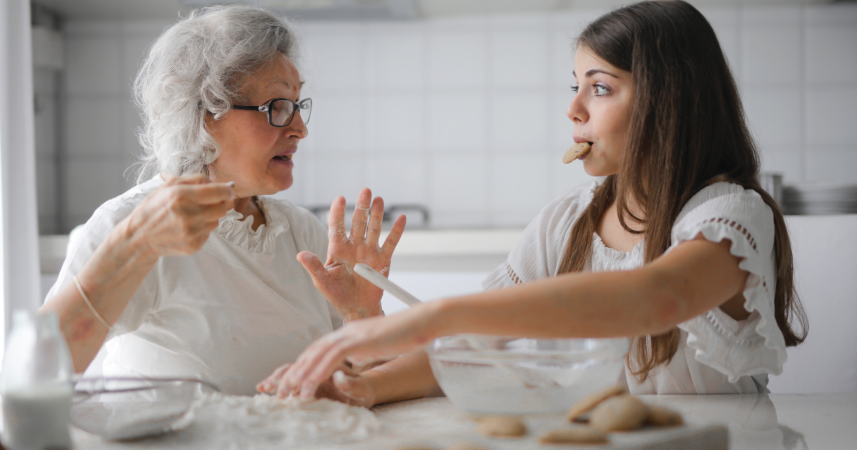
Sometimes the most profound lessons in plant-based living come from someone who's never read a single wellness blog.
When I moved into my current neighborhood five years ago, I didn't expect my greatest teacher in plant-based eating to be the woman next door who still calls dinner "supper" and has never heard of nutritional yeast. But here we are.
Dorothy is 82, sharp as ever, and tends a garden that puts mine to shame. She grew up on a farm in rural Pennsylvania, raised four children, and has been cooking the same way for six decades.
She doesn't follow food trends. She's never called herself vegan, vegetarian, or plant-based. Yet when I started paying attention to how she actually eats, I realized she embodies principles that most of us in the wellness world are still trying to master.
Here's what I've learned from watching her.
1. She eats what's growing right now
Dorothy doesn't meal plan around recipes she found online. She meal plans around what's ready in her garden or what looked good at the farmstand that morning. In July, that means tomatoes in everything. In October, it's squash and apples.
This approach, which researchers call "seasonal eating," isn't just nostalgic. It's practical. When you eat what's abundant, you spend less, waste less, and often get produce at its nutritional peak.
Studies from Harvard's School of Public Health suggest that seasonal, local eating patterns also tend to be more environmentally sustainable.
When's the last time you let the season dictate your menu instead of the other way around?
2. She cooks beans from scratch, slowly
Dorothy soaks her beans overnight and simmers them the next day while she does other things around the house. No pressure cooker, no canned shortcuts. Just time and a heavy pot.
I used to think this was inefficient until I tasted her white beans with rosemary. The texture was creamy, the flavor deep. She explained that slow cooking lets the beans absorb whatever herbs or aromatics you add. It's not about being old-fashioned.
It's about understanding that some foods reward patience.
Now I batch-cook beans on weekends, letting them bubble away while I read or stretch after a run. It's become a small ritual I look forward to.
3. She doesn't snack much, and she doesn't apologize for it
Dorothy eats three meals a day. Breakfast, lunch, supper. Maybe a piece of fruit in the afternoon if she's hungry. That's it.
In a culture obsessed with snacking, this felt almost radical to me. But she's onto something. Her meals are substantial enough that she doesn't need constant grazing. A bowl of vegetable soup with thick bread. A plate of greens with potatoes and onions. Real food that fills her up.
I'm not suggesting we all abandon snacks forever. But Dorothy made me question whether my mid-afternoon almond butter habit was hunger or just habit.
4. She uses every part of the vegetable
Carrot tops become pesto. Potato peels get crisped in the oven. Corn cobs simmer into broth. Dorothy grew up in an era when wasting food wasn't just frowned upon. It was unthinkable.
This whole-vegetable approach isn't just economical. It's nutritionally smart. Many of the parts we discard, like beet greens and broccoli stems, contain significant fiber and micronutrients. I've started keeping a "scraps bag" in my freezer, just like Dorothy taught me, for making vegetable stock.
What would change if you viewed every vegetable as multiple ingredients instead of one?
5. She keeps her pantry simple
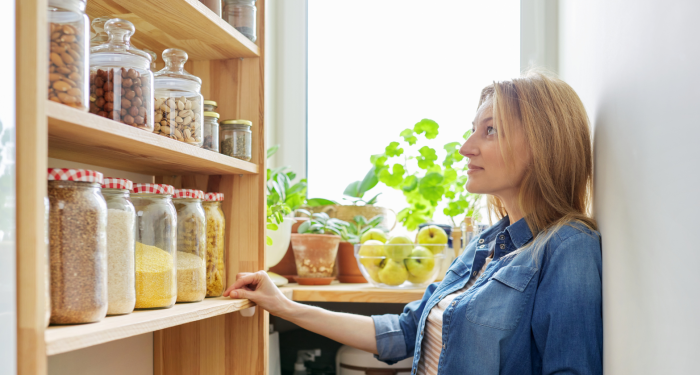
Dorothy's kitchen doesn't have seventeen specialty flours or a drawer full of superfood powders. She keeps dried beans, rice, oats, flour, cornmeal, oil, vinegar, and a rotating cast of whatever she's preserved from the garden. That's largely it.
This simplicity means she can cook almost anything without a grocery run. It also means less decision fatigue. She's not standing in front of her pantry wondering what to make. She knows her ingredients intimately and can improvise endlessly with them.
I've slowly been editing my own pantry down, keeping only what I actually use. The clarity has been surprisingly freeing.
6. She sits down for every meal
Dorothy has never eaten lunch at her desk because she's never had a desk. But even now, living alone, she sets a place for herself at the table. Placemat, napkin, proper plate. She sits, she eats slowly, she looks out the window at her birds.
Research on mindful eating confirms what Dorothy knows instinctively: how we eat matters as much as what we eat. Slowing down, removing distractions, and treating meals as actual events rather than interruptions can improve digestion and satisfaction.
I think about this every time I catch myself eating standing over the sink.
7. She cooks for connection, not perfection
When Dorothy invites me over for soup, she's not trying to impress me. She's not worried about presentation or whether I'll judge her for using regular olive oil instead of the fancy stuff. She just wants to feed someone and have company.
This attitude has quietly reshaped how I think about cooking. I used to stress about having people over, wanting everything to be Instagram-worthy. Dorothy reminded me that the point of sharing food is the sharing, not the food.
Her soup is always good. But what I remember most is the conversation.
Final thoughts
Dorothy would probably laugh if she knew I was writing about her eating habits in a vegan magazine. She'd say she's just doing what she's always done, nothing special about it.
But that's exactly what makes her approach so valuable. She didn't arrive at plant-based eating through documentaries or health scares or ethical awakenings. She arrived there through common sense, frugality, and a lifetime of paying attention to what actually works.
Sometimes the most sustainable path forward is the one that's been there all along, waiting for us to notice.
What’s Your Plant-Powered Archetype?
Ever wonder what your everyday habits say about your deeper purpose—and how they ripple out to impact the planet?
This 90-second quiz reveals the plant-powered role you’re here to play, and the tiny shift that makes it even more powerful.
12 fun questions. Instant results. Surprisingly accurate.