After decades of being told to "keep it professional" and "leave emotions at home," retired men aren't just picking up hobbies — they're using their hands to finally process forty years of feelings they were never allowed to have.

Add VegOut to your Google News feed. 
Ever watch a man in his first week of retirement? I saw it with my neighbor last spring. Three days after his farewell party at the accounting firm, he was in his garage at 6 AM, sorting through tools he hadn't touched in decades. By week two, he'd bought enough lumber to build a small house.
The fascinating part wasn't the sudden interest in carpentry. It was watching him sand the same piece of wood for an hour, completely absorbed, occasionally stopping to just run his hands over the grain. This wasn't about making furniture. This was about something else entirely.
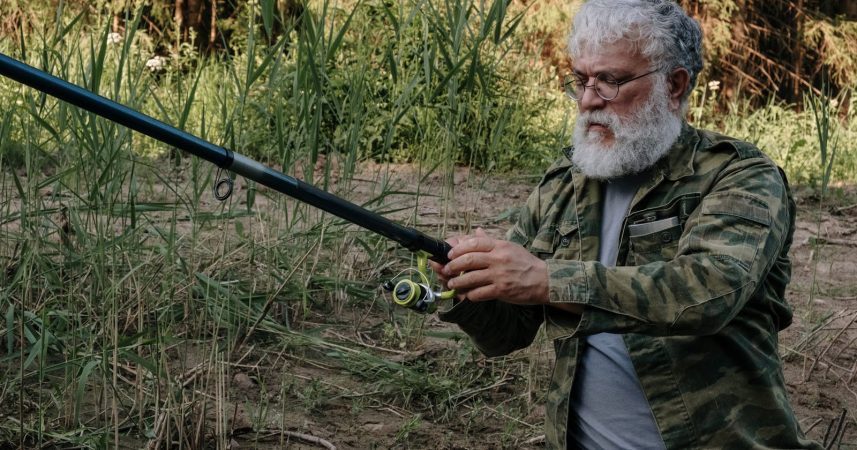
We like to joke about retired guys and their fishing poles, their workshops, their sudden obsession with model trains. But there's something deeper happening here, something we don't talk about nearly enough.
The forty-year freeze
Think about the last time you saw a grown man cry at work. Not angry tears or frustrated tears, but the kind that come from genuine emotion. Can't remember? That's because most men learned early that feelings are liabilities in the workplace.
"Keep it professional." "Don't take it personally." "Leave your problems at home."
For four decades, many men navigate a world where emotional expression equals weakness. Where vulnerability gets you passed over for promotions. Where the only acceptable feelings are confidence, competitiveness, and controlled anger during quarterly reviews.
I've mentioned this before, but during my music blogging days, I interviewed dozens of male musicians who all said variations of the same thing: music gave them permission to feel things they couldn't express anywhere else. One guitarist told me he wrote his most vulnerable songs in his car during lunch breaks, the only place he felt safe enough to access those emotions.
The workplace doesn't just discourage emotional expression. It actively trains it out of you. You learn to compartmentalize so thoroughly that eventually, you forget there were compartments at all.
Why hands matter more than you think
There's actual science behind why working with your hands helps process emotions. When you engage in repetitive, tactile activities, you activate different parts of your brain than those used for analytical thinking. It's called bilateral stimulation, and therapists use similar techniques in EMDR therapy for trauma processing.
But you don't need a psychology degree to understand this. Watch someone kneading bread when they're stressed. Or untangling fishing line after receiving difficult news. The hands give the mind something to do while the heart catches up.
A friend once told me about his father, a former executive who took up woodturning after retirement. "He makes bowls," my friend said. "Hundreds of bowls. Most of them he gives away or throws out. But he spends hours on each one, and sometimes I catch him just sitting there, holding one, looking at nothing in particular."
That's not craftsmanship. That's meditation. That's forty years of suppressed board meetings and swallowed disappointments finally finding their way to the surface.
The permission structure of retirement
Retirement offers something crucial: social permission to step outside the masculine performance that work demanded. Suddenly, it's acceptable to spend six hours fishing and catch nothing. To build a birdhouse that takes three weeks when you could buy one for twenty bucks.
Nobody questions a retiree's hobbies. There's no performance review for your woodworking. No one's tracking your fishing ROI. For the first time in decades, you can engage in activities where the process matters more than the outcome.
And in that process, something shifts. The repetitive motion of casting a line becomes a rhythm that loosens something long held tight. The focus required for measuring and cutting wood creates space for thoughts that were never safe to think during budget meetings.
I've seen this with creative pursuits too. Men who suddenly take up painting, photography, gardening. They're not trying to become artists. They're trying to become human again.
The grief nobody talks about
Here's what we miss when we joke about retired guys and their hobbies: many are grieving. Not just the loss of routine or purpose, though that's real. They're grieving the person they might have been if they'd been allowed to feel things fully for the last forty years.
Who would you be if you hadn't learned to shut down your emotions at twenty-five? What relationships might have been different? What decisions would you have made from a place of emotional intelligence rather than stoic logic?
This isn't about blame. Most men didn't choose this path consciously. Society, workplace culture, and generational expectations created a system where emotional suppression seemed like the only viable option for success.
But now, in retirement, standing in a workshop or by a quiet lake, there's finally space to wonder about these things. And that wondering needs something to do with its hands while it unfolds.
Starting before retirement
The real tragedy isn't that men pick up these hobbies in retirement. It's that they wait until retirement to give themselves permission to feel.
If you're reading this and you're nowhere near retirement, consider this your permission slip. You don't need to wait forty years to start processing emotions through creative or tactile work. Start now. Take up something that requires your hands and allows your mind to wander.
Maybe it's cooking elaborate Sunday dinners. Maybe it's learning guitar. Maybe it's just taking long walks where you actually notice things instead of checking your phone every thirty seconds. The activity matters less than the practice of creating space for feelings to surface.
Because here's what those retired woodworkers and fishermen have figured out: emotions don't go away just because you ignore them. They wait. They accumulate interest. And eventually, they demand to be felt, one carved spoon or caught bass at a time.
Wrapping up
The next time you see a retired man obsessing over his tomato garden or spending entire afternoons tying fishing flies, recognize what you're really watching. This isn't boredom or hobby addiction. It's forty years of emotional processing happening all at once, mediated through hands that finally have permission to create instead of just produce.
And maybe ask yourself: what would happen if you didn't wait until retirement to start? What might you discover if you gave yourself permission to feel things now, today, with your hands busy and your guard down?
The workshop will still be there in forty years. But you don't have to wait that long to start building something real.
What’s Your Plant-Powered Archetype?
Ever wonder what your everyday habits say about your deeper purpose—and how they ripple out to impact the planet?
This 90-second quiz reveals the plant-powered role you’re here to play, and the tiny shift that makes it even more powerful.
12 fun questions. Instant results. Surprisingly accurate.