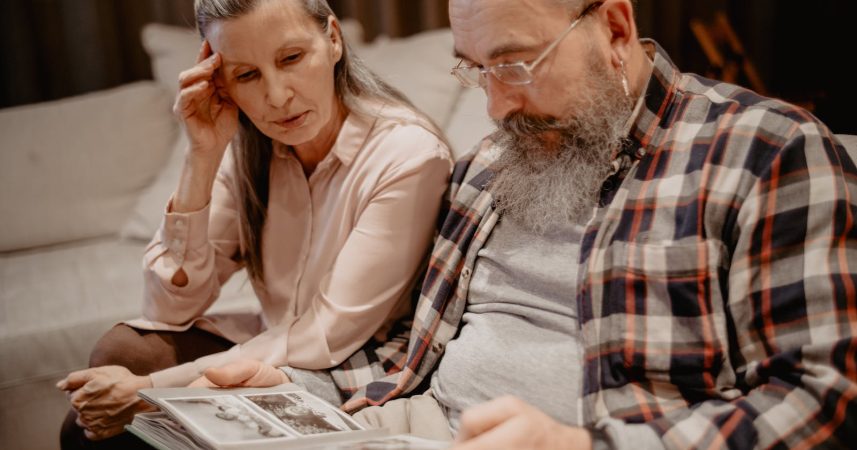
The hardest phone calls aren't the ones delivering bad news anymore — they're the ones where you realize the person who always knew how to fix your problems has become someone you need to protect from them.
Last Thursday, I found myself sitting in my car outside the grocery store, staring at my phone. My mom had just called to ask the same question for the third time that day. Something about her doctor's appointment next week. As I explained it again, patient as always, I felt this familiar ache in my chest.
Not because repeating myself was frustrating. But because I suddenly needed to talk to someone about how hard this all was. And the person I would have called? The person who always knew what to say when life got overwhelming? She was the one on the other end of the line, asking me the same question again.
That's the loneliness nobody prepares you for. When the people who used to be your safety net become the ones who need you to catch them.
The weight of reversed roles
When my father had his heart attack at 68, everything shifted. One day he was the guy who could fix anything, from leaky faucets to life crises. The next, I was sitting in a hospital room, watching him look small and uncertain in that gown that never quite closes right.
I remember thinking how grateful I was that I'd left my corporate finance job by then. At least I had flexibility in my schedule. But underneath that practical thought was something deeper and scarier: my dad looked fragile. My invincible dad who taught me to ride a bike and check my oil and stand up for myself was suddenly someone who needed help getting to the bathroom.
The role reversal hits you like a freight train. One day you're calling your parents for advice about mortgages or relationship problems. The next, you're explaining their medications to them and making sure they're eating properly.
And here's what really gets me: there's no one to call about this specific kind of hard. Your friends with younger parents don't get it yet. Your friends with older parents are drowning in their own version of this story. And the people you'd normally turn to for comfort? They're the ones you're trying to protect from knowing how scared you actually are.
When strength means pretending you're not falling apart
I've become an expert at keeping my voice steady during phone calls. When my mom had surgery last year, I was her primary caregiver. Every day brought new challenges, from managing her medications to helping her shower. But the hardest part wasn't the physical care.
It was maintaining this facade of having it all together. She needed me to be strong, so I was. I smiled through explanations of post-surgery care. I stayed calm when she got confused about why she couldn't drive yet. I made jokes to lighten the mood when she felt frustrated about her limitations.
But who was I supposed to call when I went home at night, exhausted and worried? The person who used to listen to me vent about bad days at work or dating disasters was now the person I was protecting from my own fears.
You know what's particularly cruel about this loneliness? Everyone assumes you have support because you still have your parents. They're still here, still calling, still part of your life. What people don't understand is that the relationship has fundamentally changed. The flow of support has reversed, and there's grief in that reversal that feels too complicated to explain at dinner parties.
The conversations that never happen
Sometimes I catch myself picking up the phone to call my mom about something that's bothering me, then remembering I can't. Not because she wouldn't want to help, but because her worry would become another thing I'd need to manage.
There are so many conversations we don't have anymore. I don't tell her when I'm struggling with a writing deadline because she'll stay up worrying. I don't mention when I'm feeling lost or uncertain about my career pivot from finance because she already struggles to understand why I left that stable job.
Actually, she still introduces me as "my daughter who worked in finance" rather than "my daughter the writer." At first, this stung. Now I understand it's her way of holding onto a version of me that made sense to her, a version where my life followed a predictable path she could feel secure about.
I've learned that my parents expressed love through concern about financial security. Every "are you saving enough?" and "but what about your retirement?" is really them saying "I love you and I'm scared for your future." Understanding this doesn't make it easier, but it helps me respond with patience instead of frustration.
The grief before the grief
There's this thing called anticipatory grief that therapists talk about. It's mourning someone before they're gone. But I think there's another kind of grief that happens when parents age. You grieve the relationship you used to have. You grieve the version of them that could solve your problems. You grieve the comfort of having someone else be the adult.
I felt this acutely when I had to confront my parents' disappointment about my career change. For the first time, I couldn't live for their approval. I had to accept that making them proud might not be possible anymore, at least not in the way they'd imagined.
That's a lonely realization. The people whose opinion mattered most, whose validation you spent decades seeking, might never fully understand or approve of who you've become. And you have to be okay with that while simultaneously being their rock.
Finding connection in unexpected places
So where do we find solace when our traditional support system has shifted?
I've discovered it in small pockets of understanding. The knowing look from another forty-something in the pharmacy, both of us picking up prescriptions for our parents. The friend who texts "how are you really?" after you've posted another cheery photo with your mom. The support group you never thought you'd join but where everyone nods when you say "I love them but this is so hard."
Sometimes connection comes from accepting that you're now the strong one in your family story. There's something profound about being the person your parents can lean on, even when you feel like you're barely standing yourself.
What I wish someone had told me
If you're reading this and feeling that familiar ache of recognition, here's what I want you to know: Your feelings are valid. It's okay to feel lonely even when your parents are still here. It's okay to grieve the relationship you used to have. It's okay to feel the weight of being needed in ways you never expected.
This specific loneliness, this ache of watching your protectors become the protected, is real and deserving of acknowledgment. You're not selfish for feeling it. You're not weak for struggling with it.
And perhaps most importantly: you're not alone in feeling alone.
The person you used to call when life got heavy might now be the reason life feels heavy. But that doesn't diminish your love for them or theirs for you. It just means you're human, navigating one of the most complex transitions we face, usually without a roadmap or much honest conversation about what it really feels like.
So let's start having those conversations. Let's acknowledge this specific loneliness. Because in naming it, in sharing it, maybe we can make each other feel a little less alone in carrying it.