When a dead phone left me unable to call my own mother, I realized my grandmother's "outdated" habit of memorizing every phone number wasn't just practical—it was protecting something essential about being human that we've willingly surrendered to our devices.

Add VegOut to your Google News feed. 
I was sitting in a coffee shop last week when my phone died. I needed to call my mother to confirm dinner plans, and for the life of me, I couldn't remember her number. Not even the area code. The barista let me use their phone, but I just stood there, completely blank, scrolling through my dead phone's black screen as if it would magically reveal the ten digits I needed.
My grandmother would have been appalled. She kept every phone number she ever needed stored in her head like a living phonebook. The pediatrician, the hairdresser, three different grocery stores, all her bridge club friends, even the number for the local movie theater's showtimes hotline. When I was younger, I thought it was adorable but unnecessary. Why memorize all that when you could just write it down?
Now I get it. We didn't just lose phone numbers. We lost something much bigger.
The price of convenience
Think about the last time you actively tried to remember something. Not just glanced at it and moved on, but really worked to commit it to memory. For most of us, it's been a while.
Our phones have become our external brains. They store our contacts, remind us of appointments, navigate us to destinations, and even remember what we need from the grocery store. On the surface, this seems like pure progress. Why waste mental energy on mundane details when technology can handle it?
But here's what I've noticed after spending years analyzing patterns in both finance and now human behavior: when we stop exercising a muscle, it atrophies. And our memory is no different.
During my trail runs, I've started challenging myself to remember things. The names of the wildflowers I pass. The lyrics to songs from my teenage years. My childhood best friend's old landline number. It's shocking how hard this simple exercise has become.
When your memory was your lifeline
My grandmother didn't just memorize phone numbers for fun. She had to. If she was at the grocery store and needed to check if we needed milk, she couldn't text. If her car broke down on the highway, she needed to know who to call from the nearest payphone.
This forced memorization created something unexpected: deeper connections. When you have to actively remember someone's number, you think about them more. You create mental associations. Maybe you remember your aunt's number because it had the same last four digits as your birthdate. Or your best friend's number stuck because it spelled out a word on the keypad.
These little mental exercises weren't just about phone numbers. They were training our brains to hold onto information, to create patterns, to stay sharp.
I spent almost two decades as a financial analyst, and the colleagues I respected most were the ones who could recall market data, client details, and historical trends without constantly checking their screens. They had trained their minds to retain and synthesize information. Now, I watch younger analysts struggle to remember details from meetings that happened just hours ago.
The disappearing art of deep attention
Remember when we used to give people directions? "Take a left at the old oak tree, go about two miles until you see the red barn, then turn right at the second stop sign." We had to pay attention to landmarks, create mental maps, understand our environment.
Now we blindly follow GPS instructions, often arriving at destinations with no real sense of how we got there or how to get back. We've traded spatial awareness for efficiency.
The same thing has happened with phone numbers, birthdays, addresses, even basic facts. We've outsourced so much of our memory that we've forgotten how to remember.
This isn't just about nostalgia. Research consistently shows that active memory use is crucial for maintaining cognitive function as we age. When we stop challenging our brains to retain information, we accelerate cognitive decline.
What we really lost
Beyond the practical implications, we've lost something more intangible: presence.
My grandmother knew phone numbers because she was present when people gave them to her. She listened. She repeated them back. She made the effort to file them away. There was intention in that act.
Now, we half-listen while someone tells us their number, knowing our phone will catch it. We photograph information boards instead of reading them. We screenshot recipes instead of learning them.
I've been filling journals for years now, and one thing I've noticed is how much more I remember when I write things down by hand versus typing them. The physical act of writing engages different parts of the brain. It forces us to slow down, to be present with the information.
Finding our way back
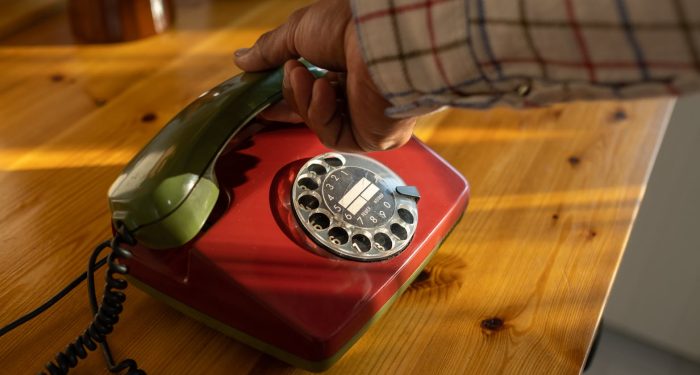
So what do we do? Throw away our smartphones and go back to rotary phones? Obviously not. Technology isn't the enemy here. The problem is how completely we've surrendered our cognitive responsibilities to it.
I've started small. I've memorized five phone numbers: my mother's, my partner Marcus's, my sister's, my best friend's, and yes, my own. It took embarrassingly long to lock these in, but now they're there.
I've also started memorizing one poem a month. Nothing too ambitious, just something beautiful that I want to carry with me. Last month it was Mary Oliver. This month, it's Rumi. These poems have become companions on my morning runs, something to recite when the trail gets steep.
Try navigating to familiar places without GPS. Learn your neighbors' names and actually remember them. When someone tells you something interesting, resist the urge to immediately Google more information. Instead, sit with what you've learned. Let it marinate.
The unexpected freedom of remembering
Here's what surprised me most: memorizing things again has been oddly liberating. There's a confidence that comes from knowing you can rely on your own mind. When my phone dies now, I don't panic. I can still reach the people who matter most.
More importantly, I'm more present in conversations. When I meet someone new, I work to remember their name, what they told me about themselves, the details that matter. This attention makes people feel seen in a way that adding them to your contacts never could.
My grandmother passed away three years ago, but she left me with this gift: the understanding that our minds are capable of so much more than we ask of them. She never needed a smartphone because she had something better, a sharp, engaged, actively working memory that connected her to the world around her.
Start where you are
You don't need to memorize the phone book. Start with just one number. Your mother's, maybe. Or your own, if you're like me and couldn't recall it in that coffee shop.
Practice it while you're brushing your teeth, waiting in line, or walking the dog. Feel the rhythm of the numbers. Create a pattern or a story around them.
Then add another number. And another.
You might find, as I have, that this simple act of reclaiming your memory opens up something bigger. A sense of capability. A deeper attention to the world. A connection to the people in your life that goes beyond their contact card in your phone.
My grandmother memorized every phone number she ever needed, and I used to think it was quaint. Now I understand it was powerful. In a world designed to make us forget, choosing to remember is its own quiet revolution.
If You Were a Healing Herb, Which Would You Be?
Each herb holds a unique kind of magic — soothing, awakening, grounding, or clarifying.
This 9-question quiz reveals the healing plant that mirrors your energy right now and what it says about your natural rhythm.
✨ Instant results. Deeply insightful.

Avery White
Formerly a financial analyst, Avery translates complex research into clear, informative narratives. Her evidence-based approach provides readers with reliable insights, presented with clarity and warmth. Outside of work, Avery enjoys trail running, gardening, and volunteering at local farmers’ markets.
More Articles by Avery