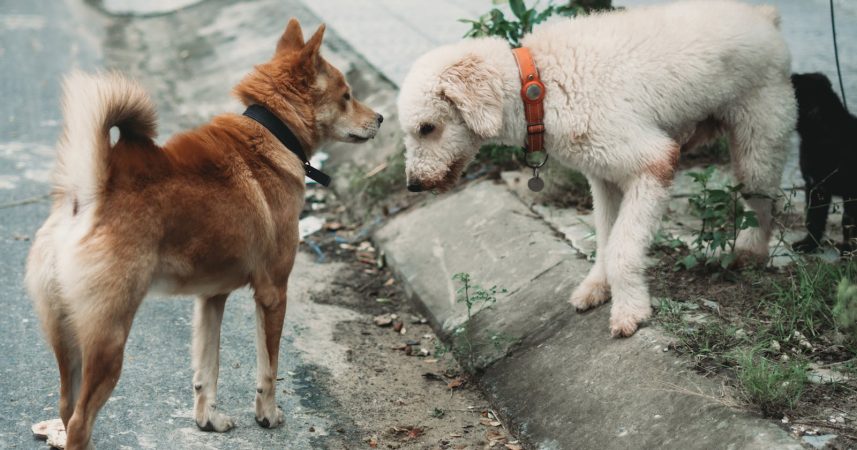
In a world where we've turned every human interaction into a complex algorithm of scorekeeping and conditional affection, it took a creature who eats garbage and barks at his own reflection to show me what genuine trust actually looks like.

Add VegOut to your Google News feed. 
Every morning, my golden retriever Max performs the same ritual. Tail wagging furiously, entire body wiggling with joy, as if my existence is the single greatest thing that has ever happened to him. Doesn't matter if I just grabbed the mail or returned from a week-long trip. The enthusiasm meter is permanently stuck at eleven.
Last week, I had a particularly rough day. Snapped at him when he knocked over my coffee, forgot to give him his morning walk, and barely acknowledged him when I got home. The next morning? Same ecstatic greeting. No passive-aggressive cold shoulder. No keeping score. Just pure, consistent joy.
Meanwhile, I spent half that week analyzing why my friend took three hours to text back and whether her response seemed "off."
That contrast got me thinking. Why do I trust this four-legged goofball more than most humans? At first, I thought it was about dogs being inherently trustworthy. But then it hit me: this says less about dogs and way more about what we've come to expect from people.
We've turned relationships into performance reviews
Remember when you could just be yourself around people? I barely do.
Somewhere along the way, we started treating every interaction like it was being graded. Did I say the right thing at dinner? Was my gift thoughtful enough? Should I have liked their post faster?
I catch myself doing this constantly. After hanging out with friends, I replay conversations in my head, wondering if my joke landed wrong or if I talked too much about my problems. It's exhausting. And here's the kicker: everyone else is doing the exact same thing.
We've created this bizarre system where we're all simultaneously performing and judging each other's performances. No wonder anxiety rates are through the roof. We're living in a perpetual audition for the role of "acceptable human being."
My dog doesn't do performance reviews. He doesn't wake up thinking, "Well, yesterday she only threw the ball five times instead of ten, so today I'll be 50% less enthusiastic." His love doesn't come with terms and conditions that require quarterly updates.
The scorekeeping epidemic
You know what I'm talking about. That mental spreadsheet we all keep.
They didn't invite me to that party two years ago. She forgot my birthday. He never asks about my work. We're all walking around with these invisible ledgers, tallying up slights and favors like emotional accountants.
I used to be the worst at this. In my finance days, I literally had a mental Excel sheet of who owed me what, emotionally speaking. If I helped someone move, I expected reciprocal moving help within a reasonable timeframe. If I listened to someone vent for an hour, I'd note when they cut our conversation short.
The thing is, keeping score turns relationships into transactions. And when everything is transactional, nothing feels genuine. You're not connecting; you're trading emotional commodities.
Dogs don't keep score. My dog doesn't remember that I accidentally stepped on his tail last Tuesday. He's not plotting revenge or withdrawing affection as punishment. Each moment is fresh, untainted by the accumulated grievances that we humans drag around like emotional baggage at an airport.
The conditional love we've normalized
"I love you, but..."
"You're great, except..."
"I'd respect you more if..."
When did love become so conditional? When did we start attaching so many qualifiers to our affection?
Growing up as an only child with high-achieving parents, I learned early that love often came with strings. Good grades meant more praise. Awards meant more attention. This wasn't intentional cruelty; it's just how we've been programmed to operate. Love as reward. Withdrawal of love as punishment.
But watching Max love me through my messiest moments, through bad moods and forgotten walks and accidental tail-stepping, I realize how rare unconditional acceptance has become among humans. We're all so busy trying to earn love that we've forgotten it's supposed to be freely given.
Think about it. When was the last time someone showed you affection without expecting something in return? Without needing you to be a certain way first?
Why we can't stop adjusting our emotional thermostat
Here's something I noticed after leaving my finance career: humans are constantly recalibrating their emotional temperature based on past data.
Friend seemed distant last week? Better dial back my enthusiasm. Partner was grumpy yesterday? Today I'll be extra careful. Boss criticized that report? Time to be overly deferential for the next month.
We're like emotional chameleons, constantly shifting our colors based on what we think others want to see. It's a survival mechanism, sure, but it's also exhausting. And it prevents real connection because nobody ever sees the actual you, just the carefully calibrated version you've presented based on your analysis of their mood patterns.
Max doesn't have an emotional thermostat. His excitement doesn't fluctuate based on market conditions. He doesn't hedge his bets or diversify his emotional portfolio. He's all in, every single time.
The trust deficit we've created
This might sound harsh, but I trust my dog more than most people because he's proven more trustworthy. Not because he's morally superior, but because he's consistent.
Consistency breeds trust. But we've become so inconsistent with each other. We ghost. We breadcrumb. We keep our options open. We present different versions of ourselves to different people. We say one thing and do another.
I've watched friendships dissolve over misread text messages and perceived slights that were never intended. I've seen people hold grudges for years over things the other person doesn't even remember. We've become so guarded, so ready to be hurt, that we interpret everything through a lens of potential betrayal.
Dogs don't have hidden agendas. They don't pretend to like you while secretly resenting you. They don't smile to your face and talk behind your back. What you see is what you get, every single time.
Final thoughts
I'm not saying we should all act like dogs. We're complex beings with complex emotions, and that's not necessarily bad. But maybe we could learn something from their simplicity.
What if we stopped keeping score? What if we greeted people with the same enthusiasm regardless of yesterday's interactions? What if we offered love without conditions and trust without prerequisites?
The reason I trust my dog more than most people isn't because he's perfect. It's because he's taught me what trust actually looks like: consistency, forgiveness, and the radical act of showing up the same way, every single day, regardless of what happened yesterday.
Maybe the question isn't why I trust my dog more than people. Maybe it's why we've made human trust so impossibly complicated that a creature who eats garbage and barks at his own reflection seems like the more reliable option.
Something to think about the next time someone greets you with genuine, uncomplicated joy. Maybe, just maybe, you could return the favor.