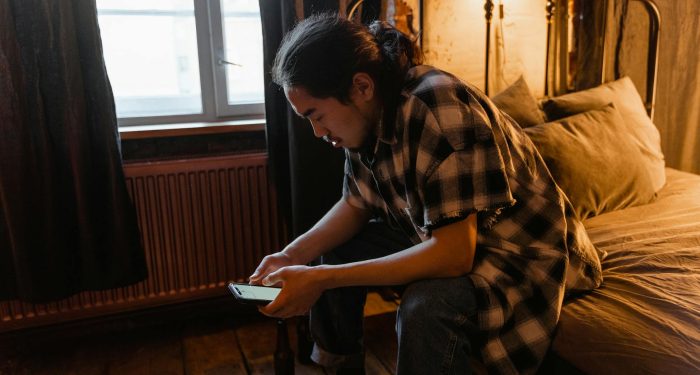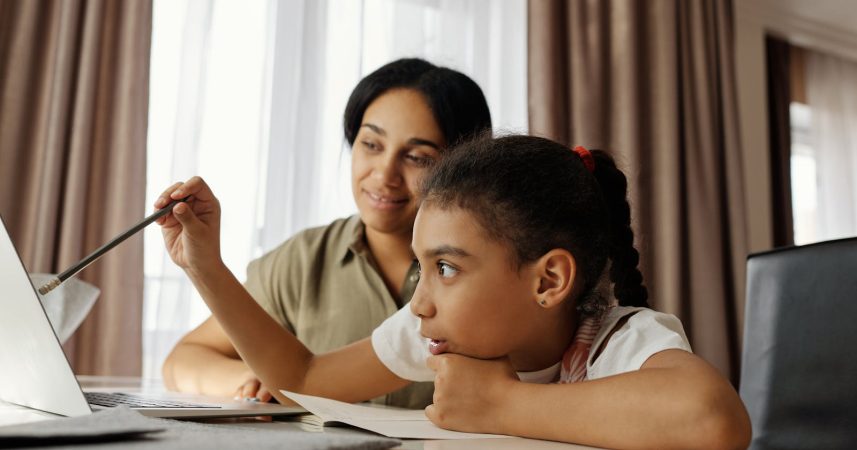
After decades of being the "perfect" mother who never missed a game or forgot a lunch note, I discovered that my daughter had been desperately trying to tell me something I was too busy being supermom to hear.

Add VegOut to your Google News feed. 
Last week, my daughter's voice came through the phone line, casual as Sunday morning coffee: "You know, Mom, you did everything right, but you were never really present."
The words landed between us like a stone thrown into still water, ripples spreading outward through decades of memories. She kept talking about my granddaughter's science fair project, asked for my banana bread recipe, but I was already somewhere else, examining every moment of her childhood like evidence in a case I didn't know I was on trial for.
The performance of perfect motherhood
I haven't slept well since. At 2 AM, I stare at the ceiling and inventory fourteen years of school lunches, each one packed with a handwritten note tucked between the sandwich and apple slices. "You're braver than you believe." "Knock 'em dead at the spelling bee today!" "Remember: you are loved." Never missed a single one, not when their father left, not when I was grading papers until midnight, not when the checking account was overdrawn and I wasn't sure how we'd make rent.
There I was at every soccer game, every school play, every parent-teacher conference. I drove every carpool, memorized every friend's address, knew which kid was allergic to peanuts and which one wasn't allowed to watch PG-13 movies. The other mothers called me Super Mom, and I wore it like armor against the fear that I wasn't enough.
But what does it mean to be present? Is it the showing up or the being there? Is it the doing or the seeing? After 32 years of teaching high school English, analyzing every nuance of meaning in literature, I find myself unable to parse my own daughter's words. Were they accusation or observation? A wound finally voiced or wisdom gently offered?
When surviving looks like thriving
The divorce happened when they were so young. My son was six, my daughter barely four. Their father left on a Tuesday, and by Wednesday morning I was packing lunches, braiding hair, pretending the world hadn't shifted on its axis. I thought if I just kept moving, kept doing, kept showing up, they wouldn't notice the earthquake that had split our life in two.
I remember one morning, maybe six months after he left, standing at the kitchen counter at 5:30 AM, writing that day's lunch note while tears dropped onto the paper, smearing the ink. I rewrote it three times until it was perfect, cheerful, no evidence of the breakdown happening in real-time. I thought that was love, that hiding, that protection.
My son became "man of the house" at nine years old, a weight no child should carry. I've apologized for that, and he's forgiven me, but I wonder what else I missed while I was so busy being strong. What did their eyes ask for while I was focused on their full bellies and clean clothes and homework completed on time?
The difference between presence and presents
When my daughter turned thirteen, she stopped reading the lunch notes. I'd find them crumpled in her backpack, unopened, and it stung like rejection. But I kept writing them anyway, thinking persistence was love, thinking that someday she'd understand. Now I wonder if she was trying to tell me something else entirely: that she didn't need words on napkins, she needed my eyes to really see her.
There's a memory that keeps surfacing. She must have been fifteen, going through something with friends, the kind of teenage drama that feels world-ending at that age. She tried to tell me about it while I was making dinner, correcting papers spread across the kitchen table, phone tucked between ear and shoulder talking to a parent about their child's missing assignments. "Mom, can we talk?" she asked, and I said, "Of course, honey, I'm listening," but I wasn't. Not really. My hands kept moving, my eyes stayed on the papers, my mind juggled three conversations at once.
She stopped mid-sentence and went to her room. I thought she was being moody. Teenagers, right? But maybe she was trying to teach me something about the difference between multitasking through motherhood and actually being a mother in the moment.
Learning presence from loss
When I met my second husband at 43, at a school fundraiser where I accidentally outbid him on a weekend getaway I couldn't afford, I'd been single for fifteen years. He was different from my first husband, quieter, steadier. He fixed bikes in the garage and planted tomatoes in the backyard and never announced his love, just lived it.
When Parkinson's began stealing him from us, he taught me something about presence I'd never understood. Even when he could barely speak, barely move, he was completely there in each moment. My daughter would sit with him for hours, holding his hand, saying nothing. I watched them together and saw something I'd never given her: undivided attention, complete presence, the gift of just being.
After he died, I couldn't function for months. My daughter drove up every weekend, sat with me in my grief, didn't try to fix or fill the silence with platitudes. She was just there, present in a way I'd never been for her. That's when I began to understand what she meant.
The freedom of grandmotherhood
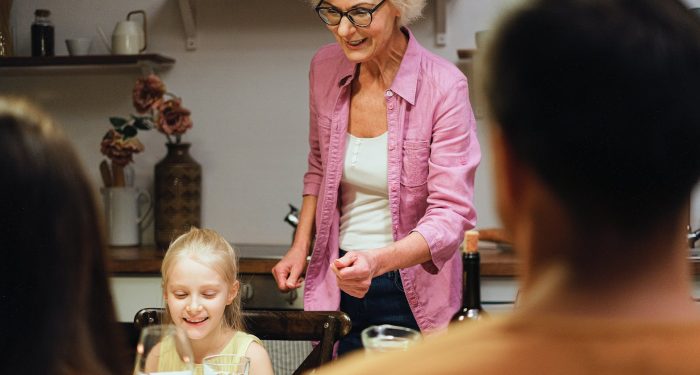
With my granddaughter, it's different. When she stays overnight, we bake cookies and I let the kitchen get completely destroyed. I sit on the floor and play with her, really play, not the half-attention I gave my own children while mentally composing grocery lists. There's a freedom in being the grandmother. I've already failed and survived. I have nothing to prove.
Last month, she asked me to help with her science fair project about erosion, how water changes landscapes slowly, imperceptibly, until one day everything is different. As we built her model, I thought about how time had eroded my own landscape, how the rushing river of trying to be everything had carved deep channels that I'm only now seeing clearly.
Final thoughts
During our call last Sunday, I did something different. I didn't multitask. I didn't water plants or fold laundry while we talked. I just sat in my chair, phone to ear, and listened. Really listened.
"You sound different, Mom," my daughter said after a pause.
"Different how?"
"I don't know. Here. You sound here."
At 71, I'm learning what I couldn't grasp at 28 when my world fell apart and I had two small humans depending on me. Sometimes the greatest gift isn't doing everything right but being present in the imperfection. The lunch notes, the carpools, the never-missed games, they were love, yes, but love in motion, love too busy to be still.
My daughter wasn't wrong and she wasn't cruel. She was teaching me, as children do when they grow wise enough to see their parents as human. Presence isn't about being perfect. It's about being real, being still, being there when there is exactly where you are.
What’s Your Plant-Powered Archetype?
Ever wonder what your everyday habits say about your deeper purpose—and how they ripple out to impact the planet?
This 90-second quiz reveals the plant-powered role you’re here to play, and the tiny shift that makes it even more powerful.
12 fun questions. Instant results. Surprisingly accurate.