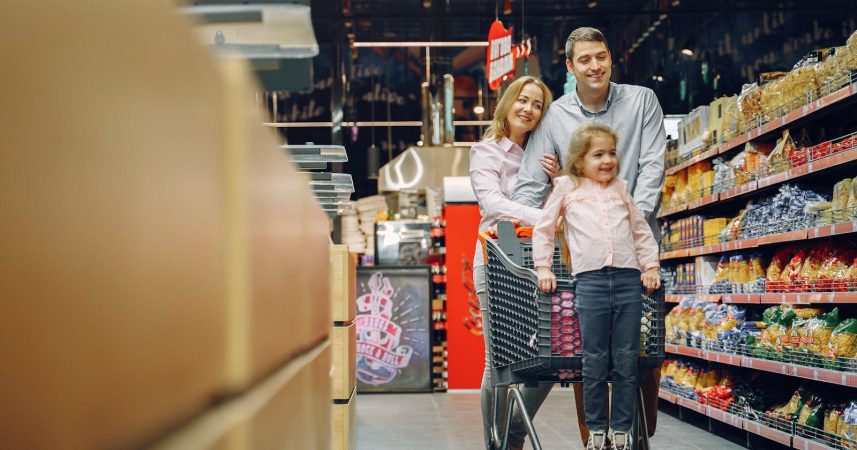
Stepping into a high-income family's $1,800 monthly grocery budget revealed something far more profound than expensive ingredients — it exposed how financial security fundamentally rewires our entire relationship with food, time, and even guilt.

Add VegOut to your Google News feed. 
Ever wondered what happens when someone from a middle-class background tries to shop like the wealthy for a month? I did exactly that, and what I discovered went way beyond organic produce and fancy cheese.
Last month, I tracked down the actual grocery spending of several families earning around $250,000 annually through a financial wellness study I came across from my old finance days. The average? About $1,800 per month for a family of four. As someone who grew up watching my mom clip coupons and plan meals around sale items, I decided to experiment: What if I followed their exact budget and shopping patterns for 30 days?
The experience completely shifted my perspective on how money shapes not just what we buy, but how we think about food, time, and even our relationships. Here are the nine most striking differences I discovered.
They shop for experiences, not just sustenance
Growing up, grocery shopping was about one thing: feeding the family as efficiently as possible. My parents would ask, "How many meals can we get from this?" But during my experiment, I noticed high-income families approach food completely differently.
They buy ingredients for specific recipes they want to try. They purchase items because they saw them in a cooking show or read about them in a food blog. A $12 bottle of finishing olive oil? That would have been unthinkable in my childhood home, where olive oil was olive oil. But for these families, that bottle represents a Tuesday night when they can transport themselves to Tuscany through their taste buds.
This shift in mindset was harder than I expected. Standing in the specialty foods aisle, I had to physically stop myself from calculating cost per ounce and instead ask, "What experience do I want to create?"
Quality over quantity becomes the default
In my house growing up, bulk buying was gospel. Why buy one small package when you could get three times as much for twice the price? But wealthy shoppers operate on a different principle entirely.
They buy smaller quantities of higher quality items. One perfectly ripe avocado instead of a bag of five that might go bad. A small container of locally made yogurt rather than the giant tub from the wholesale store. At first, this felt wasteful to me. My brain kept screaming about unit prices.
But here's what I learned: when you're not worried about having enough, you can focus on having exactly what you want. And surprisingly, I threw away less food that month than usual because everything I bought had a specific purpose and timeline.
Shopping happens multiple times per week
My childhood grocery routine was sacred: one big weekly shop, usually on Sundays, with mom's list organized by aisle to maximize efficiency. Missing something meant making do until next week.
High earners treat grocery stores like an extension of their pantry. They stop by three or four times a week, picking up fresh items for tonight's dinner or tomorrow's lunch. During my experiment month, I forced myself into this pattern, and it felt incredibly indulgent at first. Who has time for multiple grocery trips?
But then I realized something. When you're not spending two hours on a massive weekly shop, popping into the store for 15 minutes doesn't feel like such a burden. Plus, everything I ate was fresher, and I found myself actually excited about meals because I was choosing based on what looked good that day, not what I'd predicted I'd want a week ago.
Brand loyalty looks completely different
In my family, brand loyalty meant sticking with whatever store brand was cheapest. If the generic crackers were good enough, that's what we bought, period.
Wealthy shoppers have brand loyalty too, but it's based on entirely different criteria. They'll consistently buy the same $8 pasta sauce not because it's on sale, but because they've tried twelve brands and this one uses San Marzano tomatoes. They know which bakery makes the best sourdough and which farm has the best eggs, and they'll pay the premium without blinking.
Adopting this mindset for a month was revelatory. Instead of my usual mental math at the shelf, I started asking different questions: Which one do I actually enjoy more? Which company's values align with mine? It felt almost rebellious to prioritize preference over price.
Convenience is calculated differently
Growing up, paying for convenience was considered lazy. Pre-cut vegetables? Pre-marinated meat? That was just throwing money away when you had two perfectly good hands and a knife at home.
But when I looked at how high earners shop, convenience items made up a significant portion of their carts. And here's the thing: when you calculate the value of your time differently, those pre-chopped onions start to make sense. If buying pre-made pizza dough means you'll actually make homemade pizza on a weeknight instead of ordering delivery, is it really wasteful?
During my experiment, I bought pre-cut butternut squash for the first time in my life. Yes, it cost three times more than whole squash. But I actually used it that week instead of letting it sit on my counter until it went bad, which is what usually happens.
Seasonal eating isn't just for farmers' markets
My parents bought whatever produce was cheapest, regardless of season. Strawberries in December? If they're on sale, they're in the cart.
Wealthy shoppers treat seasons like a feature, not a bug. They buy asparagus in spring, tomatoes in summer, and squash in fall, even though all of these are available year-round. During my month, I tried this approach and discovered that seasonal produce at its peak actually tastes like something, even from a regular grocery store.
More surprisingly, shopping seasonally wasn't necessarily more expensive. Peak season produce, even the organic stuff, is often reasonably priced because it's abundant.
The freezer serves a different purpose
In my childhood home, the freezer was for bulk storage. Costco-sized bags of chicken breasts, vegetables bought on sale and frozen for later, enough ice cream to last through a nuclear winter.
High-income families use their freezers strategically but sparingly. They might have some high-quality steaks for an impromptu dinner party, artisan gelato, or specialty items like frozen croissants from a French bakery. Their freezers aren't about survival; they're about having options.
This was perhaps the hardest shift for me. My instinct to stock up when things are on sale runs deep. But keeping my freezer minimal meant I actually knew what was in there and used it, rather than discovering mystery packages covered in freezer burn six months later.
Dietary restrictions are preferences, not problems
When I was growing up, dietary restrictions were medical necessities, and accommodating them was expensive and difficult. You ate what was served or you didn't eat.
In high-income shopping carts, dietary choices are just that: choices. Gluten-free, dairy-free, keto, paleo, or vegan options aren't grudging accommodations but genuine preferences. During my experiment, I let myself buy the non-dairy milk I actually prefer without checking if the regular milk was cheaper. Revolutionary, I know.
Waste matters less than enjoyment
This might be the most uncomfortable difference for me to admit. My family treated food waste like a moral failing. You finished your plate, ate leftovers until they were gone, and felt guilty if anything spoiled.
Wealthy families still try to minimize waste, but they prioritize enjoyment and health over cleaning their plates. If they don't love something, they don't force themselves to finish it. If produce starts to look less than fresh, it goes in the compost without hand-wringing.
Trying this mindset for a month was deeply uncomfortable. But I noticed something: when I gave myself permission to not finish food I wasn't enjoying, I actually made better choices about what to buy and cook in the first place.
Final thoughts
After 30 days and $1,800 spent on groceries (for just two people, since I adjusted the budget proportionally), I've returned to something closer to my normal shopping habits. But the experiment changed me in ways I didn't expect.
It's not really about having more money to spend on food. It's about how financial security fundamentally changes your relationship with basic needs. When you're not worried about having enough, you can focus on having what you actually want. When you're not calculating survival, you can consider satisfaction.
I've kept some habits from my experiment month. I buy smaller quantities of things I really enjoy. I shop more frequently for fresher ingredients. I've stopped forcing myself to finish food I don't love. But I've also returned to many of my thriftier ways, because they're part of who I am.
The real lesson? There's no right way to shop or eat. But understanding how deeply our financial backgrounds shape these everyday choices helps us make more intentional decisions, whatever our budget might be.
If You Were a Healing Herb, Which Would You Be?
Each herb holds a unique kind of magic — soothing, awakening, grounding, or clarifying.
This 9-question quiz reveals the healing plant that mirrors your energy right now and what it says about your natural rhythm.
✨ Instant results. Deeply insightful.

Avery White
Formerly a financial analyst, Avery translates complex research into clear, informative narratives. Her evidence-based approach provides readers with reliable insights, presented with clarity and warmth. Outside of work, Avery enjoys trail running, gardening, and volunteering at local farmers’ markets.
More Articles by Avery