They don’t compete. They celebrate — your wins, your stories, even your quirks.
There's a particular magic when boomers become grandparents. The same people who enforced strict bedtimes and limited TV suddenly transform into permissive conspirators slipping candy before dinner. But their real charm goes deeper than rule-breaking. It's in the subtle ways they've learned to be present, to listen, to create joy without agenda.
These grandparents discovered something their own parents often missed: the luxury of time without the burden of primary responsibility. They've traded discipline for delight, lessons for laughter, and somehow become the adults every kid wants to be around—and every adult wants to be.
1. They tell the same stories but make them feel new
Yes, you've heard about Grandpa's car breaking down in Nevada forty-seven times. But watch kids lean in every telling, waiting for favorite parts. These grandparents have mastered ritual storytelling—same beats, same pauses, same "you'll never guess what happened" though everyone knows exactly what happened.
Repetitive storytelling serves crucial developmental functions, creating predictability and bonding through shared narrative. But boomer grandparents add magic: they let grandkids become co-narrators, filling in details, correcting "mistakes" Grandma makes on purpose. The stories aren't about information—they're about connection, tradition, and knowing some things never change.
2. They have infinite patience for interests they don't understand
Grandpa doesn't know Minecraft, but he'll sit for hours asking genuine questions about your virtual farm. Grandma can't identify Pokemon, but she remembers which ones you collect.
This patient curiosity comes from having nothing to prove. Unlike parents juggling work and worry, these grandparents can be fully present for enthusiasm they don't share. They've learned that showing interest in children's passions matters more than understanding them. They become students to six-year-old teachers, reversing hierarchies in ways that make kids feel genuinely important.
3. They keep treats in predictable places
Bottom drawer of the hallway dresser. Cookie jar never empty. Freezer always stocked with good ice cream. These grandparents maintain reliable stashes of small pleasures, creating treasure maps throughout their homes.
This isn't just about sugar—it's about dependable joy. The predictability of butterscotch candies in Grandma's purse creates what psychologists call positive anticipation patterns. Kids learn their grandparents' house as a geography of small delights, where pleasure is both hidden and guaranteed. Some people will always have something sweet waiting.
4. They master the art of productive puttering
They're always doing something—watering plants, organizing tools, folding laundry—but never too busy for interruption. This ambient productivity creates perfect parallel play. Kids can help or just exist alongside, no pressure.
This puttering offers what child development experts recognize as ideal interaction: available but not overwhelming, engaged but not demanding. Boomer grandparents perfected being simultaneously busy and free, teaching that companionship doesn't require constant interaction. Sometimes love looks like quietly sorting buttons while your grandchild colors nearby.
5. They remember everything but correct nothing
They know every birthday, every middle name, which kid hates pickles, who's afraid of dogs. But when grandkids tell wildly inaccurate versions of events, they just nod. "That's right, you were definitely ten feet tall."
This selective memory serves purpose beyond indulgence. By prioritizing emotional truth over factual accuracy, they validate feelings over facts. When a child says "I caught a fish THIS BIG," correcting the size matters less than celebrating excitement. They've become keepers of emotional history, not fact-checkers.
6. They have time for the slowest possible version of everything
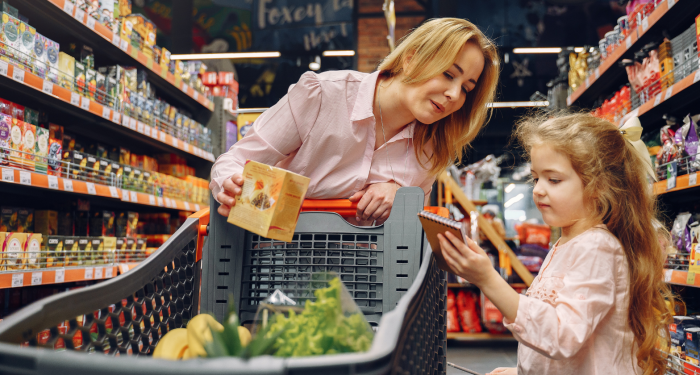
Walking to the corner takes forty minutes—every ant needs examining. Grocery shopping becomes an odyssey of free samples. They move at kid-speed without checking watches.
This temporal luxury is their superpower. Freed from productivity pressure, they afford what parents can't: inefficiency. They understand rushing children through experiences misses the point. The walk isn't about the corner; it's about discovering worlds along the way. The best moments happen between destinations.
7. They take mild rebellion seriously
When a grandchild announces they're running away, Grandma helps pack snacks. When they declare they're never eating vegetables again, Grandpa negotiates terms. They treat small rebellions as legitimate negotiations, not discipline opportunities.
This respectful engagement teaches crucial lessons about autonomy and compromise. By taking silly stands seriously, they show feelings matter while gently guiding toward resolution. This validation approach builds emotional intelligence and trust. Honoring small rebellions prevents bigger ones.
Final thoughts
What makes these boomer grandparents everyone's favourite isn't grand gestures or expensive gifts. It's mastery of presence, ability to slow down, willingness to enter a child's world without fixing it. They've reached an age where time is the only real currency, and they spend it lavishly on people who matter.
They've discovered the secret that eluded them as parents: most rules don't matter as much as relationships. Bedtime can flex, cookies before dinner won't ruin lives, and yes is often easier than no. They've learned to major in connection, minor in correction.
Perhaps their real gift is showing what we might become—people with enough wisdom to know when to deploy it and when to just hand over candy. They remind us that aging doesn't mean rigidity, that there's profound power in gentleness, and that sometimes the best thing you can do for someone is be delighted they exist.
If You Were a Healing Herb, Which Would You Be?
Each herb holds a unique kind of magic — soothing, awakening, grounding, or clarifying.
This 9-question quiz reveals the healing plant that mirrors your energy right now and what it says about your natural rhythm.
✨ Instant results. Deeply insightful.