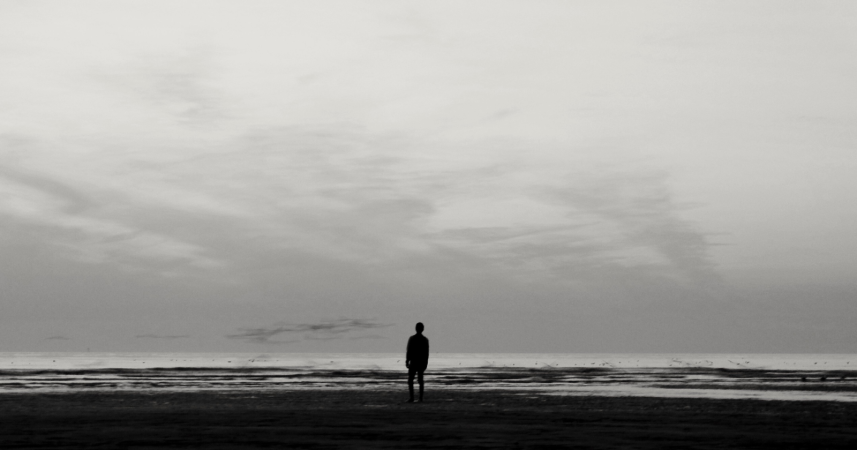
When solitude stops being a choice and becomes a prison you've decorated nicely.
I spent three years telling everyone I was an introvert. The label felt like armor—a sophisticated explanation for why I ate lunch at my desk, why I hadn't seen friends in months, why weekends passed in a blur of Netflix and delivery apps. Introversion was my identity. Until my therapist asked: "When did being alone stop feeling like a choice?"
The internet turned introversion into a personality brand, complete with memes about cancelled plans and wine-with-cats Friday nights. But somewhere between celebrating solitude and pathologizing social interaction, we created perfect camouflage for isolation. Real introversion is about energy management. Loneliness is about disconnection. One restores you; the other slowly erases you.
1. You've stopped distinguishing between draining and nourishing solitude
True introverts know the difference between restorative alone time and the kind that leaves you feeling hollow. If every evening blends into the same numbing routine—scroll, eat, sleep, repeat—that's not recharging. That's hiding.
Research distinguishes between positive solitude (chosen, purposeful) and negative withdrawal (avoidant, empty). Introverts seek the first; lonely people default to the second. When you can't remember the last time being alone felt genuinely good rather than just familiar, you're not honoring your introversion—you're feeding your isolation.
2. Your 'introvert battery' never actually recharges
The introvert metaphor goes: social interaction drains the battery, solitude charges it. But what if you're always at 20%, no matter how much alone time you get? What if weekends leave you more depleted than Mondays?
This persistent exhaustion isn't introversion—it's what psychologists call anhedonia, the inability to feel pleasure or restoration. Loneliness creates a specific kind of fatigue that sleep doesn't fix and solitude doesn't heal. You're not recharging because there's no energy left to store.
3. You've started viewing all social interactions as performances
Introverts may find socializing tiring, but they don't see every human interaction as a threat to navigate. If you're rehearsing conversations with the grocery clerk, dreading work meetings weeks in advance, or feeling like you're "acting" even with close friends, that's not introversion—it's social anxiety born from disconnection.
When loneliness becomes chronic, our brains start treating social situations as dangers, not just energy drains. You're not protecting your energy; you're protecting yourself from the vulnerability of being seen. There's a difference between needing downtime after a party and needing therapy after a conversation.
4. You mistake loneliness for personality traits
"I hate everyone" isn't introversion. Neither is "people are exhausting" or "I'd rather die than make small talk." These aren't personality traits—they're warning signs that your relationship with humanity has turned adversarial.
Introversion means preferring depth over breadth in relationships. But if you've written off human connection entirely, that's not a preference. Loneliness often masquerades as misanthropy, making us believe we've chosen isolation when really it's chosen us.
5. Your comfort zone has shrunk to the size of your apartment
Remember when you used to do things? Not big things—just things. Coffee shops, bookstores, walks that weren't strictly functional. Now your world has compressed to home-work-home, maybe the gym if you're feeling ambitious.
Introverts still engage with the world; they just do it selectively. But when selectivity becomes total withdrawal, when you can't remember the last time you went somewhere without a specific purpose, you're not being introverted—you're disappearing. Your comfort zone shouldn't feel like solitary confinement with WiFi.
6. You've stopped missing people (because it hurts too much)
The cruelest trick of chronic loneliness: eventually, you stop feeling lonely. Not because you've transcended the need for connection, but because you've numbed the part of you that craves it. Missing people becomes too painful, so you convince yourself you don't need them.
Attachment researchers call this "deactivation"—shutting down emotional needs rather than risk disappointment. Introverts still miss people; they just need them in smaller doses. If you've stopped missing anyone, you haven't evolved beyond human need—you've just learned to suppress it.
7. Your introvert identity has become your excuse architecture
"Sorry, I'm an introvert" has become your universal opt-out. Birthday parties, weddings, casual coffee—all declined under the banner of self-care. But protection becomes prison when every invitation feels like an assault on your carefully constructed isolation.
Introversion explains preferences; it doesn't excuse total withdrawal. If you're using it to justify never trying, never reaching out, never risking the messiness of human connection, you're not honoring your nature—you're building walls and calling them boundaries.
Final thoughts
When I finally admitted my "introversion" was actually loneliness, I learned something: the way out isn't through sudden extroversion. You don't become someone else. You just admit you're human, meaning you need other humans—even few, even sometimes.
Real introversion coexists with connection. Quality over quantity, depth over surface, intentional rather than constant—but still connection. The introvert who hasn't spoken to friends in months isn't thriving in solitude; they're drowning in it.
The hardest part isn't reaching out; it's admitting you need to. It's recognizing your "introvert lifestyle" might be slow disappearance. It's understanding that alone and lonely speak different languages, even using identical words.
If this feels familiar, you don't need transformation into an extrovert. Start small: one text, one coffee, one admission that your solitude has soured. The difference between introversion and isolation isn't how much interaction you want—it's whether you still believe you deserve any at all.
Sometimes the bravest thing an "introvert" can do is admit they're just a human who got lost somewhere between alone and lonely.