Your cart knows you're hurting before you do.
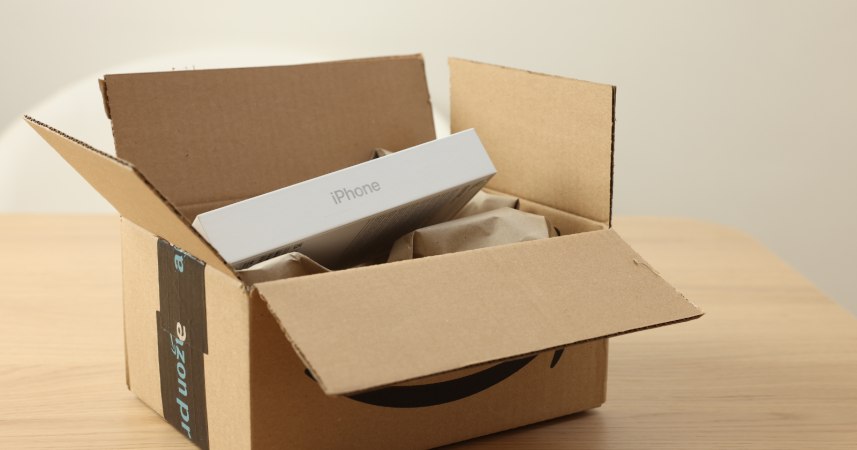
The packages arrive like clockwork. Brown boxes containing solutions to problems you haven't named. You tell yourself it's convenience. But Amazon's algorithm knows better. It's learned your patterns—late-night scrolling, abandoned carts completed at 2 AM. You're not shopping. You're self-soothing with same-day delivery.
We've all been there, credit card ready, convinced the right purchase will fix something deeper than money can reach. The marketplace became our therapist, pharmacy, and life coach in one Prime membership. What's fascinating isn't that we do this—humans always sought external fixes for internal problems. It's how specific our purchases have become, how precisely they map onto particular flavors of distress.
These aren't the obvious crisis purchases—the post-breakup makeover supplies or the midnight brownie mix orders. These are the subtle ones, the "rational" buys that seem completely reasonable until you notice the pattern.
1. The army of supplements and vitamins
Your medicine cabinet resembles a wellness influencer's fever dream. Ashwagandha for stress, magnesium for sleep, B12 for energy, probiotics for gut health. Each bottle promises to fix what's "off," though you can't articulate what that is.
The appeal is control through chemistry. Find the right combination, optimize the right systems, maybe feel like yourself again. Or someone better. The supplement industry thrives on hope and shame cycles. You're not depressed—you're vitamin D deficient. Not anxious—need more omega-3s. Each bottle tests a theory about what's wrong. The tell? Half-empty containers accumulating, abandoned when transformation doesn't arrive.
2. The productivity planner industrial complex
Bullet journals, time-blocking planners, goal-setting workbooks, habit trackers. Your desk drawer holds a graveyard of organizational systems, each used enthusiastically for three weeks.
These purchases reveal specific pain: feeling out of control while desperately wanting to be someone who has it together. Who meal preps Sundays, responds to emails immediately. Burnout research shows we try to optimize our way out of workplace exhaustion. But the pattern—buy, attempt, abandon, repeat—suggests the problem isn't your planning method. It's believing you're a project needing constant improvement rather than a person who's just tired.
3. The "journey to wellness" exercise equipment
Resistance bands still packaged. Yoga mat that's primarily decorative. Foam roller now an expensive cat toy. Each purchase would begin your "fitness journey"—a phrase less threatening than "attempting to outrun anxiety."
You're not buying equipment; you're buying potential. The possibility of becoming someone who does sunrise yoga, has a "morning routine." Exercise habit research reveals we buy identity before practice. Untouched gear monuments the gap between who you are and who you should be. Your body just wanted a walk, not a home gym.
4. The crafting supplies for hobbies you'll never start
Watercolor sets, knitting needles, adult coloring books, calligraphy pens. Your closet hosts a craft store's worth of creative potential, mostly pristine.
This pattern emerges when life feels colorless, when you seek something indefinable—meaning, beauty, proof you're more than your job. Creative activities reduce cortisol, but that's not why you bought them. You miss the person who made things, had time for hobbies, wasn't too exhausted to create. The supplies preserve possibility—that someday, you might feel creative again. They're promises to future you.
5. The skincare routine that requires a spreadsheet
Serums, acids, retinols, essences—your bathroom counter resembles an expensive chemistry set. You've got a twelve-step routine you follow twice.
Skincare as self-care became our acceptable way to admit we need tending. It's easier saying "I'm investing in my skin" than "I need to feel worth caring for." Elaborate routines promise transformation, control over aging, perception. But research on beauty rituals suggests they often mask needs for ritual and self-attention. You're not buying skincare; you're buying permission to spend thirty minutes being gentle with yourself.
6. The books about fixing your life
"Atomic Habits." "The Power of Now." "Daring Greatly." Your nightstand groans under self-help titles, most with bookmarks permanently stuck around page forty.
Each book purchase is an admission and a hope. Admission that something needs changing; hope that someone else has the answer. The self-help industry thrives on this gap between recognition and action. You buy the book when you're ready to admit there's a problem but not ready to do the work. They stack up, these good intentions, these tomorrow-you'll-start promises. The real healing might begin with admitting you already know what needs to change—you just hoped someone else could make it easier.
7. The organizational containers for chaos that's mostly internal
Drawer dividers, label makers, storage cubes, closet systems. Your space has never been more organized or felt less peaceful.
This is the most poignant pattern: organizing external space when internal space feels chaotic. Every container promises containment—of mess, life, feelings threatening to spill. But no Marie Kondo-ing can declutter emotional baggage. We think organizing space will organize minds, when the mess isn't in closets—it's in what organizing replaced.
Final thoughts
None of this is judgment. We all have brown-box band-aids, retail therapy disguised as self-improvement. The problem isn't shopping—it's that we've been taught to solve feelings like problems, to optimize our way out of being human.
These purchases aren't wrong or shameful. They're breadcrumbs to what we're really seeking. Supplements might mean you need rest. Planners might mean you need permission to do less. Exercise equipment might mean you need to move, just not Instagram's way.
Next time you're adding to cart at midnight, pause. Ask what you're really shopping for. Connection? Control? Permission to change? Permission to stay the same? The answer won't stop you clicking "buy now"—we all need coping mechanisms. But it might help recognize that what you seek probably can't be delivered, even with Prime.
The algorithm knows you're hurting. Question is whether you do, and what you'll do with that knowledge that doesn't involve overnight shipping. Sometimes the bravest purchase is nothing at all.