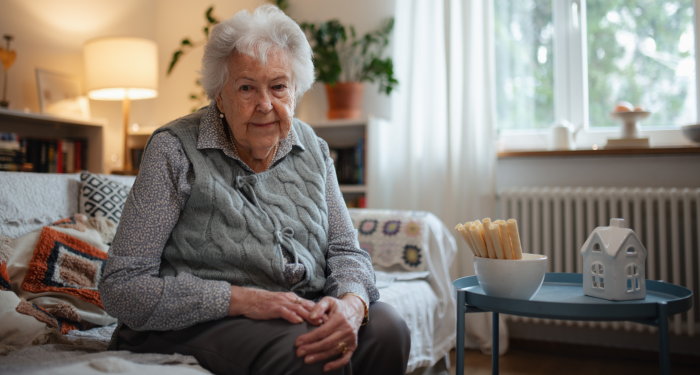
The silent anxieties of a generation that defined itself by independence.
They built their identities on self-reliance. Now in their sixties and seventies, boomers face a future that might demand the one thing they swore they'd never be: dependent. These fears live in the space between their cheerful "I'm fine" and the 3 AM ceiling stare. They won't mention these anxieties at dinner parties or even to their children, but they pulse beneath every conversation about retirement.
This generation that changed everything—work, family, culture—now confronts aging's non-negotiable terms. Their fears aren't just about getting older; they're about losing what defined them: their fierce independence. Each worry connects to a deeper terror of becoming exactly what they spent their lives avoiding.
1. Their kids will resent caring for them
They remember their own exhaustion during their parents' final years—the medical appointments, the repeated stories, the role reversal. Now they picture their children feeling that same trapped frustration, checking phones during visits, negotiating whose turn it is.
The fear cuts deeper than resentment; it's about becoming the source of their children's unhappiness. They've watched families fracture over caregiving, seen careers derailed by parents' needs. They'd rather vanish than become the weight that breaks their children's lives.
2. They'll outlive their money
The math haunts them: finite savings divided by unknown years. They saved, invested, planned—but healthcare costs and longevity keep shifting the equation. Twenty years? Thirty? What if insurance won't cover what they need?
This isn't about inheritances; it's about not becoming a financial drain on children juggling their own mortgages and tuition. They calculate how long they can afford independence, knowing one medical crisis could erase decades of planning.
3. Their minds will betray them
Every forgotten name triggers alarm. Every misplaced key feels ominous. They joke about "senior moments" while terrified that confusion will creep in, stealing their stories, their recognition, themselves.
The cruelest aspect of cognitive decline is seeing it coming. They've watched friends disappear into fog, becoming strangers to family. They fear not the forgetting itself, but that twilight awareness of losing themselves while powerless to stop it.
4. They'll become invisible
They already feel it—conversations flowing around them, their opinions earning polite dismissal. Technology races past. References fly over their heads. They're becoming artifacts in a world that worships youth.
This social invisibility cuts deeper than vanity. It's about relevance, mattering. They built careers, raised families, shaped communities. Now they fear becoming background noise, their wisdom deemed expired.
5. Their bodies will quit while their minds work fine
Sharp minds trapped in failing bodies—perhaps the cruelest fate. Watching independence erode with each physical limitation. Unable to drive, walk freely, handle simple tasks that define adulthood.
They imagine knowing exactly what to say but being unable to speak clearly, having insights no one seeks because they move too slowly. The physical dependency frightens them less than assumptions of mental decline that accompany it.
6. They'll end up in a facility
"Just put me in a home," they say lightly, but the thought terrifies. Fluorescent lighting, scheduled activities, strangers managing intimate needs. They've visited friends in facilities, seen vacant stares, smelled disinfectant masking despair.
Even nice places feel like erasure—entire lives reduced to single rooms, routines dictated by shift changes. They know quality varies, that good care exists, but can't shake becoming just another bed to check.
7. They'll lose dignity incrementally
It starts small—jar lids—then escalates to bathroom assistance, feeding help, basic hygiene. They fear the progression from independent adult to someone whose body becomes publicly managed by professionals who've seen everything.
Dignity seems non-negotiable until it becomes luxury. They dread the learned helplessness from constant assistance, accepting that privacy and autonomy were temporary privileges.
8. Their spouse will need care they can't give
Watching partners decline while being unable to help might be worse than personal deterioration. They promised "in sickness and in health" but didn't anticipate being too frail to deliver.
They fear becoming a caregiving couple where both need help neither can provide—two people who built everything together, now unable to support each other.
9. They'll become the difficult patient
They see themselves becoming that person—demanding, particular, complaining about pain that won't go away. The one nurses avoid, who family visits with forced cheer. They fear transforming from pleasant and capable to someone nobody wants to deal with.
Pain and frustration change people, and they know it. They've watched friends become bitter, angry at bodies that betray them, lashing out at those trying to help. They fear not recognizing themselves in the difficult person they might become when everything hurts and nothing helps.
10. No one will visit
The loneliest fear: becoming obligation, not desire. They imagine visits growing shorter, excuses more creative, grandchildren preferring anywhere else. They'll become duty, checkbox, problem.
They understand—life's busy, distance is real, everyone has responsibilities. But understanding doesn't soften waiting alone for people who once needed them. Being forgotten while alive might be the ultimate burden.
Final thoughts
These fears share DNA: the terror of losing agency in lives they've carefully controlled. Boomers—the generation that refused status quo, that demanded better and got it—now face what they can't protest or innovate around.
But here's what they might miss: their children see these fears. We recognize the brave face, the independence insistence, the subtle panic when help's needed. We're not waiting for them to become burdens; we're waiting to return a fraction of care they gave us. Their greatest fear—dependence—might be our opportunity to show love in its purest form.
The tragedy isn't potential need. It's being so afraid of needing that they miss chances to prepare together, to talk honestly about what's coming, to build support that preserves dignity while acknowledging reality. Their fierce independence, their greatest strength, risks becoming the very thing that makes fears real. The burden they imagine isn't caring for them—it's watching them struggle alone rather than letting us help.
If You Were a Healing Herb, Which Would You Be?
Each herb holds a unique kind of magic — soothing, awakening, grounding, or clarifying.
This 9-question quiz reveals the healing plant that mirrors your energy right now and what it says about your natural rhythm.
✨ Instant results. Deeply insightful.

Avery White
Formerly a financial analyst, Avery translates complex research into clear, informative narratives. Her evidence-based approach provides readers with reliable insights, presented with clarity and warmth. Outside of work, Avery enjoys trail running, gardening, and volunteering at local farmers’ markets.
More Articles by Avery