
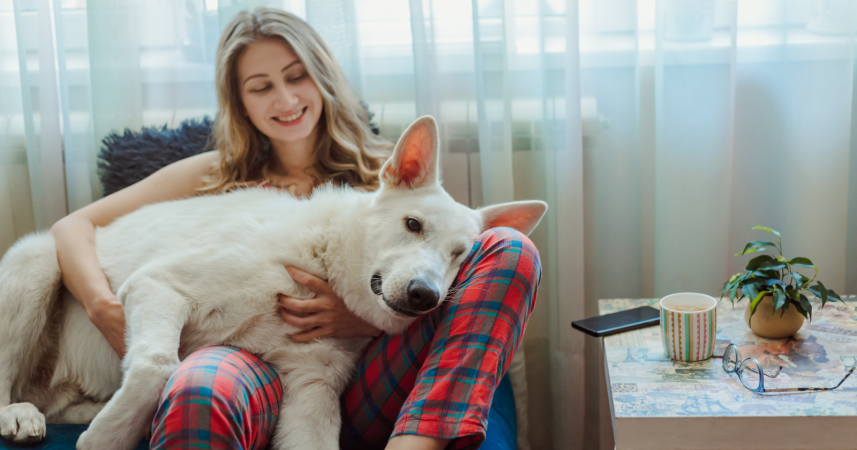
Bonds shift and relationships grow. Dogs, like humans, respond to presence far more than performance.

Add VegOut to your Google News feed. 
If you live with a dog, you’ve probably wondered this at least once.
Do they love me the most… or am I just the one who refills the food bowl?
I’ve asked myself this question plenty of times, usually while watching my dog walk past someone else in the house and flop down right at my feet.
It feels flattering, sure.
But it also made me curious.
Is this just a habit, or is there something deeper going on?
Turns out, animal behaviorists have a lot to say about how dogs choose their favorite human.
And it’s not always about who feeds them or who takes them on the longest walks.
Dogs form attachments in ways that are surprisingly nuanced.
They read tone, body language, emotional consistency, and how safe they feel around you.
In other words, they’re paying attention.
Here are some signs experts say point to one clear thing.
To your dog, you’re their person.
1) They follow you from room to room even when nothing exciting is happening
This one is easy to dismiss.
You might tell yourself they’re just bored. Or curious. Or hoping food will magically appear.
But behaviorists call this proximity-seeking, and it’s a classic sign of attachment.
Dogs tend to shadow the person they feel most bonded to, not because they need something, but because your presence itself is comforting.
I notice this most on slow days.
No treats involved. No leash in sight.
I’ll move from my desk to the kitchen, then to the garden, and there they are.
Not demanding attention. Just… there.
That’s the key detail.
A dog who follows you calmly, without anxiety or insistence, isn’t being needy.
They’re choosing closeness.
From a psychological standpoint, it’s similar to how children gravitate toward a secure attachment figure.
The person becomes a safe base.
Dogs do this too, just with fewer words and more tail wagging.
2) They check in with you first in unfamiliar situations
Have you ever noticed who your dog looks at when something unexpected happens?
A loud noise. A stranger at the door. A new environment.
If their eyes flick to you before anyone else, that’s not random.
Animal behaviorists refer to this as social referencing.
Dogs look to the person they trust most to gauge how they should respond.
If you seem calm, they’re more likely to relax.
If you tense up, they might follow suit.
I’ve seen this on trails during my runs.
When another dog appears out of nowhere, mine pauses and looks back at me before deciding what to do next.
That quick glance tells me everything.
It says, “Are we good?”
And more importantly, “I trust your read on this.”
That kind of trust doesn’t come from routine alone.
It comes from emotional reliability.
3) They relax more deeply around you than anyone else
This is one of the most underrated signs.
A dog who feels safest with you will show it through their body.
Loose posture. Exposed belly. Soft eyes.
Deep sighs that sound almost human.
Pay attention to where and how your dog sleeps.
If they consistently choose to nap near you, with their body fully relaxed, that’s not just convenience.
It’s vulnerability.
In the wild, rest is when animals are most at risk.
Choosing to fully unwind near you means they feel protected.
My dog sleeps differently depending on who’s around.
With others, it’s light dozing.
With me, it’s full-on, legs-in-the-air, snoring relaxation.
Behaviorists see this as a strong indicator of emotional safety, not just affection.
4) They bring you their favorite things without being prompted
Not every dog is a toy sharer.
So if yours brings you their favorite object, especially without being asked, that matters.
This behavior is often misunderstood as an invitation to play.
Sometimes it is.
But often, it’s about connection.
Dogs will offer prized items to the person they feel most bonded to as a form of social sharing.
Think of it like this.
In dog logic, this object matters.
And you matter.
So they go together.
I’ve had moments where a toy is gently placed next to me, no eye contact, no demand.
Just an offering.
Behaviorists interpret this as trust mixed with affection.
It’s not about possession.
It’s about inclusion.
5) They respond to your emotions more than your commands
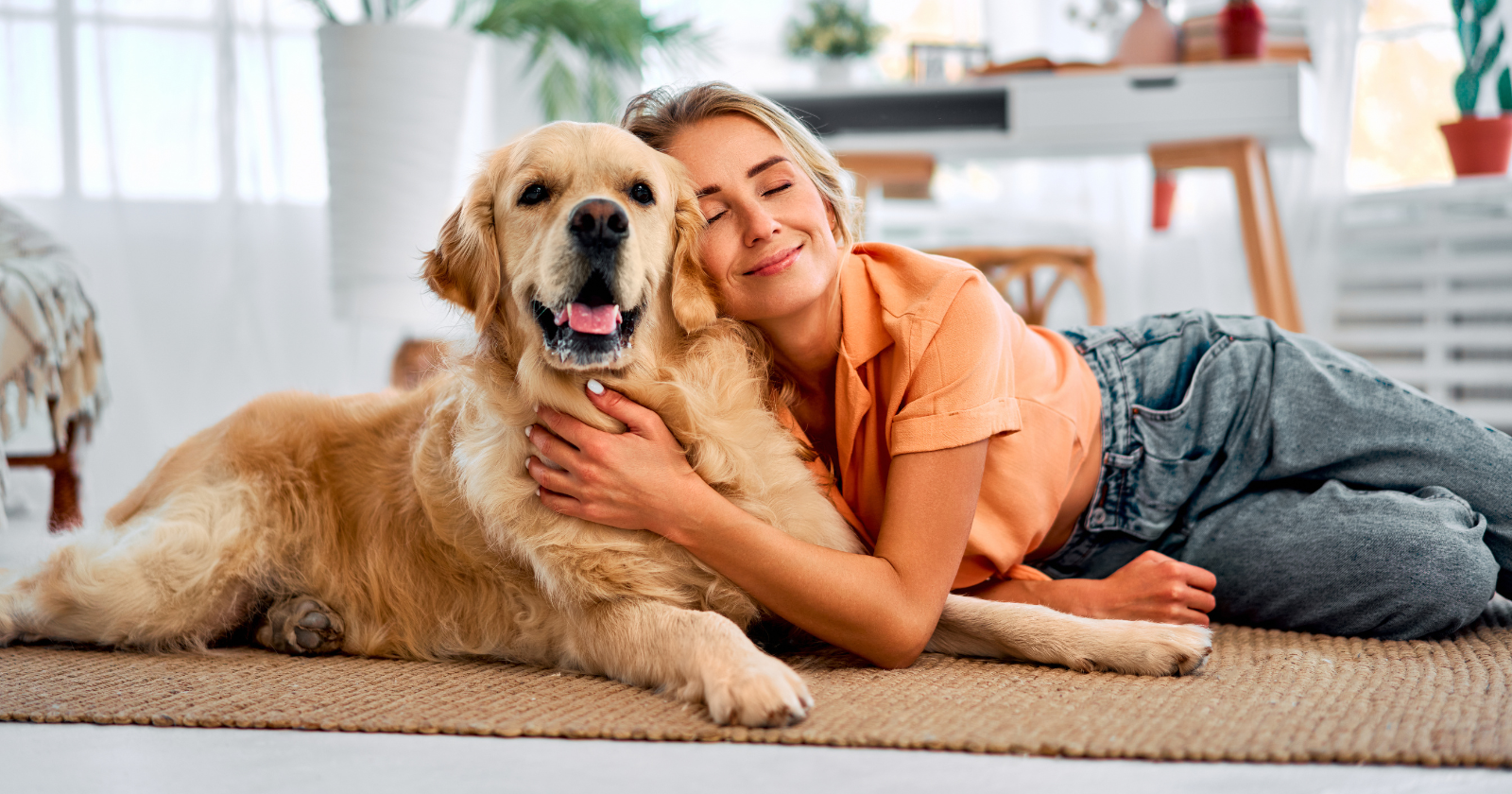 Here’s a subtle one.
Your dog might obey commands from multiple people.
Sit. Stay. Come.
That’s training.
But notice who they respond to emotionally.
If you’re upset, are they the first to come closer?
If you’re overwhelmed, do they settle near you without being called?
If you’re excited, do they mirror that energy?
Dogs are incredibly sensitive to emotional cues, especially from the person they’re most attached to.
Studies have shown that dogs can distinguish between human emotional states and will often prioritize responding to their primary attachment figure.
I’ve had days where I didn’t say a word, but my dog knew something was off.
No commands. No cues. Just quiet companionship.
That kind of attunement isn’t taught.
It’s built over time.
6) They choose you over higher rewards when given the option
This one surprises people.
Behaviorists often test attachment by offering dogs a choice.
A familiar person versus food.
Or a familiar person versus a toy.
Dogs with strong bonds will often choose their person, even when the alternative is objectively exciting.
At home, this shows up in small ways.
Your dog ignores a dropped snack to follow you.
Or leaves playtime to sit by you instead.
It’s not that they don’t like the reward.
It’s that connection outweighs it.
From a behavioral standpoint, that’s a clear sign of preference, not dependency.
7) They listen to you even when you’re not being authoritative
Tone matters more than volume.
If your dog responds to your soft voice, your casual cues, or even your silence, that’s meaningful.
It means they’re tuned in to you, not just reacting to training signals.
I rarely raise my voice with my dog.
And I’ve noticed that they respond best to the smallest shifts in tone or posture from me compared to anyone else.
Behaviorists note that dogs often reserve their highest level of attentiveness for the person they feel emotionally closest to.
It’s less about obedience and more about mutual understanding.
8) They seek you out for comfort, not just fun
Play is easy.
Comfort is vulnerable.
If your dog comes to you when they’re scared, tired, or overwhelmed, that’s a strong indicator of attachment.
It means they associate you with regulation and reassurance.
Thunderstorms. Fireworks. Changes in routine. These moments reveal a lot.
Dogs will gravitate toward the person who helps their nervous system settle.
The one who doesn’t overreact, dismiss, or escalate their stress.
I’ve noticed my dog bypasses others during stressful moments and leans on me instead.
No drama. Just contact.
That kind of behavior speaks volumes.
9) They show subtle jealousy when you give attention elsewhere
This doesn’t mean aggression or acting out.
It looks more like hovering.
Gentle nudges.
Placing themselves between you and someone else.
Watching closely.
Behaviorists see mild jealousy as a sign of social bonding.
Dogs are social animals, and they form hierarchies of connection.
If you’re their primary person, they’re more attuned to shifts in your attention.
The key here is subtlety. Calm presence. Not anxiety.
When a dog feels secure, jealousy looks like interest, not distress.
Final thoughts
Being your dog’s favorite person isn’t about perfection.
It’s about consistency.
Emotional availability.
How you respond when things go wrong, not just when things are easy.
Dogs don’t care about productivity or status.
They care about how safe they feel around you.
How predictable your energy is.
How often you meet them where they are.
If you recognized yourself in a few of these signs, chances are, you’re doing more right than you think.
And if you didn’t? That doesn’t mean you’re failing.
Bonds shift. Relationships grow.
Dogs, like humans, respond to presence more than performance.
Sometimes, being their favorite person starts with something simple.
Slowing down. Paying attention. Sitting on the floor with them for no reason at all.
They notice.
If You Were a Healing Herb, Which Would You Be?
Each herb holds a unique kind of magic — soothing, awakening, grounding, or clarifying.
This 9-question quiz reveals the healing plant that mirrors your energy right now and what it says about your natural rhythm.
✨ Instant results. Deeply insightful.

Avery White
Formerly a financial analyst, Avery translates complex research into clear, informative narratives. Her evidence-based approach provides readers with reliable insights, presented with clarity and warmth. Outside of work, Avery enjoys trail running, gardening, and volunteering at local farmers’ markets.
More Articles by Avery










