
These foods might seem simple, but they carried emotional weight far bigger than their cost. If anything, they taught us how to appreciate what we have, how to savor small moments, and how to make the ordinary feel meaningful.
Growing up without much money teaches you to find joy in places other people might overlook.
Food is one of those places. When resources are tight, even the simplest meals can feel like a celebration, and those memories tend to stick with you long after life changes.
I have thought a lot about this over the years, especially as someone who now writes about everyday psychology. It is wild how certain foods still carry the emotional weight of childhood.
They remind you of what you had, what you did not have, and how creativity can be born out of necessity. So today, I want to revisit a few of those foods that somehow felt like a feast, even when there was barely anything in the pantry.
Let’s get into it.
1) Canned corn
If you grew up without much money, you probably remember how a simple can of corn could turn dinner into something that felt special. It was sweet, warm, and felt like a treat disguised as a vegetable.
I still remember watching that bright pile hit the plate and feeling like the meal instantly leveled up.
Part of the magic was the contrast. Most budget meals were savory and plain, so anything sweet tasted luxurious. Corn was one of the cheapest ways to add comfort to a plate, and that made it a miniature celebration every time it appeared.
And even now, as someone who eats plant based by choice, I still catch myself smiling when I open a can. Some foods just hold their emotional value forever.
2) Pancakes for dinner
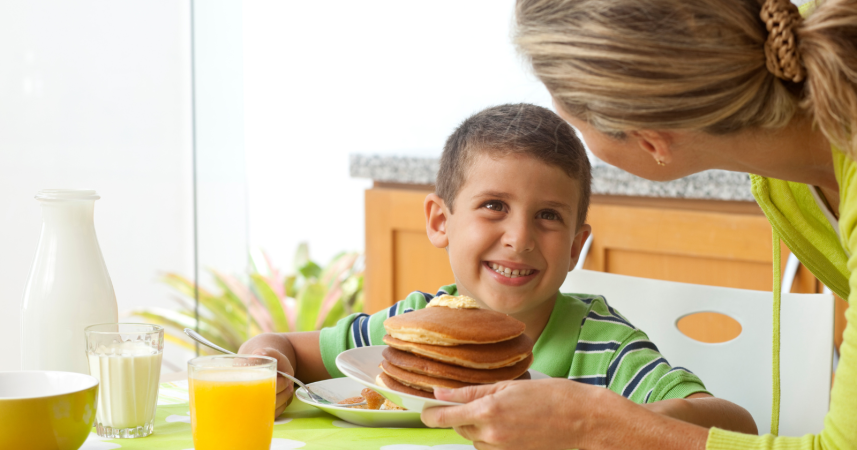
There was something about having breakfast at night that made the whole house feel different. Maybe it was the break in routine or maybe it was the fact that pancakes cost almost nothing to make. Whatever it was, it always felt like a moment of joy during tight financial weeks.
I remember the smell filling the house and everyone gathering a little quicker than usual.
There was no pretending pancakes were fancy, but they felt like a feast because they were warm, comforting, and made from ingredients we usually already had. It was abundance in disguise.
Years later, I read that novelty boosts our perception of pleasure. It made sense. Pancakes for dinner were special not because of what they were but because they flipped the script.
3) Instant ramen
Instant ramen was survival food, but it also felt like your own personal restaurant order.
I remember tossing in leftover veggies, soy sauce, or whatever scraps were around to make it feel like something beyond the packet. When you are young, this kind of customization feels powerful.
If you grew up poor, ramen was more than noodles. It was a blank canvas. It made you feel creative, in control, and oddly proud of what you could turn one dollar into. I have mentioned this before in another post, but creativity thrives in constraint.
Even now, I sometimes veganize a bowl out of nostalgia. It reminds me of how resourcefulness becomes a lifelong skill.
4) Bread with margarine and sugar
This one might sound strange if you did not grow up this way, but this was dessert for a lot of families with limited budgets.
A piece of bread, a smear of margarine, and a shake of sugar created one of the cheapest sweet treats imaginable. It felt almost like a pastry when you were a kid.
I remember sitting at the table thinking it tasted way better than it had any right to. It was soft, sweet, and warm. And when you grow up poor, sweetness itself feels like luxury. You do not forget that.
It is funny how simple foods can create such lasting emotional memories. This one reminds me how little you actually need to feel cared for.
5) Boxed macaroni and cheese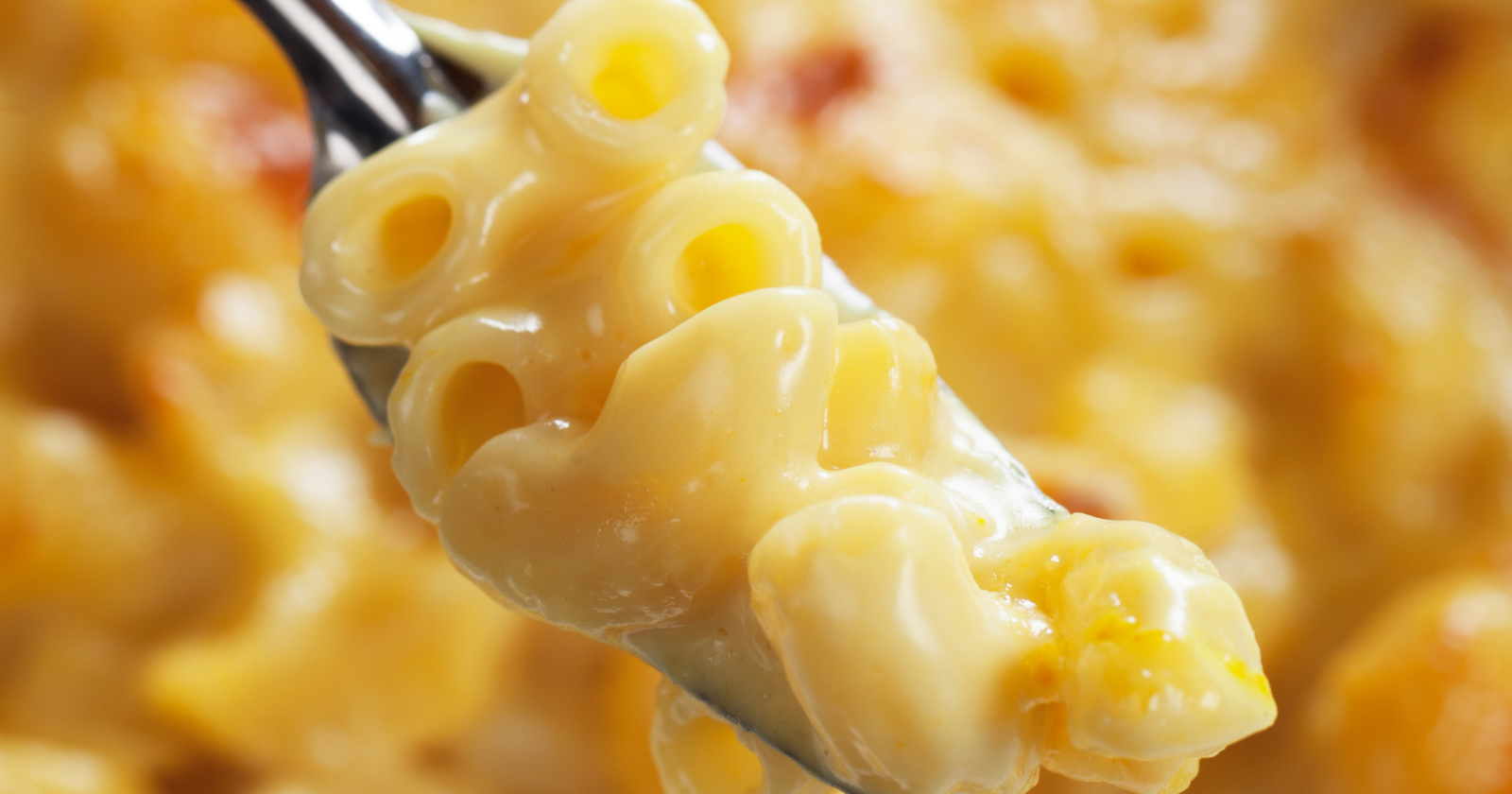
Boxed mac was one of those meals that made the whole house smell like comfort. It stretched far, cost little, and felt like a full celebration when it hit the table. Even the bright color felt exciting. It made the meal look richer than it really was.
Some families added tuna, some added hot dogs, some added nothing at all. But no matter the variation, it always felt like something special.
Food psychology researchers often talk about anticipation being half the pleasure, and mac and cheese is a perfect example. You could taste it before you even sat down.
I do not eat dairy now, but every vegan mac I make still brings up the same warmth.
6) Hot dogs on white bread
Hot dog buns were a luxury in many low income households. White bread was the everyday alternative, and somehow it made the whole thing feel more homemade and comforting. The bread would tear, the mustard would soak in, and it felt messy in all the right ways.
I remember eating these at little family gatherings or on nights when money was tight but spirits were high. It felt like a feast not because of the ingredients but because of the moment.
There is a powerful connection between celebration and improvisation when you grow up without much.
Those memories taught me that the meaning of a meal comes from context, not cost.
7) Rice with butter and salt
This dish showed up all the time in my childhood, and it always felt filling, warm, and reliable. Rice was cheap, and butter added just enough flavor to trick your brain into thinking the meal was richer than it was. It was the closest thing many families had to comfort food.
There is something grounding about a simple warm bowl of carbs when life feels chaotic.
As an adult, I have seen this pattern in many cultures I have visited. People turn basic staples into emotional anchors. It reminds me that comfort is often based on repetition, not ingredients.
There were nights when this was all we had, and yet it never felt like nothing. It felt like care.
Final thoughts
When you grow up poor, you learn that joy is rarely tied to price tags. It is tied to creativity, rituals, and tiny comforts that help you get through hard moments. These foods might seem simple, but they carried emotional weight far bigger than their cost.
If anything, they taught us how to appreciate what we have, how to savor small moments, and how to make the ordinary feel meaningful. And honestly, that is a skill a lot of people spend their whole adulthood trying to relearn.












