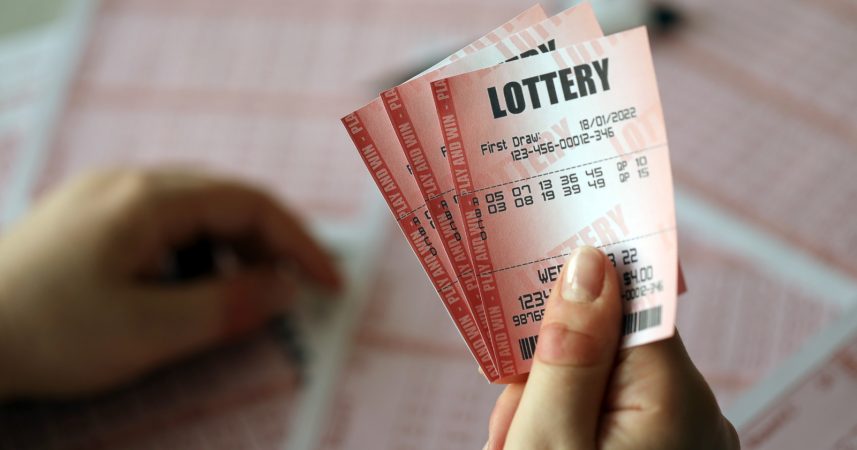
Some habits reveal everything about how your brain processes hope, risk, and control—lottery tickets are one of them.
Last Tuesday, I stood behind a woman at the gas station who spent twelve minutes picking lottery numbers.
Twelve minutes.
She had a system involving birthdays, lucky numbers, and what she called "gut feelings about the universe."
As someone who used to analyze investment portfolios for a living, I watched this ritual with fascination—not judgment, but genuine curiosity about what drives someone to invest so much hope (and cash) in odds worse than getting struck by lightning.
That encounter got me thinking about the psychology behind lottery ticket buying. After diving into some research and reflecting on patterns I've observed, I've identified seven traits that seem to cluster around people who can't walk past a scratch-off display without stopping.
Understanding these traits isn't about shaming anyone—it's about recognizing how our minds work and maybe catching ourselves when we're chasing the wrong kind of hope.
1. They struggle with delayed gratification
The woman at the gas station wanted her numbers now. Not tomorrow's drawing, not next week's—right now.
This immediate need for possibility reflects something deeper: difficulty tolerating the gap between wanting something and having it.
Lottery tickets offer instant emotional gratification even when the payout is delayed.
The moment you buy that ticket, you get to feel like a potential winner. Your brain doesn't distinguish much between "I could win" and "I might win"—both trigger a small dopamine hit.
People who habitually buy lottery tickets often display this same impatience in other areas. They might struggle to save money for long-term goals, prefer quick fixes over sustainable solutions, or feel restless when progress toward their dreams feels too slow.
2. They lean heavily into magical thinking
Regular lottery players often exhibit what psychologists call magical thinking—the belief that unrelated events influence each other or that thoughts can directly affect reality.
This shows up as "lucky" numbers, rituals before buying tickets, or conviction that they're "due" for a win after several losses.
I once knew a colleague who bought lottery tickets every Friday because she'd won twenty dollars on a Friday three years earlier. She genuinely believed Fridays were her "lucky day," despite losing hundreds of dollars on subsequent Fridays.
This isn't stupidity—it's a normal human tendency to seek patterns and control in uncertain situations. But when magical thinking becomes the primary lens for important decisions, it can derail more practical approaches to achieving goals.
3. They feel powerless in other life areas
Lottery tickets become appealing when people feel stuck. The more powerless someone feels in their career, relationships, or financial situation, the more attractive a "magical escape" becomes.
I've noticed this pattern in my own life during periods when I felt trapped in situations I couldn't immediately change.
The lottery represents pure possibility—a way to bypass all the usual requirements for improving your life like skill-building, networking, or gradual progress.
This powerlessness often stems from focusing on outcomes you can't control rather than actions you can take.
When your energy goes toward hoping for external rescue rather than identifying small steps forward, lottery tickets start looking like reasonable investments.
4. They struggle with probability and risk assessment
Most frequent lottery players have trouble accurately assessing risk and probability.
They might intellectually know the odds are terrible, but they don't feel those odds in their gut.
This shows up in other areas too. They might overestimate the likelihood of worst-case scenarios while underestimating the probability that consistent small actions will compound into meaningful results.
They'll worry obsessively about rare dangers while ignoring common ones, or avoid reasonable risks while embracing terrible bets.
It's like having a broken risk meter—it registers threats and opportunities at completely wrong volumes.
5. They crave external validation and rescue
Lottery ticket addiction often signals someone who's looking outside themselves for validation or rescue.
The fantasy isn't just about money—it's about finally being "chosen," having the universe smile on them, proving their worth through pure luck.
This external focus creates a habit of looking everywhere except inward for solutions. Instead of asking "What can I control here?" they ask "What might save me?"
Instead of building confidence through small wins, they wait for one big validation.
I see this in people who constantly seek advice but never take action, who blame circumstances for everything, or who daydream about being "discovered" rather than developing their skills.
6. They have an unstable relationship with money
Most habitual lottery players display inconsistent money behaviors.
They might be extremely frugal about groceries while dropping twenty dollars on scratch-offs, or stress about small expenses while making impulsive large purchases.
This isn't about income level—I've seen wealthy people with this same pattern. It's about viewing money as something that happens to you rather than something you actively manage.
They often lack clear financial systems or goals, which makes lottery tickets feel like a reasonable "investment" because there's no competing framework for evaluating financial decisions.
7. They prefer fantasizing to planning
The most telling trait: habitual lottery buyers often invest more energy in detailed winner fantasies than in actual life planning.
They can tell you exactly what they'd do with fifty million dollars but have no plan for improving their situation with their current resources.
This fantasy preference creates a loop where real progress feels boring compared to imagined windfalls.
Why work on communication skills when you could dream about hiring someone to handle all your problems?
Why develop a career plan when you might not need one after Saturday's drawing?
The fantasy becomes more compelling than reality, which makes reality feel increasingly inadequate.
Final words
Recognizing these traits isn't about judging lottery players—most of us exhibit some version of these patterns in different areas of our lives.
Maybe you don't buy lottery tickets, but you might chase get-rich-quick schemes, wait for the "perfect" moment to start something important, or avoid taking ownership of areas where you actually have control.
The real question isn't whether you buy lottery tickets. It's whether you're investing your hope and energy in the right places. Are you building the kind of life that doesn't need rescuing, or are you waiting for rescue to make life worth building?
Sometimes the most rebellious thing you can do is bet on yourself instead of the odds.
What’s Your Plant-Powered Archetype?
Ever wonder what your everyday habits say about your deeper purpose—and how they ripple out to impact the planet?
This 90-second quiz reveals the plant-powered role you’re here to play, and the tiny shift that makes it even more powerful.
12 fun questions. Instant results. Surprisingly accurate.