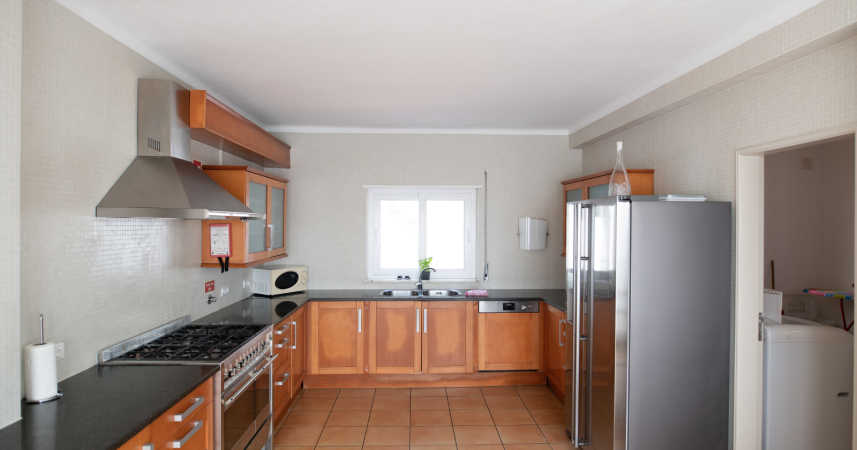
What once looked refined can quietly start to feel like clutter—especially when it lingers in your home long after the trend has passed.
Home trends are funny. Something can look sleek and aspirational one decade, and then twenty years later, it quietly shifts into the category of “outdated.”
Yet many people still cling to old design ideas because they associate them with status or refinement. Psychology even explains this—humans have a natural bias toward familiarity. We tend to idealize the styles we grew up around, even if they no longer reflect modern tastes.
The trouble is, what once signaled sophistication can now drag down the energy of a space. Instead of timeless, these features feel like they’re stuck in a time capsule.
If you want your home to feel fresh, stylish, and welcoming, it helps to know which trends to finally retire. Here are seven home trends that once seemed classy but don’t carry that reputation anymore.
1. Heavy drapes with tassels
For decades, grand window treatments were considered the height of sophistication. Thick velvet, dramatic swags, and dangling tassels made living rooms look like mini ballrooms.
But times have changed, and now those heavy drapes tend to make a space feel darker, smaller, and weighed down.
Design psychology tells us that light influences mood, and natural light especially can lift energy levels and create a sense of openness.
When your windows are buried under layers of fabric, you’re literally blocking out the light that could make your home feel brighter and more alive.
I remember visiting a friend’s new house years ago. She was thrilled about the “formal” curtains left by the previous owners, but within weeks she admitted the room felt gloomy and hard to relax in.
Once she swapped them for light, airy panels, the entire space transformed—it felt fresher, more welcoming, and surprisingly more modern.
If your goal is elegance today, simplicity wins. Think sheers, natural linens, or clean-lined blinds that let the sunshine pour in while still giving privacy.
2. Wall-to-wall carpeting
There was a time when wall-to-wall carpeting was the ultimate luxury. It felt plush underfoot and covered every square inch of a room.
Today, though, that same look often feels impractical, especially when it comes to maintaining cleanliness and air quality.
Carpeting holds onto dust, allergens, and odors in a way that’s tough to manage, even with regular cleaning.
Hardwood, tile, and luxury vinyl alternatives don’t just look cleaner—they actually support healthier environments, especially for people with allergies or asthma.
From a psychological perspective, spaces that feel clean and uncluttered often reduce stress and support relaxation.
Carpet does still have its place, especially in bedrooms where comfort matters. But layered area rugs give you that same softness while adding visual texture and flexibility. You can swap them out as your style changes without a full flooring overhaul.
Wall-to-wall carpet might feel nostalgic, but if you want your home to look current and feel breathable, lighter flooring with rugs is the way forward.
3. Ornate bathroom fixtures
At some point, extravagant bathroom fixtures—think swan-shaped gold faucets or heavily carved vanities—were a status symbol. They suggested luxury, travel, and a sense of being worldly.
Today, they usually suggest that your bathroom hasn’t been updated since the 1980s.
Bathrooms are meant to be calming spaces where you can recharge. Overly ornate fixtures often compete for attention and make it harder to feel at ease.
Minimalist design, on the other hand, has been shown to reduce visual stress and create a sense of flow.
I once stayed in a guest house where the bathroom had cherub-handled faucets and marble-effect tiles with gold veins. It was overwhelming. I felt like I was in a museum instead of a place to take a shower.
Compare that to modern bathrooms with streamlined fixtures—there’s a sense of calm that lets you focus on unwinding.
If you want elegance in a bathroom, look for timeless finishes: brushed nickel, matte black, or simple marble accents. The restraint feels more luxurious now than the flashiness ever did.
4. Matching furniture sets
Do you remember when the “furniture showroom look” was the dream? Entire living room or bedroom sets bought in one go—sofa, chairs, tables, lamps—all perfectly coordinated.
While that once seemed polished, today it reads as overly staged and lacking in personality.
When everything is too perfectly matched, it feels impersonal—like you’re living in someone else’s catalog rather than your own home. Blending different pieces adds depth, tells a story, and actually makes a space feel more authentic.
When I bought my first home, I made the classic mistake of ordering a matching bedroom set because it seemed practical. Within months, I realized how flat the room felt.
Slowly, I started swapping in unique nightstands and a vintage chair I found at a market. The room came alive because it finally reflected me, not just a store’s idea of style.
Mixing and matching doesn’t mean chaos—it means choosing pieces that complement each other without being identical. That layered look is what gives modern homes warmth and interest.
5. Faux finishes on walls
In the 1990s and early 2000s, faux finishes were everywhere. Sponge painting, rag rolling, or faux marble techniques promised texture and sophistication.
But now, those finishes look more like relics of DIY shows from two decades ago.
One reason they’ve fallen out of favor is that they rarely age well. What once looked artistic tends to read as busy or sloppy over time.
Smooth, neutral walls create a more versatile backdrop and allow your furniture, art, and personality to stand out.
If you still crave texture, there are more modern approaches—limewash paints, textured wallpapers, or natural materials like wood paneling that feel organic instead of gimmicky. These approaches create depth without locking you into a trend that dates itself.
The goal today isn’t to mimic something artificial but to highlight what feels real and enduring. That’s what makes a space feel timeless.
6. Overstuffed leather recliners
Oversized recliners used to scream luxury and comfort. They were marketed as thrones of relaxation, often with cup holders and built-in gadgets. But now, they look bulky and dominate rooms in a way that feels more clunky than classy.
Oversized pieces often make rooms feel smaller and more cramped, even if they’re technically comfortable. A recliner that swallows half your living room changes the entire perception of the space.
Today’s emphasis on light, ergonomic furniture reflects a shift toward balance: comfort without sacrificing flow.
One client I worked with mentioned how her father’s old recliner became the focal point of every room it was in, no matter what else she tried.
When she finally replaced it with a sleek armchair and ottoman, the room opened up. She still had comfort but without the visual weight dragging the space down.
Modern comfort is about proportion. A chair can be deeply comfortable without looking like it belongs in a man cave from 1995.
7. Granite countertops with heavy speckling
For years, granite countertops were the gold standard of kitchens. They were seen as the ultimate upgrade, proof that you had made it.
But heavily speckled granite, in particular, has lost its shine. Instead of looking sleek, it often makes kitchens feel visually busy and dated.
Lighter, more consistent surfaces like quartz or soapstone create a cleaner backdrop and allow other elements—like cabinetry or lighting—to stand out.
When I remodeled my own kitchen years ago, I debated keeping the old granite counters. They were “good quality,” but every time I looked at them, I felt a sense of clutter even when the counters were empty.
Once we switched to a simpler quartz, the whole kitchen felt brighter and more inviting.
Granite isn’t inherently bad, but the busier versions belong firmly in the past. Today’s kitchens lean toward simplicity, and that shift makes them feel timeless rather than tied to one era.
Conclusion
Trends aren’t just about aesthetics—they reflect shifts in how we want to live.
Heavy, ornate, and overly coordinated designs once signaled status, but now they often create stress and visual clutter.
Homes today are leaning into lighter, simpler, and more personal choices, ones that make us feel calm and connected instead of overwhelmed.
Updating doesn’t have to mean expensive overhauls. Small changes, like swapping a drape or mixing up your furniture, can shift how your entire space feels.
In the end, what makes a home beautiful isn’t whether it follows the latest trend, but whether it feels good to live in every day.