Department
Living
 Think Deeper
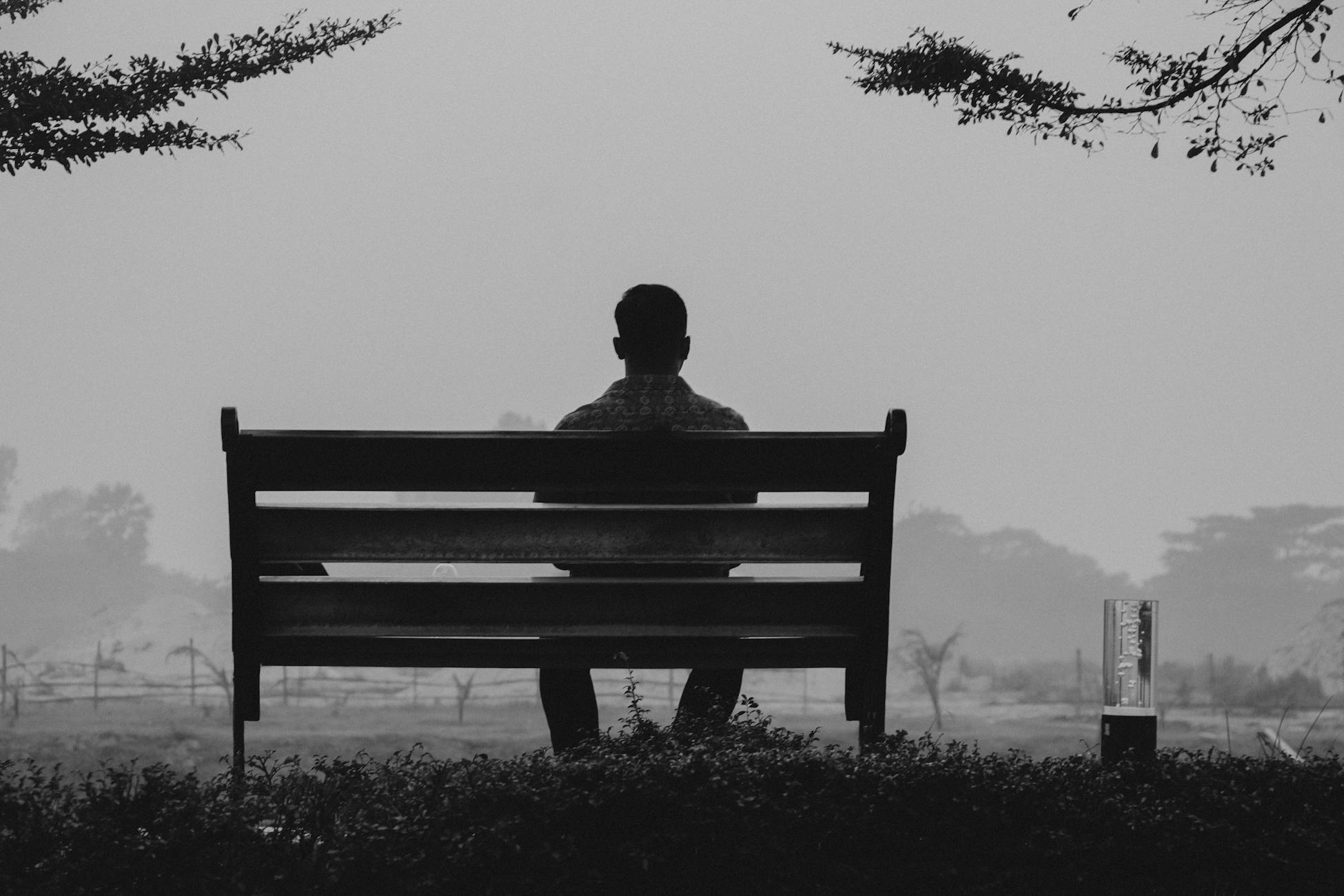
The people who age with the most grace and perspective may not be the ones who found new purpose or stayed relentlessly active — they may be the ones who quietly stopped fighting a set of battles many people spend their entire adult lives waging, and the peace on their face may not be acceptance or resignation — it may be the specific relief of finally putting down weapons they rarely needed to carry
Psychology says the people who grow older with the most peace aren’t always the ones who “found themselves” - they’re often the…
 Think Deeper
The generation that defined itself through career achievement is now discovering that the hardest skill in retirement may not be staying busy — it's learning to sit in a room with yourself and deciding that person is enough without a business card to prove it
The generation that built its entire identity around professional achievement is now facing the one challenge no performance review prepared them for:…
 Think Deeper
People who prefer texting may not be avoiding the person — they may be avoiding the version of themselves that panics mid-sentence and says something they didn't mean
Text-first people, I've come to believe, aren't avoiding the person on the other end of the line. They're trying to avoid becoming…
 Think Deeper
The generation accused of not working hard may not be actually lazy — they watched their parents grind for decades and arrive at retirement exhausted, financially fragile, and emotionally unrecognizable, and they quietly decided the experiment had already been run
They didn't reject the blueprint — they read the results.
 Think Deeper
Couples without children who stay together long-term may develop a specific relational skill that most parents rarely need to build — they learn to sustain love without a shared project holding it in place
Psychology suggests their bond isn’t anchored by routine roles or responsibilities - it’s sustained by continuous choice, attention, and emotional renewal.
 Think Deeper
The most genuine form of minimalism usually arrives in the second half of life — and it rarely looks like the version social media celebrates. It's a quieter, harder practice of letting go of outdated identities, relationships, and expectations that many people spend their whole lives defending
While decluttering your closet might feel satisfying, the real minimalism that emerges after decades of living involves the terrifying and liberating process…
 Think Deeper
Adults who struggle to sit in a quiet room without immediately reaching for their phone or turning on the television may not be addicted to stimulation — many of them are avoiding a confrontation with their own thoughts that feels genuinely dangerous, because at some point stillness became the place where the worst feelings lived, and they have been outrunning that silence ever since with whatever noise is closest
When you realize that your inability to sit still for even five minutes isn't about needing entertainment but about running from thoughts…
 Think Deeper
Children Told They Were 'Too Sensitive' Didn't Become Less Sensitive as Adults — They Just Got Better at Hiding It, and the Hiding Became More Exhausting Than the Feeling Ever Was
The sensitive child didn't toughen up — they just learned to perform numbness so convincingly that everyone, including themselves, believed the act.
 Think Deeper
One of the strongest predictors of well-being after 65 may not be exercise, diet, or wealth — it may be whether at least one person has access to the version of you that exists when you're not being strong for anyone
The longevity conversation obsesses over what you put in your body and how you move it, but the research keeps pointing somewhere…
 Think Deeper
People who stay chronically busy may not be more ambitious — they may be running from a version of themselves they haven't been willing to sit with yet
For many people, constant busyness isn’t discipline or drive - it’s a socially acceptable way to avoid silence, stillness, and the unresolved…
 Think Deeper
The life lesson many people learn too late isn't about career or money — it's that the person you become while chasing success matters infinitely more than whether you actually catch it
Most of us spend decades climbing toward success only to reach the top and realize we trained ourselves into becoming someone we…
 Think Deeper
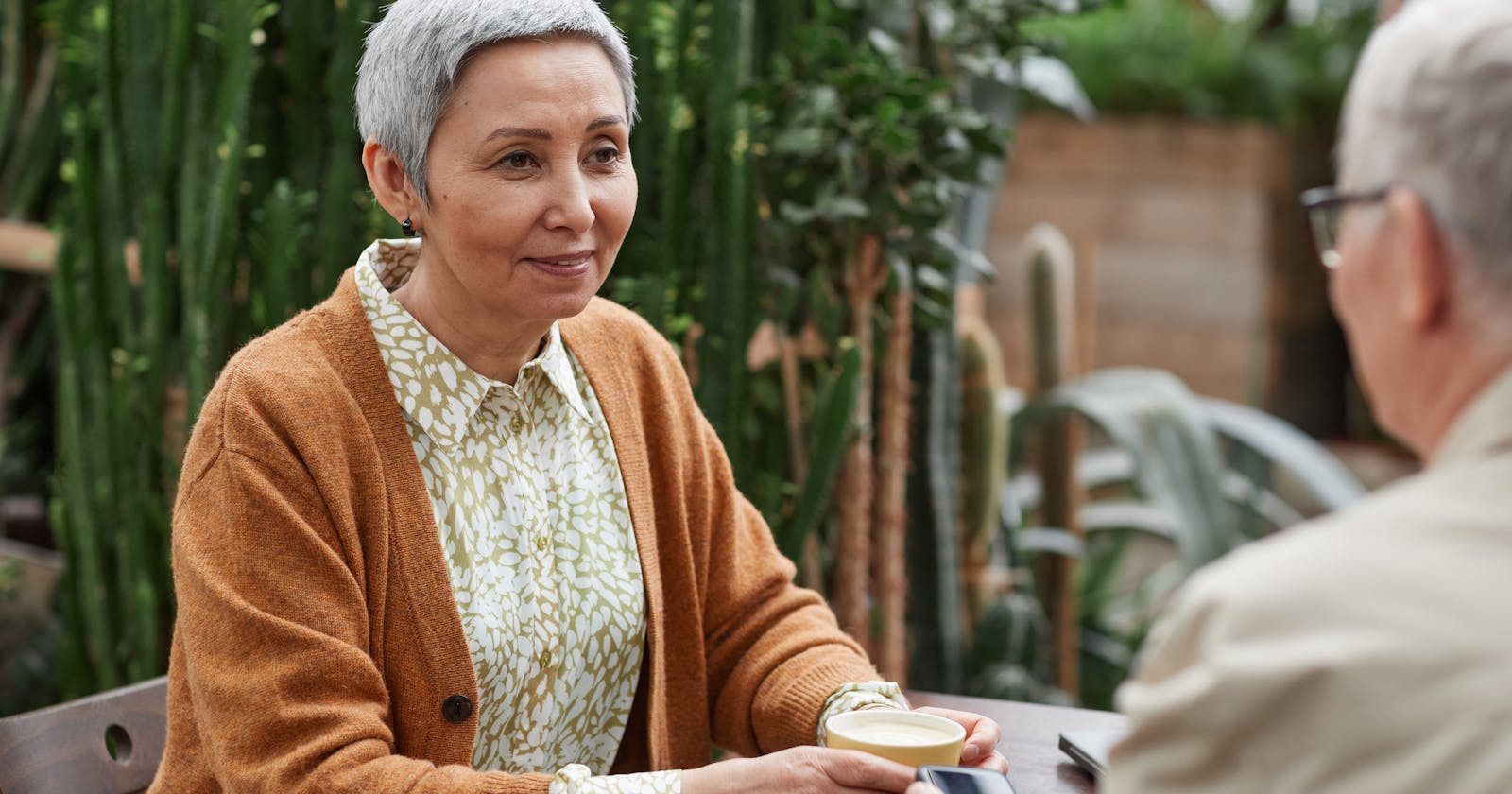
The reason some people become more generous as they age while others become more controlling has almost nothing to do with what they lost — it has to do with whether they saw loss as something that diminished them or something that opened them
As we age, two people can face identical losses—a spouse, their health, their careers—yet one becomes softer and more giving while the…
 Think Deeper
The reason some people become gentler as they age while others become bitter has almost nothing to do with what happened to them — it has to do with whether they interpreted their suffering as something done to them or something that moved through them
Two people can survive the same devastation and walk away carrying entirely different versions of themselves — and the divergence has almost…
 Think Deeper
Twelve years of optimized mornings, tracked habits, and discipline books — and the thing that finally brought happiness was stopping all of it and asking one simple question
After years of perfecting my 5:30 AM routine and tracking every habit imaginable, I discovered something shocking during a gratitude journaling session:…
 Think Deeper
People who feel most at peace alone may not be lonely — they have simply found the one environment in which the editing stops, and anyone who has been editing themselves for an audience since childhood experiences solitude not as emptiness but as the first honest breath of the day
For those who've spent a lifetime shapeshifting to meet others' expectations, solitude isn't emptiness—it's the exhilarating moment when the exhausting performance finally…
 Think Deeper
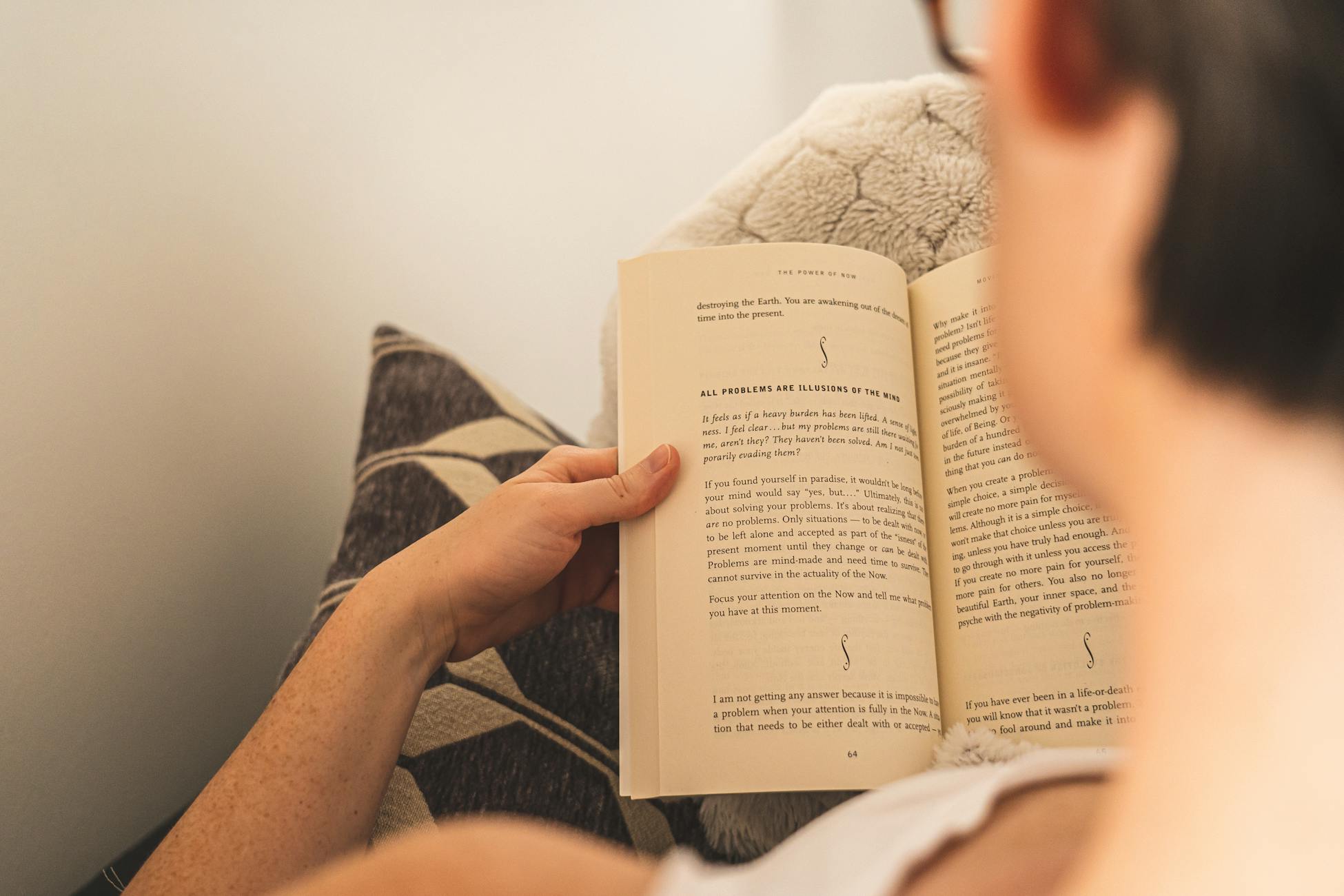
Neuroscience reveals that people who re-read the same books and rewatch the same films may not be stuck in the past — their brains are using familiarity to regulate a nervous system that the modern world overstimulates daily
The book you've read four times isn't a crutch — it's a neurological anchor your overstimulated brain is begging you to use.
 Think Deeper
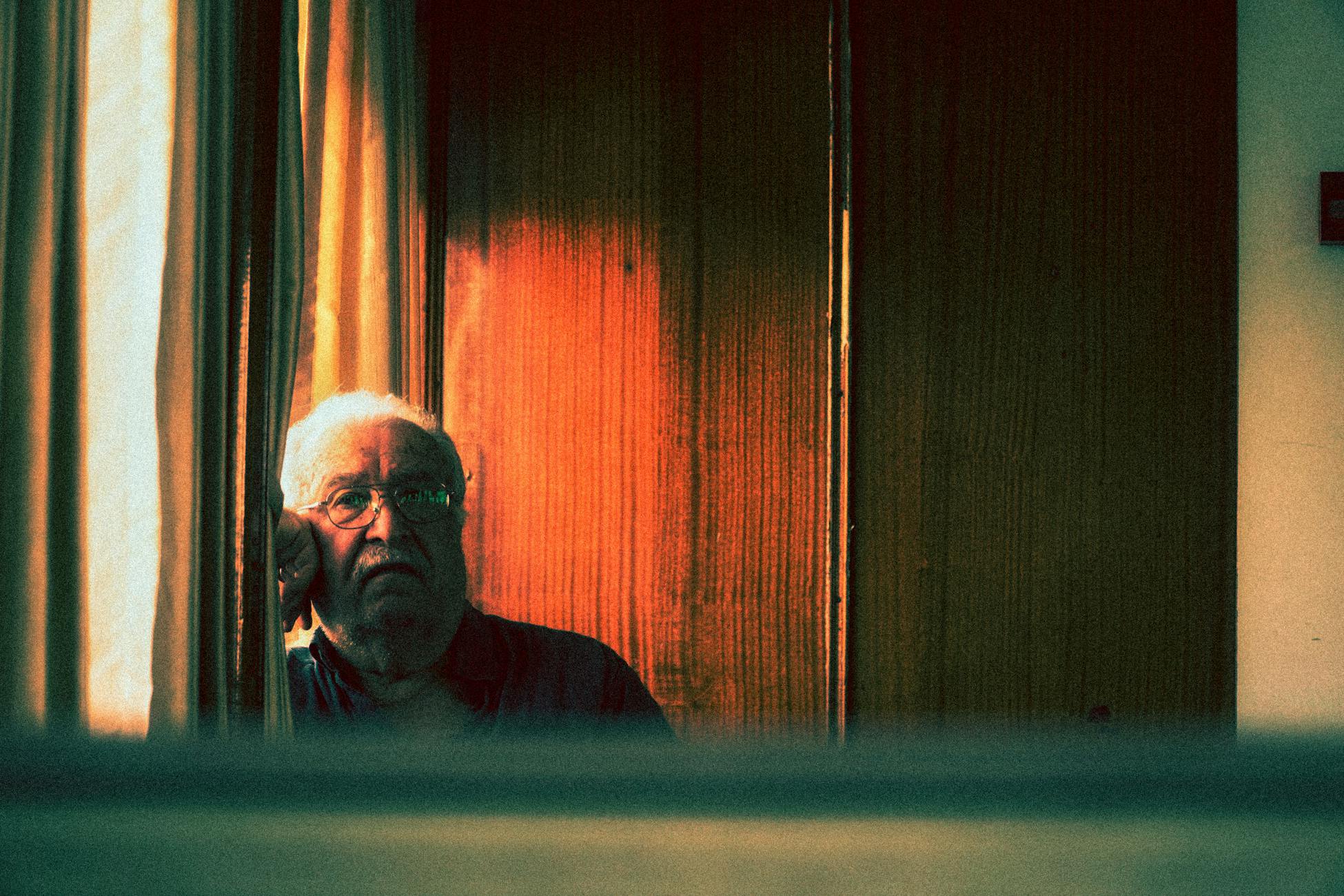
The reason some people become kinder as they age while others become bitter has almost nothing to do with circumstance
The people who soften with age and the people who harden share the same world — the difference is whether they built…
 Think Deeper
Inner peace may not be a destination — it may be the moment a person stops arguing with reality and lets the present be what it is
Psychology suggests inner peace doesn’t come from fixing everything around you - it begins when you stop resisting what’s already here. The…
 Think Deeper
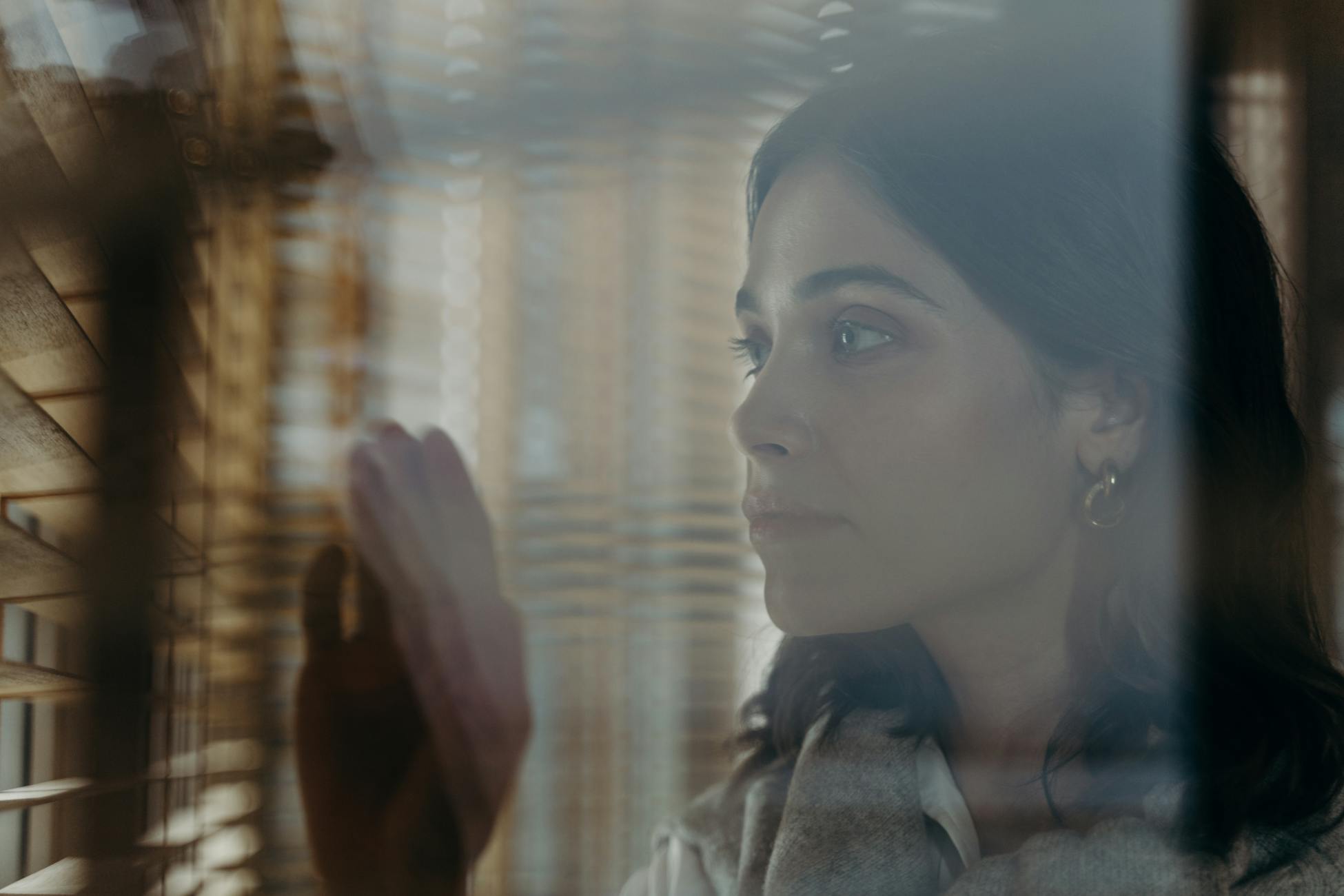
The persistent feeling of not belonging in your own home may not be about the house, the city, or the people in it. It can be the first honest signal that the self built for public use has become the main self accessible, even in private.
The restlessness you feel at your own kitchen table has nothing to do with the kitchen, and everything to do with the…
 Think Deeper
At 37, the Thing That Finally Brought Happiness Wasn't a Promotion, a Relationship, or Moving Countries — It Was Learning to Sit Still Long Enough to Stop Running from a Self That Was Never Really the Problem
If you're the person who's tried everything - the travel, the career moves, the relationships, the books, the apps, the routines -…
Page 9 of 15