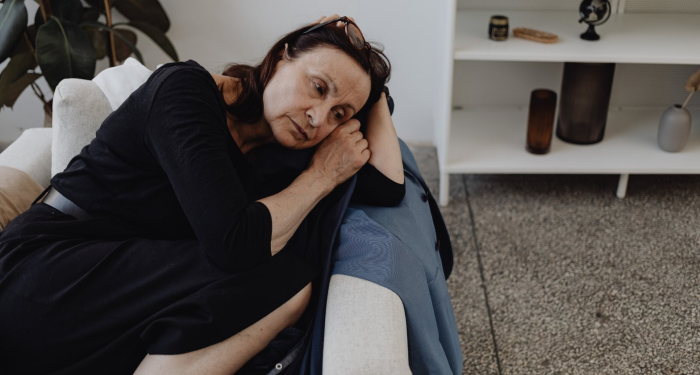
These nine calming habits might explain why some people feel grounded—even when everything around them is falling apart.
Some people have this steady, grounded presence — like human calm in the middle of a storm.
While the rest of us are spinning in traffic, doomscrolling bad news, and juggling ten mental tabs, they’re sipping tea like nothing’s burning. It’s not that they’re detached or naïve. It’s that they’ve developed inner tools to stay centered—even when the outer world is anything but.
So what exactly do these people do differently? What habits or mindsets help them stay peaceful while everything around them is messy?
Let’s walk through 9 traits you’ll almost always find in people who stay calm under pressure—and how you can start to build them into your own life.
1. They name what they can’t control—and release it
Instead of trying to “fix” everything or everyone, calm people are quick to sort what’s within their reach and what’s not.
They don’t waste hours mentally rewriting someone else’s reaction or playing out every worst-case scenario. They ask: What’s actually mine to manage right now?
This simple habit—naming what’s outside your control—doesn’t solve the problem. But it cuts the noise in half.
Try this:
Make a two-column list during stressful moments: “My responsibility” vs. “Out of my hands.” You’ll be surprised how much emotional weight you can set down just by sorting.
2. They take micro-pauses before reacting
People who stay grounded rarely react immediately—even when provoked. That doesn’t mean they’re passive. It means they’ve built in a split-second pause before choosing how to respond.
This pause acts like a circuit breaker. It prevents emotion from running the whole show and creates just enough space to make a conscious move.
Try this:
Next time you feel triggered—by a snarky comment, a sudden change, or even an internal worry—pause. Breathe once. Name the emotion. Then decide what to say or do.
3. They protect their peace like a resource
Calm people don’t see peace as a lucky mood. They treat it like something they maintain.
That means setting boundaries, saying no, and opting out of energy-draining conversations—even if they feel pressure to be “nice” or “available.”
Try this:
Ask yourself once a day: What’s pulling on my energy that doesn’t need to?
Maybe it’s a group chat, a task you can delegate, or a podcast that leaves you anxious. Edit accordingly.
4. They check their inputs on purpose
What we absorb affects how we feel. People who stay steady during chaos are mindful about what they allow into their mental space—especially during rough seasons.
This doesn’t mean they ignore reality. But they balance their exposure. They take in the news, yes—but not all day. They scroll, but not past the point of overwhelm.
Try this:
Audit your inputs. For 48 hours, jot down everything you consume: headlines, voices, shows, social media. Then ask: How do these make me feel afterward? Keep what steadies you. Mute what stirs you up.
5. They stay rooted in daily grounding habits
Peaceful people often rely on small, anchoring routines—things like a morning walk, journaling, evening tidying, or quiet moments with tea.
These habits don’t “fix” anything outside. But they provide consistency and structure inside.
Especially during chaos, routines become signals of safety. They remind your nervous system: Some things are still stable.
Try this:
Pick one simple habit that calms you and make it non-negotiable for the next 7 days. Even five minutes of something steady can have an outsized effect.
6. They don’t confuse detachment with calm
This one’s important: the people who fake peace are the ones who go numb, brush things off, or act like they don’t care.
The ones who truly embody calm? They still care. They still feel. They’re just not run by every emotional wave that hits them.
Real calm allows room for emotion. It’s not a shutdown—it’s a container.
Try this:
Notice when you’re tempted to say “It’s fine” or “Whatever.” Ask yourself: Am I calm—or am I checked out? That small difference changes how you process stress long term.
7. They focus on what they can create in the moment
Even when the world feels upside-down, grounded people shift their focus to small acts of agency. They cook something. They text a friend. They tidy a corner of their room. They move their body.
It’s not denial—it’s creation. It reminds them they’re not helpless.
Try this:
Each time you feel overwhelmed, pick one tiny thing you can make—order in the fridge, a journal entry, a 10-minute stretch. Action restores power. Peace often follows.
8. They ask better questions in stressful moments
Instead of jumping straight to Why is this happening to me? or What’s wrong with me?, peaceful people slow down and ask:
-
What do I need in this moment?
-
Is this mine to fix or just mine to feel?
-
Can this wait until I’ve rested?
Their questions create space. And space creates calm.
Try this:
Build your own list of go-to grounding questions. Keep them in your phone notes or write them on a sticky note near your bed. Let them re-route your mind when stress hits.
9. They practice calm when it’s easy, not just when it’s hard
This might be the most important trait: peaceful people don’t wait until they’re falling apart to build calm. They practice when the stakes are low — so the habit is there when the stakes are high.
They journal on the good days. They meditate when nothing’s wrong. They breathe deeply even when they’re not panicked. That’s how calm becomes a default—not just a response.
Try this:
Start building your “peace muscle” in neutral moments. Take slow breaths while cooking. Sit in silence before a meeting. Turn off your phone for 15 minutes just because. Let peace be a lifestyle, not a rescue mission.
Final words
Being calm doesn’t mean being unaffected. It means staying connected to yourself while the world pulls in ten directions.
The seven traits above aren’t traits you’re either born with or not. They’re skills. They’re learnable, repeatable, and completely human.
Start with one. Build it slowly. You don’t need to become a Zen master overnight. You just need to create tiny pockets of peace—and protect them like they matter.
Because they do.
If You Were a Healing Herb, Which Would You Be?
Each herb holds a unique kind of magic — soothing, awakening, grounding, or clarifying.
This 9-question quiz reveals the healing plant that mirrors your energy right now and what it says about your natural rhythm.
✨ Instant results. Deeply insightful.