If you remember waiting for leftovers to heat in the oven, you’ll recognize these 10 kitchen rituals from life before the microwave era.

Add VegOut to your Google News feed. 
Before microwaves, dinner wasn’t something you nuked and ate in five minutes. It was an event.
The kitchen was the heart of the home, filled with sounds, smells, and small rituals that took time, patience, and love.
If you grew up before microwaves became the norm, you’ll probably recognize a few of these.
And if you didn’t, maybe this will remind you why slowing down in the kitchen can still be its own kind of magic.
Let’s dive in.
1) Waiting for water to boil patiently
Remember when making a cup of tea or cooking pasta meant actually waiting for water to boil?
There was no “instant” button. Just a kettle on the stove and the familiar whistle that signaled it was finally ready.
People often underestimate how much mindfulness existed in that moment. You couldn’t rush it.
And maybe that’s part of why those pre-microwave generations had such a deep respect for food, because they respected the time it took to prepare it.
Even now, I find boiling water therapeutic. It’s like a forced pause in an otherwise hyper-speed world.
2) Reheating leftovers in a pan
Before microwaves, there was the humble pan. If you wanted to warm up last night’s stew or pasta, you’d put it back on the stove, stir occasionally, and maybe add a splash of water or broth to bring it back to life.
It wasn’t just about convenience; it was about texture and flavor.
Microwaves make things soggy or rubbery. A pan brought them back crispy, aromatic, and somehow even better than before.
I learned this trick from my grandmother. She never trusted the idea of instant heat.
She said, “If you don’t reheat it with love, it won’t taste the same.” She wasn’t wrong.
3) Defrosting by planning ahead
Frozen meat or bread? You didn’t pop it in the microwave to defrost. You moved it from the freezer to the fridge the night before or left it on the counter for a few hours.
There was a rhythm to it, a kind of kitchen foresight that made you think ahead. You had to plan dinner in advance, not at 6:55 p.m. when hunger struck.
This wasn’t just about food, it was a mindset. It taught patience and preparation.
You didn’t wing it. You thought ahead, you thawed, and you respected the process.
4) Using the oven for everything
Need to melt cheese, reheat a slice of pizza, or warm up leftovers? Into the oven it went.
And yes, it took longer, but the results were incredible.
That crispy pizza crust or bubbling cheese on top of lasagna wasn’t something a microwave could ever replicate.
People often gathered around waiting for that little ding from the oven timer. It was anticipation at its finest. Food wasn’t rushed. It was revived.
5) Stirring constantly because nothing cooked itself
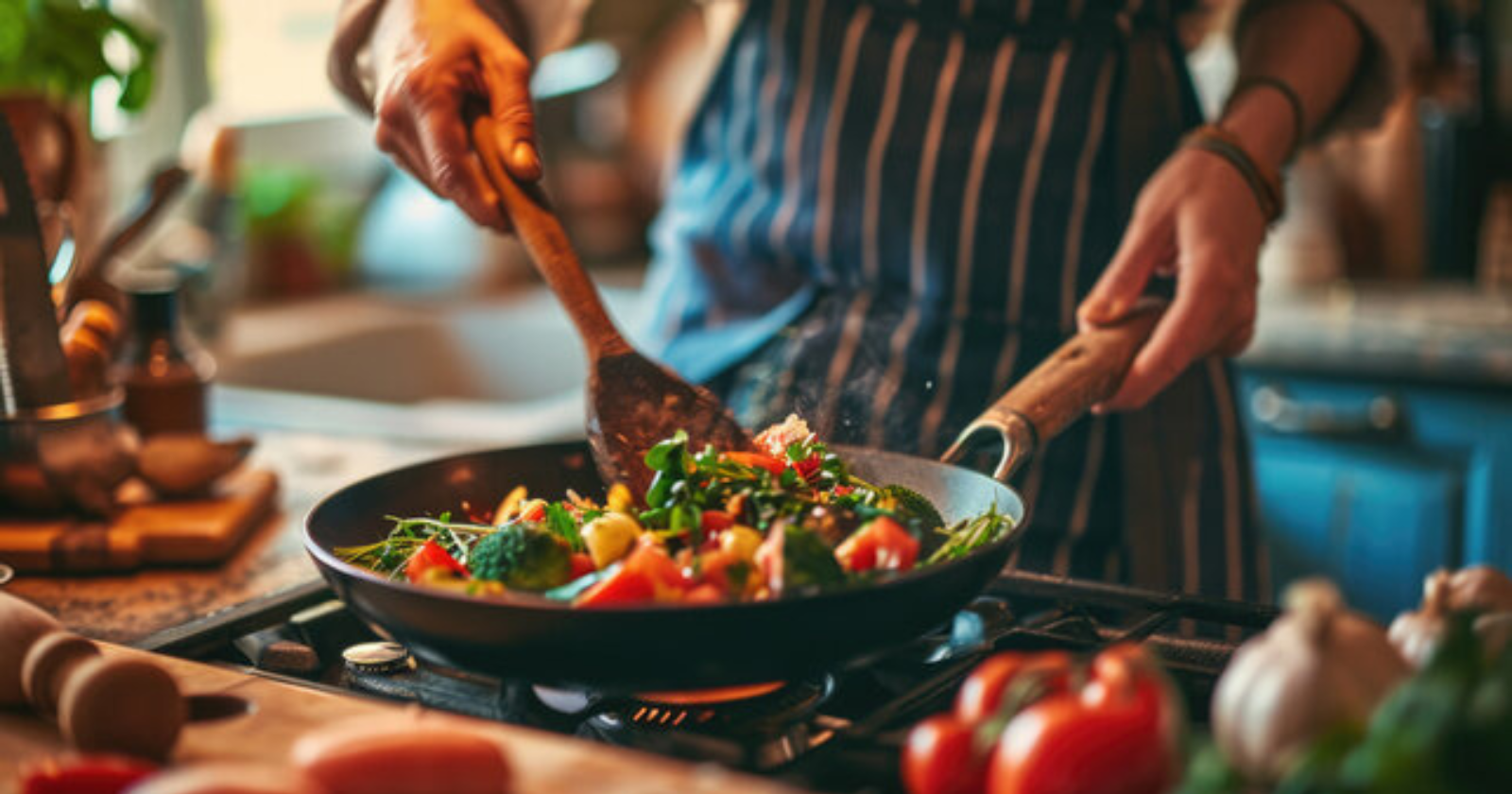
Before automation, before air fryers, before microwaves, there was the spoon. And stirring wasn’t just a step. It was a ritual.
You stood over the pot, watching, smelling, tasting, adjusting. Cooking demanded presence. If you left it unattended, it burned. Simple as that.
I think this act of constant attention did something powerful. It kept people grounded.
It turned cooking into meditation long before mindfulness became a buzzword.
6) Warming milk on the stove
Hot cocoa wasn’t a powdered mix you zapped for 30 seconds. It was milk gently warmed on the stove with cocoa and sugar stirred in until smooth.
You watched for the tiny bubbles forming at the edge of the pan, careful not to let it boil over.
That smell, the mix of cocoa and milk, was the scent of comfort on a winter evening.
Even now, when I warm milk on the stove, it feels like time slows down. It’s such a simple thing, but it connects you instantly to something older, something slower, and somehow, something more human.
7) Baking as a family event
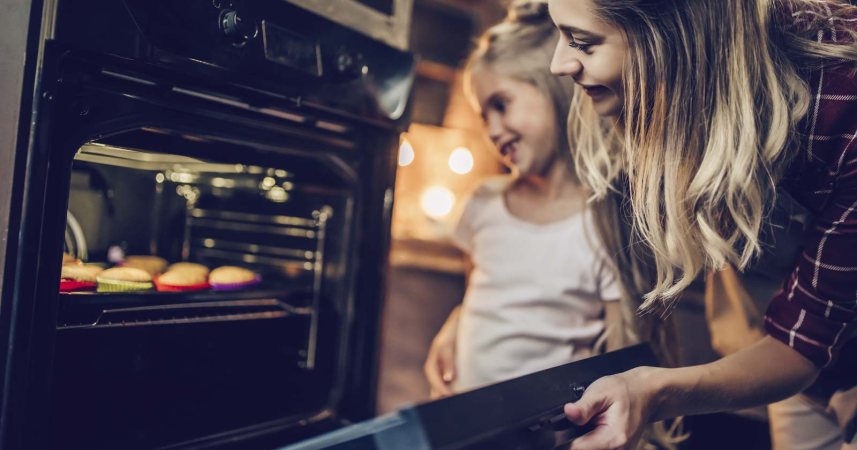
Baking wasn’t just a weekend activity, it was an experience. Families gathered around to measure, mix, taste batter, and watch through the oven window as cookies rose.
And since there was no quick way to do it, you savored every part of the process. The smell of butter and sugar in the oven wasn’t background noise, it was the soundtrack of the house.
You also learned patience again. You couldn’t just zap dough into cookies.
You had to wait, check, and hope you didn’t overbake. And when you finally pulled them out, golden brown and warm, it felt earned.
8) Saving bacon grease and other secret ingredients
One of my favorite memories from older kitchens is the jar of bacon grease sitting near the stove. You didn’t waste flavor, you saved it.
That jar was liquid gold. It flavored vegetables, fried eggs, and seasoned cast-iron pans. Today, people might cringe at the idea, but back then, it was sustainability before sustainability was cool.
Every part of cooking had value. Nothing was disposable. That’s something I think we’ve lost in the age of single-use everything.
9) Timing meals by instinct
Microwave timers trained us to think in numbers, two minutes here, thirty seconds there. Before that, cooking was guided by the senses.
People judged readiness by smell, texture, and sound, the sizzle in the pan or the aroma filling the kitchen. It wasn’t exact, but it was intuitive.
And somehow, it almost always worked.
There’s something to be said for that kind of intuition. When you’re constantly told what to do by machines, you stop trusting your own judgment.
Cooking without timers brought you back into your body. It made you feel capable.
10) Gathering around the stove
And finally, there was the simple act of gathering. Before screens and fast food, families would linger in the kitchen, chatting while something simmered.
The kitchen was where stories were told, advice was shared, and kids learned life skills without realizing it.
You’d lean against the counter, dip a spoon into the pot, and pass it around for everyone to taste.
Food wasn’t just fuel, it was connection. It was warmth, presence, and conversation. Maybe that’s the ritual worth bringing back most of all.
The bottom line
Microwaves gave us convenience, but at a cost. We traded patience for speed, flavor for efficiency, and togetherness for isolation.
But the good news is that we can always reclaim these rituals. Even in a modern kitchen, you can choose to slow down. Boil water the old way.
Reheat your leftovers on the stove. Stir, taste, and trust your senses.
Cooking like our grandparents isn’t about nostalgia. It’s about presence. It’s about remembering that good things take time, and that the process is as nourishing as the meal itself.
Next time you’re tempted to hit “Start” on that microwave, maybe pause for a second.
Pull out a pan instead. You might just rediscover what made those old kitchen rituals feel so special.